Category: Winter Ascents

  • Sawtooth Mountaineering by Frank Florence

    Sawtooth Mountaineering by Frank Florence

    Editor’s Note: Sawtooth Mountaineering was Boise’s first climbing shop. It was founded by Lou and Frank Florence. The shop was an important link between many of Idaho’s premier climbers and the development of Idaho’s technical climbing scene. Bob Boyles (quoted on Page 23 of the book) noted the shop’s importance as a hub for local climbers, stating “The thirty or so most dedicated climbers in the Boise Valley often hung out at Sawtooth Mountaineering to share stories . . ..” This group of climbers, centered on the shop, are credited with some of the most challenging first ascents in Idaho. In this article, Frank recounts his and the shop’s history.


    I grew up on Long Island (New York), hardly a mountainous setting. My early camping and hiking trips were in the Appalachian and Adirondack Mountains and I was introduced to mountaineering in 1970 as a student in NOLS. I stayed on with NOLS, eventually working as a course instructor in Wyoming and Washington State.
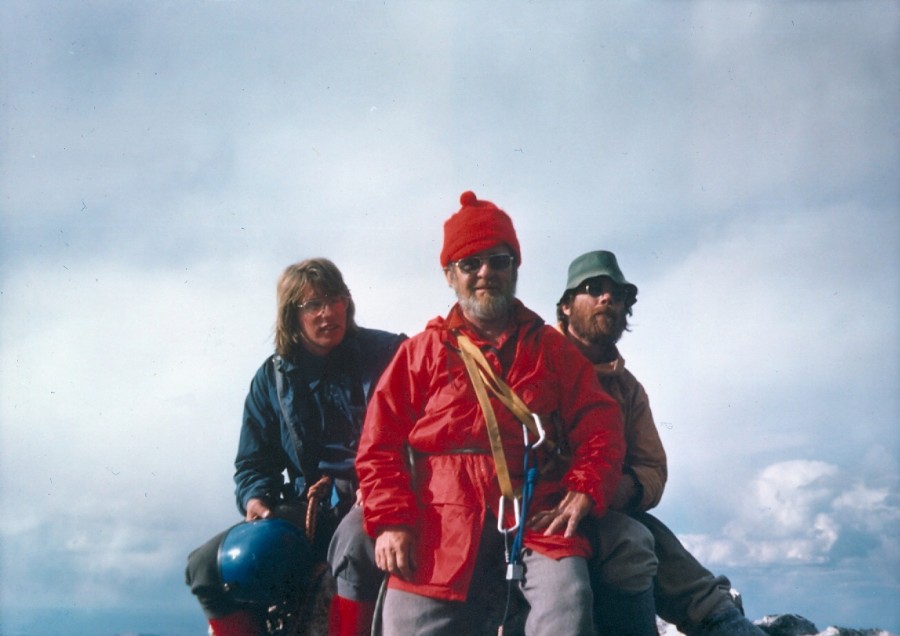
    Bob Boyles, Lou and Frank Florence on the summit of the Grand Teton (photo by Mike Weber).
    Bob Boyles and Lou and Frank Florence on the summit of Grand Teton. Mike Weber Photo

    In 1972, I joined my father, Lou Florence, in bringing a small outdoor recreation equipment store to Boise. Our business (Sawtooth Mountaineering) promoted climbing, hiking, and cross-country skiing across Southern Idaho, from Slick Rock to the Lost River Range.  We offered introductory climbing classes and fostered enthusiasm for climbing by hosting a speaker series with some of the leading climbers and alpinists of the day, including Royal Robbins, Henry Barber, Doug Scott, Bill March, and Sawtooth pioneer Louis Stur.


    British Mountaineer Doug Scott lectured twice at our shop. The first time was in 1975. Scott came to Boise to give a talk about his recent ascent of the Southwest Face of Everest. He wanted to get in some climbing while in town and a posse quickly assembled. We went out to the Black Cliffs for what turned out to be a toasty day. Scott asked what had been done and what hadn’t and then led through a couple of each.

    Scott came through Boise again in 1977 to give a slide show at the shop after his epic descent off The Ogre. And again I and a few others got a chance to climb with a famous alpinist. That time we returned to the Cliffs and he led what is now called the Doug Scott Route. Nice route, too. I remember Scott stopped at one point after trying a move and then pondered it a bit before he led through the sequence. When he came down, I asked him what he thought about it, especially that one section. “It’s all there,” he replied. “Just a lack of balls.”

    1975 Doug Scott at the Black Cliffs. Left to right Bob Boyles, Bob Henry, Doug Scott, and myself. Lou Florence photo.
    Doug Scott at the Black Cliffs (1975). Left to right Bob Boyles, Bob Henry, Doug Scott and myself. Lou Florence Photo

    Through Sawtooth Mountaineering, we conducted popular introductory clinics in cross-country skiing and helped develop an early network of ski trails around Idaho City. Long-time staff members Ray York and Gary Smith, as well as Lou and I, trained and volunteered with Idaho Mountain Search and Rescue. Days off were spent exploring the many crags local to Boise: Stack Rock, Slick Rock, Table Rock, Rocky Canyon, Morse Mountain and the Black Cliffs.

    I frequently partnered with Bob Boyles and Mike Weber on technical climbs, but in the mid 1970s, there was a free-wheeling mix of local climbers who swapped leads including Tom McLeod, John Platt, Art Troutner and Charley Crist. It was a time of discovery as there was little in the way of guide books and, championing clean climbing ethics, we clanged our way up the cliffs using hexes and stoppers. We became better climbers as we challenged one another on new routes locally and expanded our alpine skills into the Sawooths and Lost River Range. In the Winter of 1974, John Platt, Jerry Osborn, Walt Smith, and I skied across the White Cloud Mountains from Obsidan to Robinson Bar. In 1976, I summitted Denali with friends from Seattle and the following year made the first Winter ascent of Mount Borah’s North Face with Art Troutner, Mike Weber and Bob Boyles.

    Sawtooth Mountaineering closed in 1980 and I returned to college and a career in geology. That took me out of Boise but, from time to time over the years, it’s been my pleasure to renew my acquaintance with the Sawtooths and the Lost River Range and those same partners from back in the day.
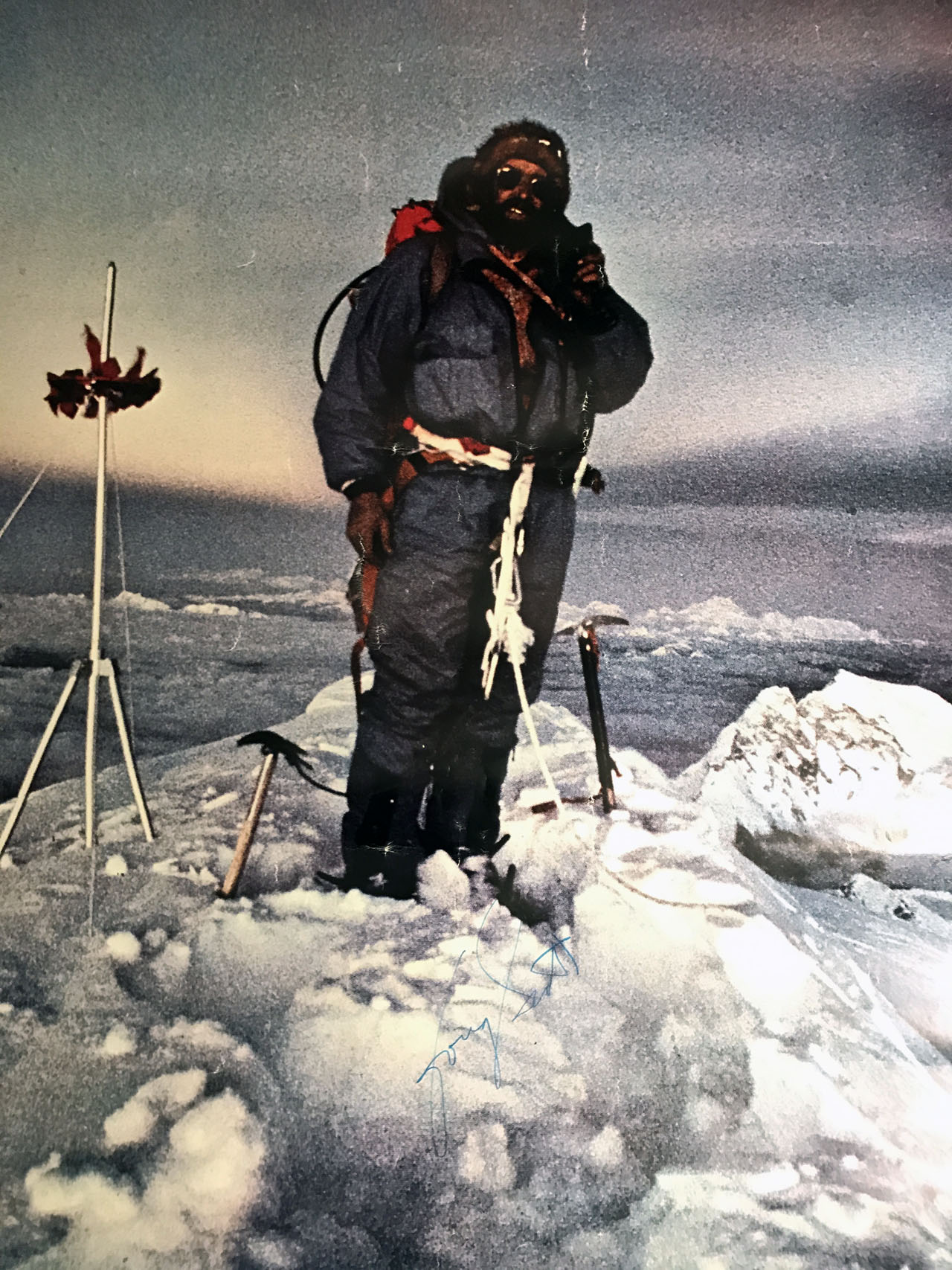
    During one of Doug Scott’s lectures at Sawtooth Mountaineering Bob Boyles secured a signed copy of the famous climber’s posters
    During one of Doug Scott’s lectures at Sawtooth Mountaineering, Bob Boyles secured a signed copy of the famous climber’s posters.
  • The First Winter Ascent of Mount Heyburn

    The First Winter Ascent of Mount Heyburn

    The first Winter ascent of Mount Heyburn was made by Gordon Williams, Mark Sheehan, Jacques Bordeleau, Chris Puchner and Joe Saviers on December 30, 1974. They climbed the peak from the fifth Bench Lake via the Northwest Ridge. Mark Sheehan recalls: “It was a real slog, breaking trail though waist deep powder on a 45 degree slope. Once we got onto the rock it was one pitch of 5.5 climbing.” [Use this link to see Jacques’ photos from the groups first Winter attempt: Mount Heyburn Attempt]

    The ascent crew after the first ascent. Left to right: Mark Sheehan, Joe Saviers, Gordon Williams and Chris Puchner. Photo Courtesy of Jacques Bordeleau
    The ascent crew after the first ascent. Left to right: Mark Sheehan, Joe Saviers, Gordon Williams and Chris Puchner. Photo courtesy of Jacques Bordeleau.

    John Miller was the sixth member of the expedition but he did not summit. Jacques Bordeleau remembered “All but one guy summitted in 1975. Milner sat in his tent whining about his cold toes all day and I haven’t seen him since. It was 2 degrees on the summit but the sun felt good once we had climbed up into it.”

    This is the Wilderness Permit issued to the climbers. Note the signature is David O. Lee, the long time backcountry ranger for the Sawtooths. A White Cloud Peak is named after him.
    This is the Wilderness Permit issued to the climbers. Note the signature is David O. Lee, the long time backcountry ranger for the Sawtooths. A White Cloud peak is named after him.
    Mount Heyburn covered in deep snow at the time of the climb. Mark Sheehan Photo
    Mount Heyburn covered in deep snow at the time of the climb. Mark Sheehan Photo


  • The First Winter Ascent of the Finger of Fate by Jacques Bordeleau

    The First Winter Ascent of the Finger of Fate by Jacques Bordeleau

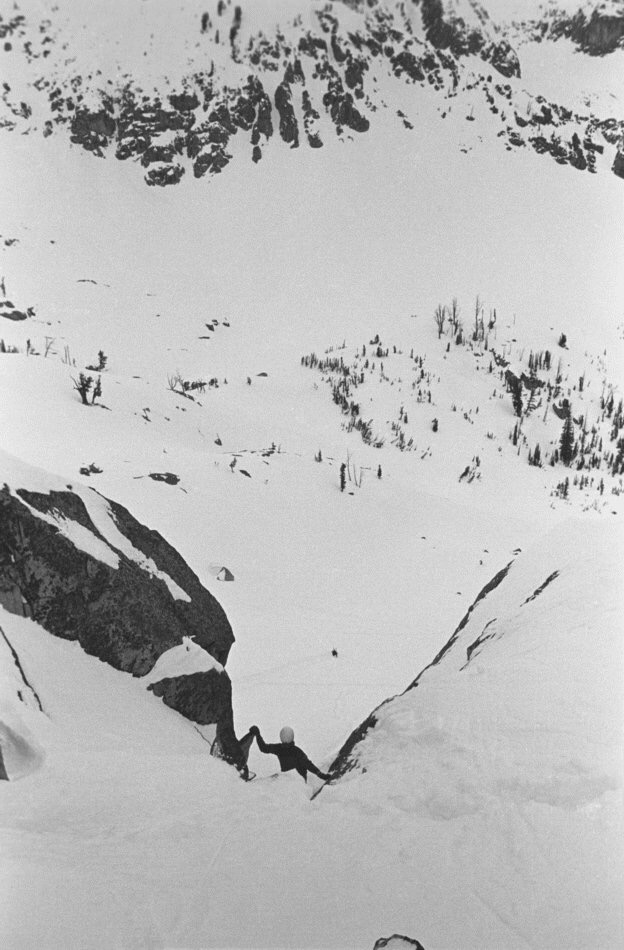
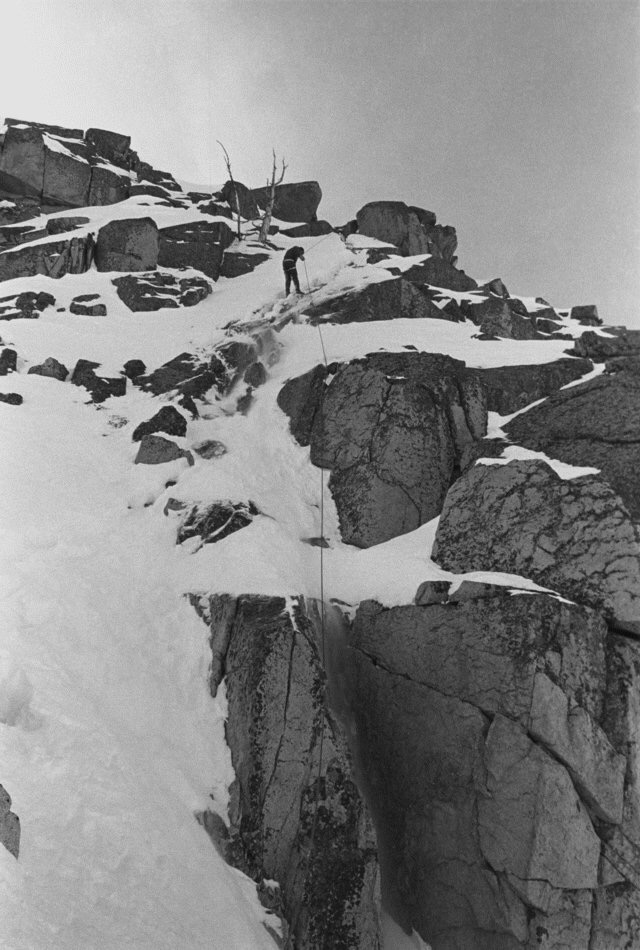
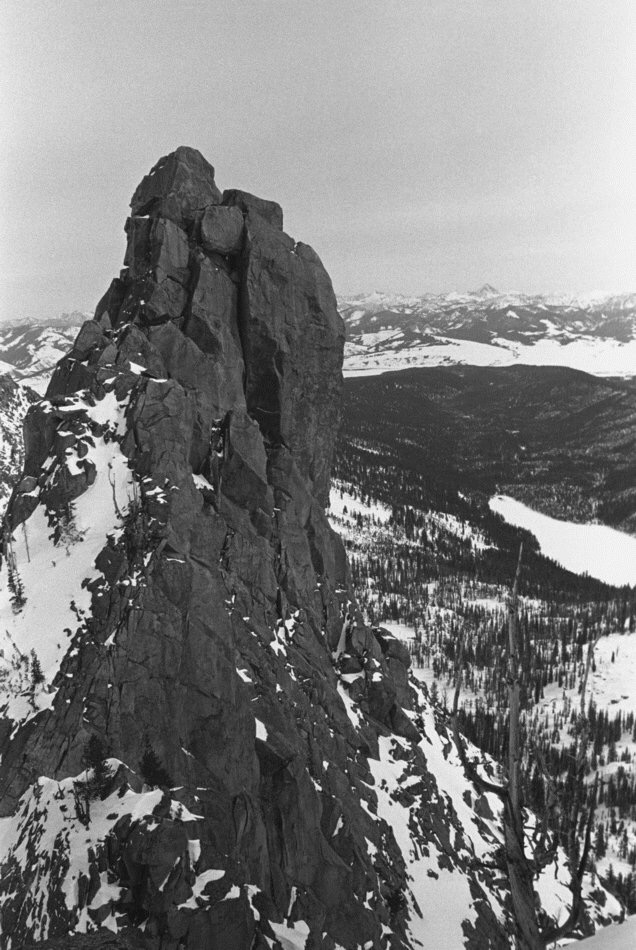
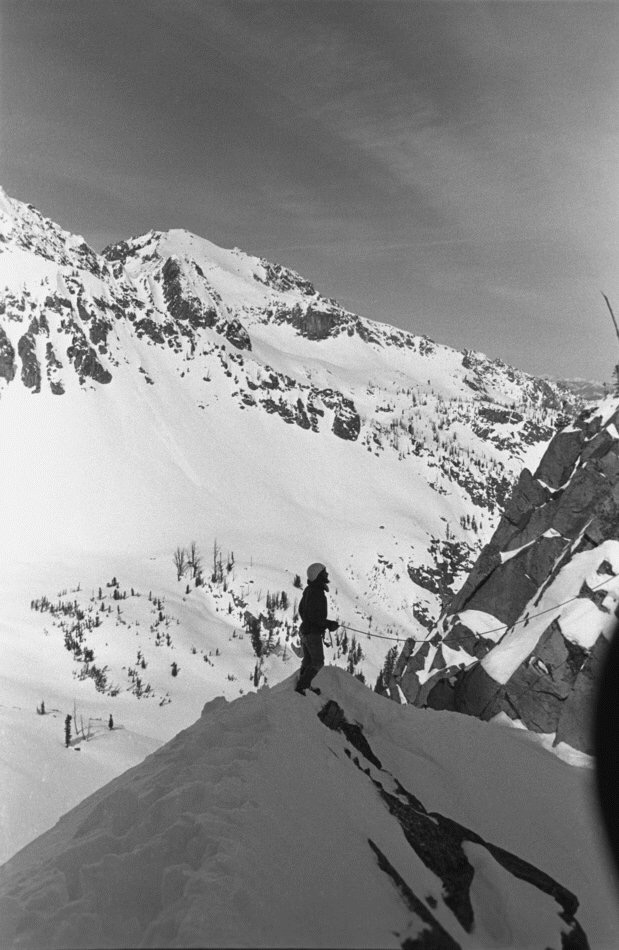
    The first winter ascent of the Finger of Fate was made on March 19, 1973 by James Christopher Hecht, Harry Bowron, Gordon K. Williams and Joe Fox. I was part of the support team which also included Art Troutner and John Platt. I took the color photos. I developed the black and white photos that were shot by the ascent team.

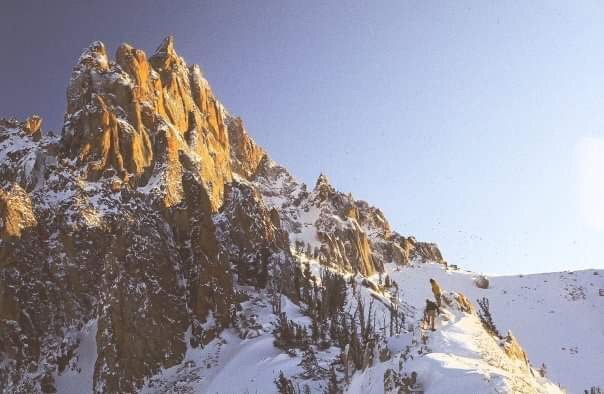
    1. Our first day was spent skiing up Hell Roaring road down in the forest, the end of the road being Camp I. Semi-unplanned as it was we hooked up with a Boise contingent of the DFC&FC* on the ski in, boosting our group to seven adventuresome lads. The second morning we were greeted with scenery. The fickle "Finger of Fate" is seen pointing skyward in this view from the outlet at Hell Roaring lake, flanked by the Arrowhead and the Birthday Cake on the skyline. * Decker Flats Climbing & Frisbee Club
    Our first day was spent skiing up Hell Roaring Road down in the forest, the end of the road being Camp I. Semi-unplanned as it was we hooked up with a Boise contingent of the DFC&FC* on the ski in, boosting our group to seven adventuresome lads. The second morning we were greeted with scenery. The fickle “Finger of Fate” is seen pointing skyward in this view from the outlet at Hell Roaring Lake, flanked by the Arrowhead and the Birthday Cake on the skyline. *Decker Flats Climbing & Frisbee Club
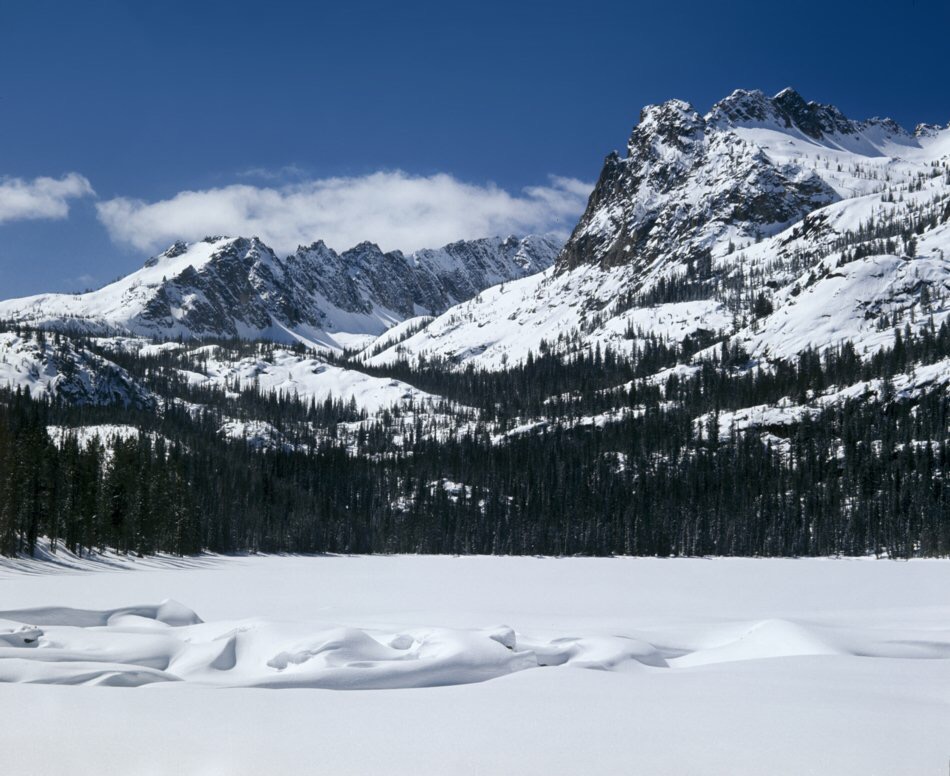
    2. Looking SW from the Hell Roaring Lake outlet, toward Imogene lake, which is up and around the spectacular canyon beyond. This was my first winter expedition and at this point I remember being extremely impressed with the snow forms on the mountains. Everything about the Sawtooths was magnified by being there in winter. I was 22 years old in 1973 and it may as well have been the Himalayas to me.
    Looking southwest from the Hell Roaring Lake outlet toward Imogene lake, which is up and around the spectacular canyon beyond. This was my first Winter expedition and, at this point, I remember being extremely impressed with the snow forms on the mountains. Everything about the Sawtooths was magnified by being there in winter. I was 22 years old in 1973 and it may as well have been the Himalayas to me.
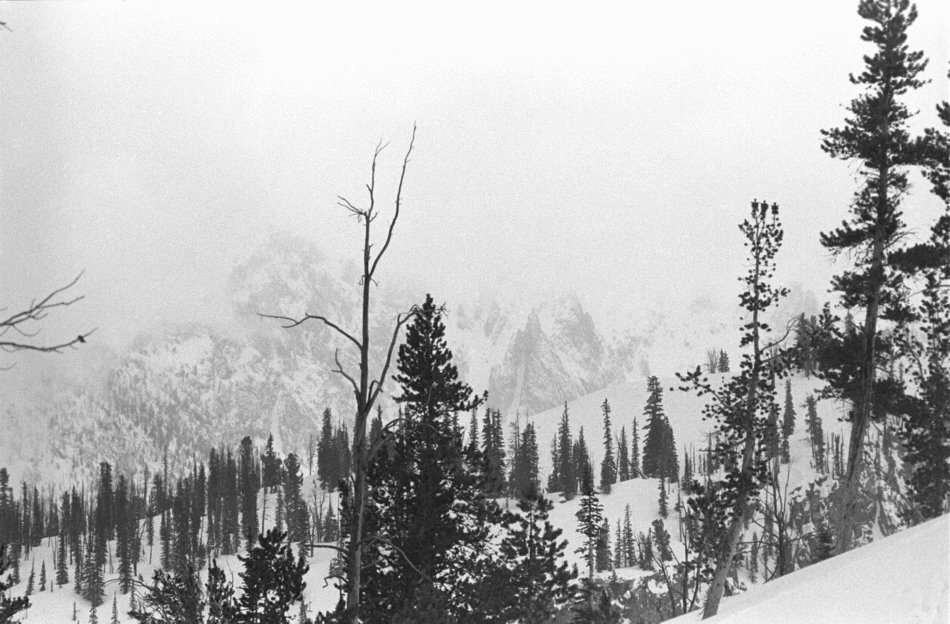
    3. The second day we humped from the road end to Hell Roaring lake, where the climbing began. Carrying heavy packs up to high Camp II was tough. The 3rd morning dawned a little funky but cleared up after a while.
    The 2nd day we humped from the road end to Hell Roaring Lake, where the climbing began. Carrying heavy packs up to High Camp II was tough. The 3rd morning dawned a little funky but cleared up after a while.
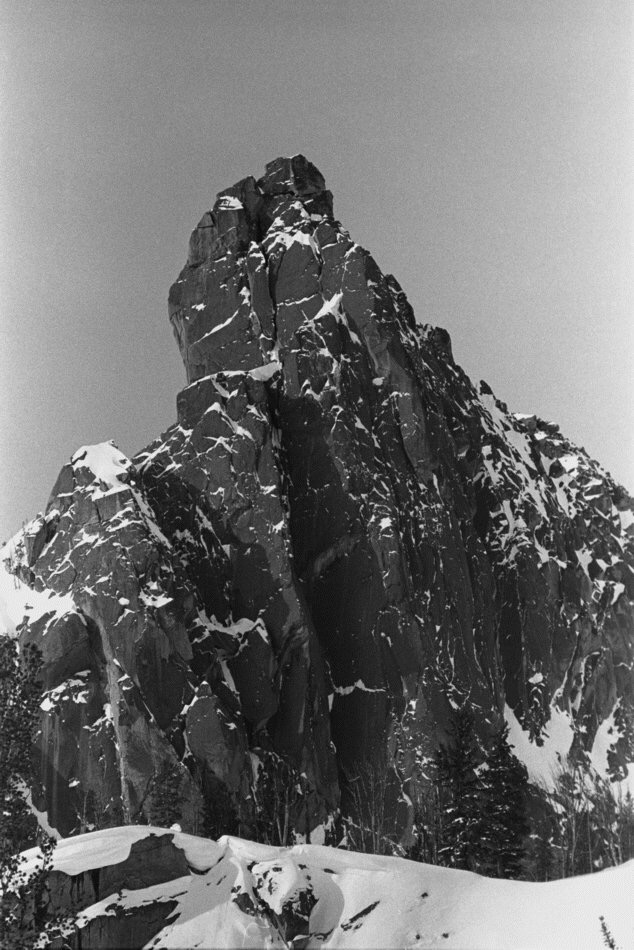
    4. The North Face of the Finger, showing the "Open Book" route in deep shadows, not a nice climb in winter. It was attempted repeatedly before selecting an alternate plan.
    The North Face of the Finger, showing the “Open Book” route in deep shadows, not a nice climb in Winter. It was attempted repeatedly before selecting an alternate plan.
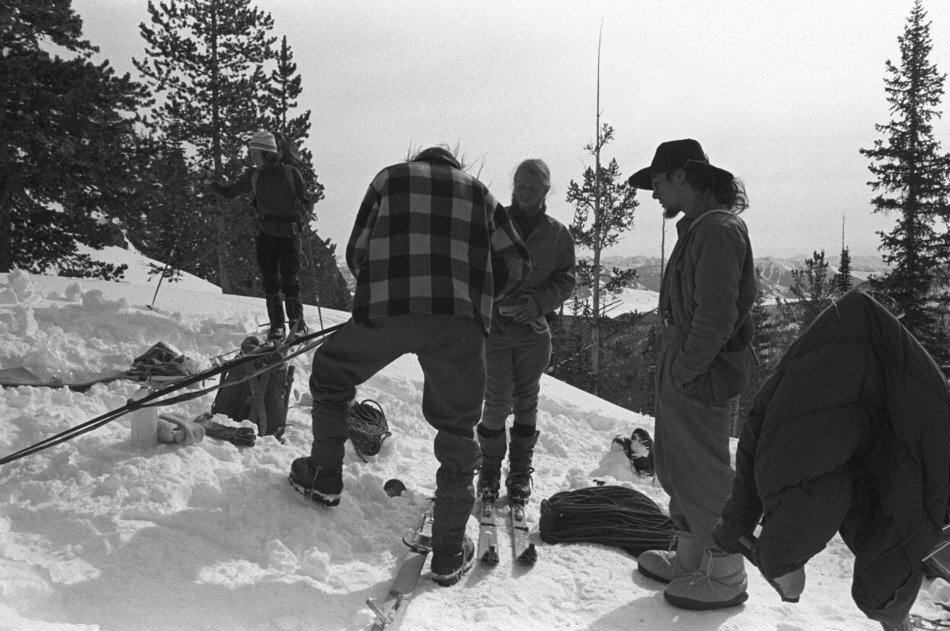
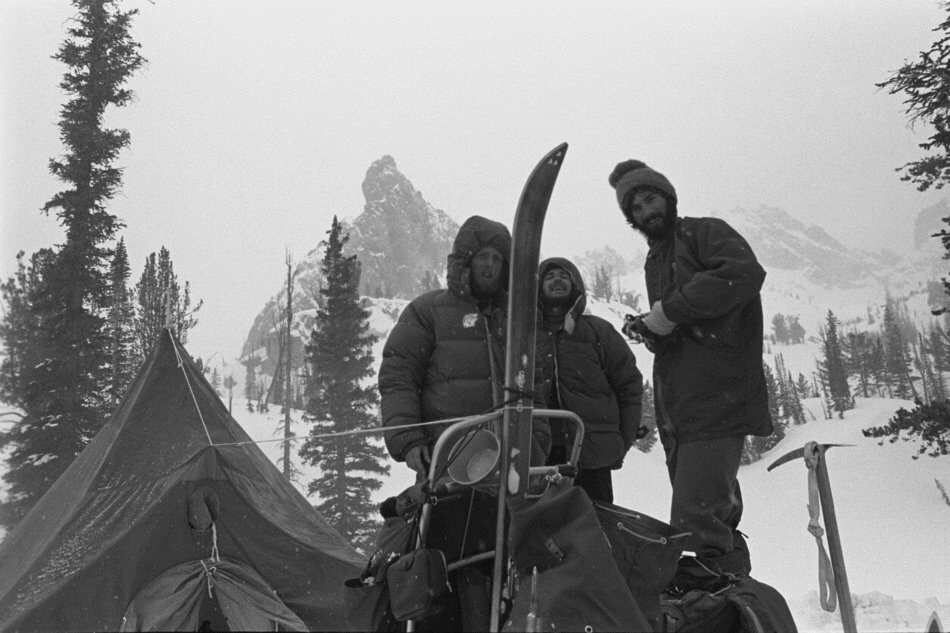
    5. Gearing up in the morning. Nice equipment, huh? I believe those are my hickory 215 cm Sundins Mountain Skis from REI, with screwed in metal edges, and my surplus canvas + aluminum frame pack. I fondly remember treating the ski bases with Pine Tar so wax would adhere properly. I don't miss doing it anymore though. The Silveretta cable bindings were versatile and enabled amazing winter travel, though stylish turns were difficult. Also my classic aluminum cup.
    Gearing up in the morning. Nice equipment, huh? I believe those are my Hickory 215CM Sundins Mountain Skis from REI, with screwed in metal edges and my surplus canvas + aluminum frame pack. I fondly remember treating the ski bases with Pine Tar so wax would adhere properly. I don’t miss doing it anymore though. The Silveretta cable bindings were versatile and enabled amazing Winter travel, though stylish turns were difficult. Also my classic aluminum cup.
    5. Gearing up in the morning. Nice equipment, huh? I believe those are my hickory 215 cm Sundins Mountain Skis from REI, with screwed in metal edges, and my surplus canvas + aluminum frame pack. I fondly remember treating the ski bases with Pine Tar so wax would adhere properly. I don't miss doing it anymore though. The Silveretta cable bindings were versatile and enabled amazing winter travel, though stylish turns were difficult. Also my classic aluminum cup.
    Gearing up in the morning. Nice equipment, huh? I believe those are my hickory 215 cm Sundins Mountain Skis from REI, with screwed in metal edges, and my surplus canvas + aluminum frame pack. I fondly remember treating the ski bases with Pine Tar so wax would adhere properly. I don’t miss doing it anymore though. The Silveretta cable bindings were versatile and enabled amazing winter travel, though stylish turns were difficult. Also my classic aluminum cup.
    7. Soft morning light kisses the powder snow 'Good Morning', as Gordon leads off toward the climb on Day 3.
    Soft morning light kisses the powder snow ‘Good Morning’ as Gordon leads off toward the climb on Day 3.
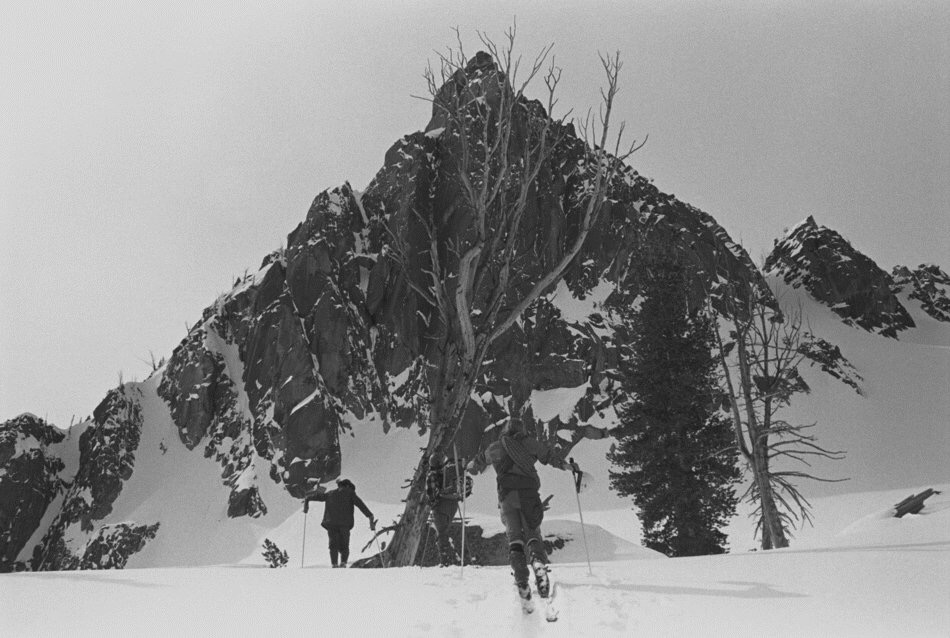
    Skiing up from Camp II the morning of March 19, 1973. A cloudy dawn turned into a fine day.

    Skiing up from Camp II the morning of March 19, 1973. A cloudy dawn turned into a fine day.
    9. A closer look at the Open Book route.
    A closer look at the Open Book Route.
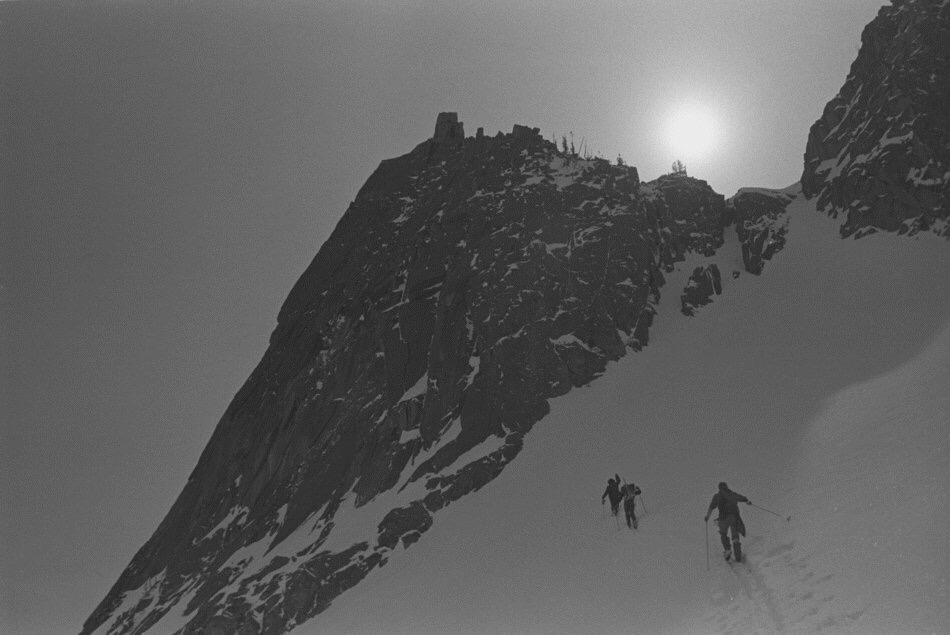
    Ascending the colouir to the West Ridge saddle.
    Ascending the colouir to the West Ridge saddle.
    11. Looking back down the col toward Camp II, with someone working their way up the track way below.
    Looking back down the col toward Camp II, with someone working their way up the track way below.
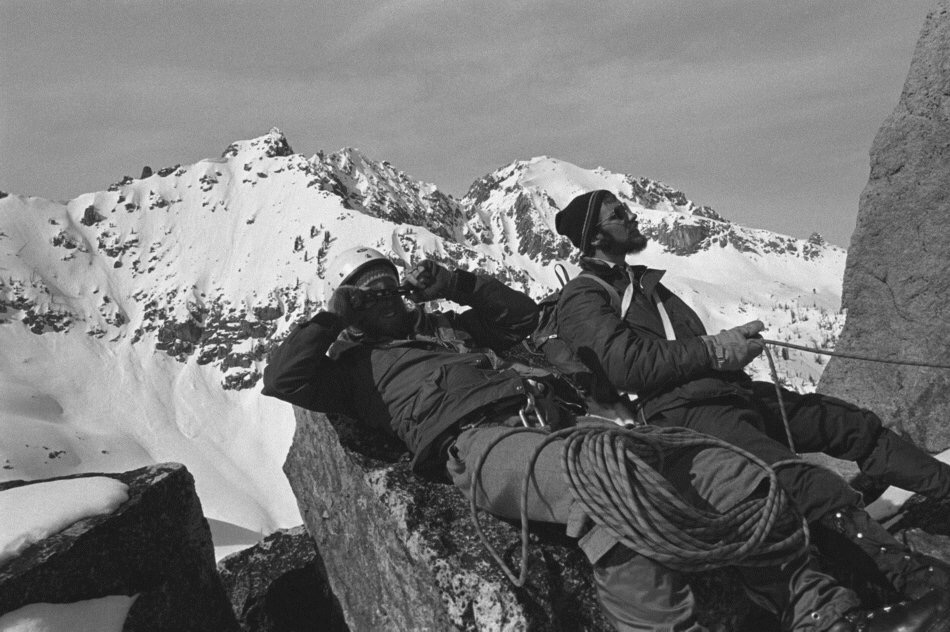
    12. Sitting atop the buttress west of the Finger, making a plan, before the climbers go scramble back down to the saddle and head up the West Ridge route.
    Sitting atop the buttress west of the Finger and making a plan before the climbers scramble back down to the saddle and head up the West Ridge Route.
    16. Rappelling down the Buttress back to the saddle.
    Rappelling down the buttress back to the saddle.
    The Finger of Fate viewed from the buttress, with Hell Roaring Lake snowed over down below, looking east toward the Sawtooth Valley. Our cars are waaaay out there. Big bad Castle Peak on the horizon.
    The Finger of Fate as viewed from the buttress, with Hell Roaring Lake snowed over down below, looking east toward the Sawtooth Valley. Our cars are waaaay out there. Big bad Castle Peak is on the horizon.
    15. If you see the rope, follow it upward and you'll notice Gordons' head (center) peering out from a belay position above a pitch.
    If you see the rope, follow it upward and you’ll notice Gordon’s head (center) peering out from a belay position above a pitch.
    A casual belay.
    A casual belay.
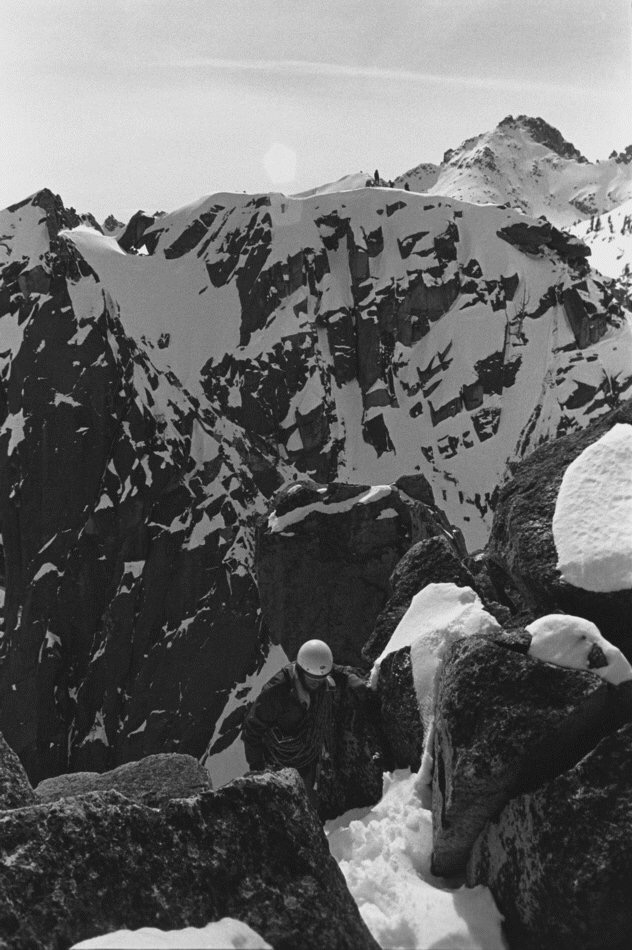
    Looking down at the saddle.
    Looking down at the saddle.
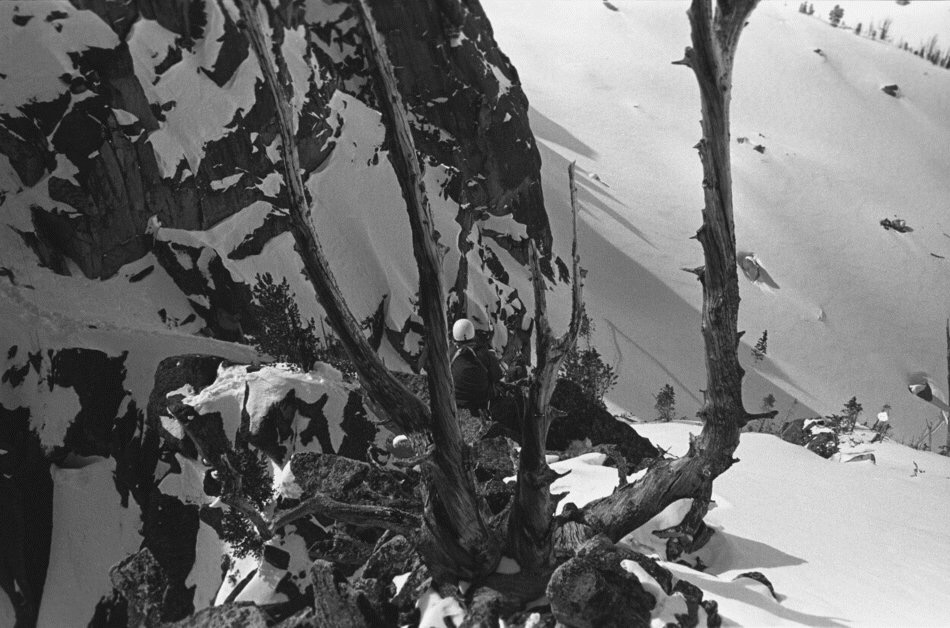
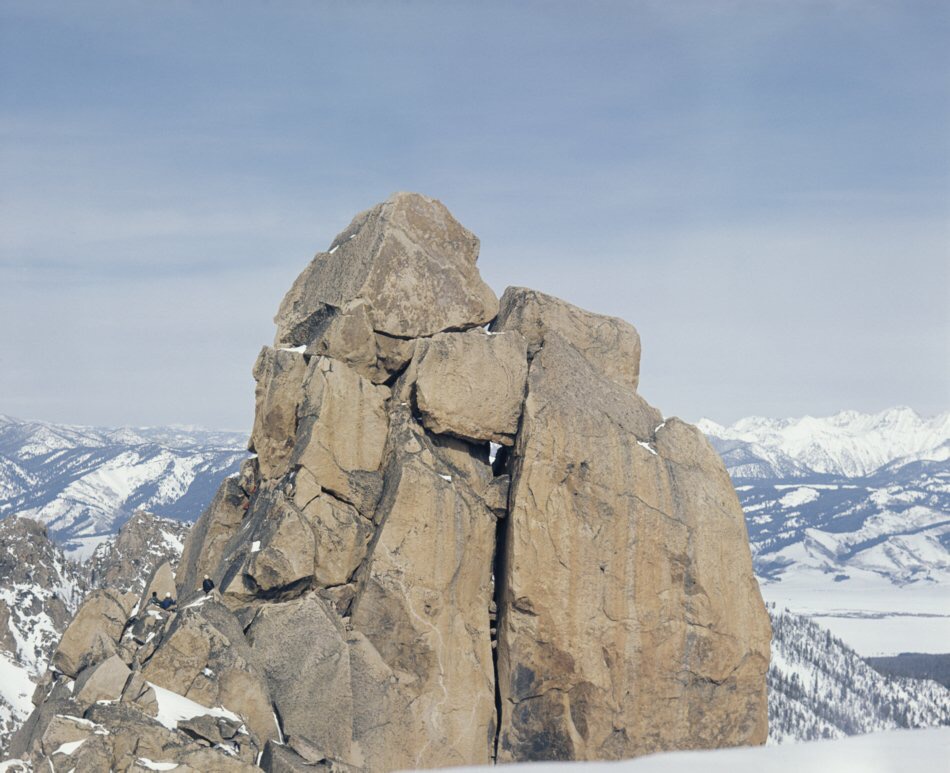
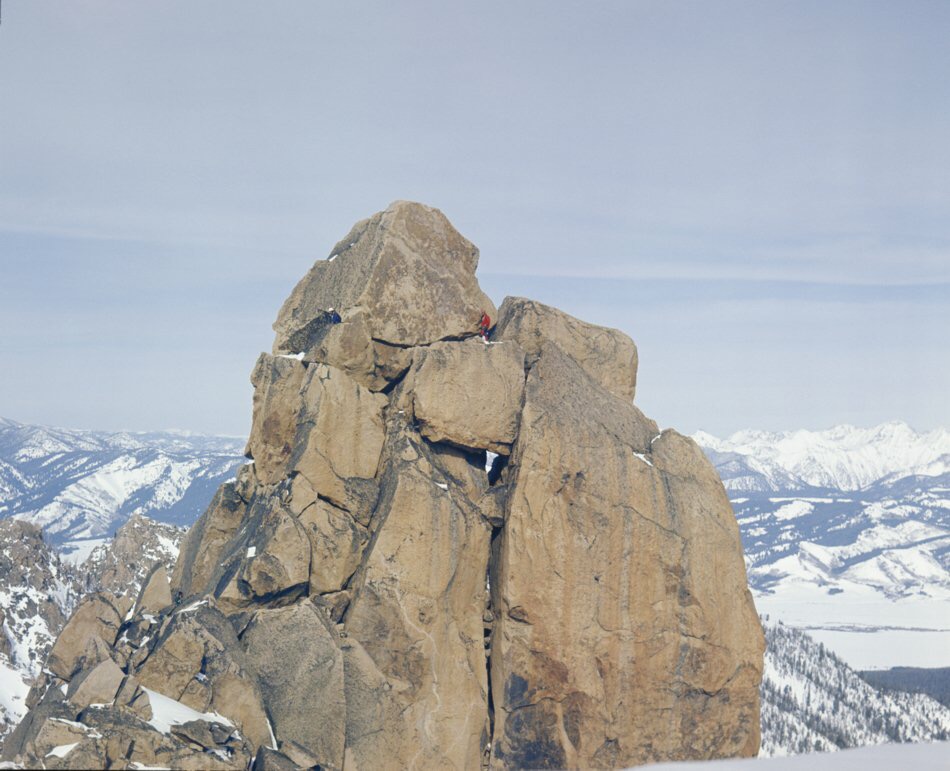
    The Buttress west of the Finger, as seen from the Finger. I took up a position on top of the buttress with my Graflex to shoot pics back toward the Finger, while the rock climbers worked on their goal. You see the route up and down the buttress in the disturbed snow.
    The Buttress west of the Finger as seen from the Finger. I took up a position on top of the buttress with my Graflex to shoot pics back toward the Finger while the rock climbers worked on their goal. You see the route up and down the buttress in the disturbed snow.
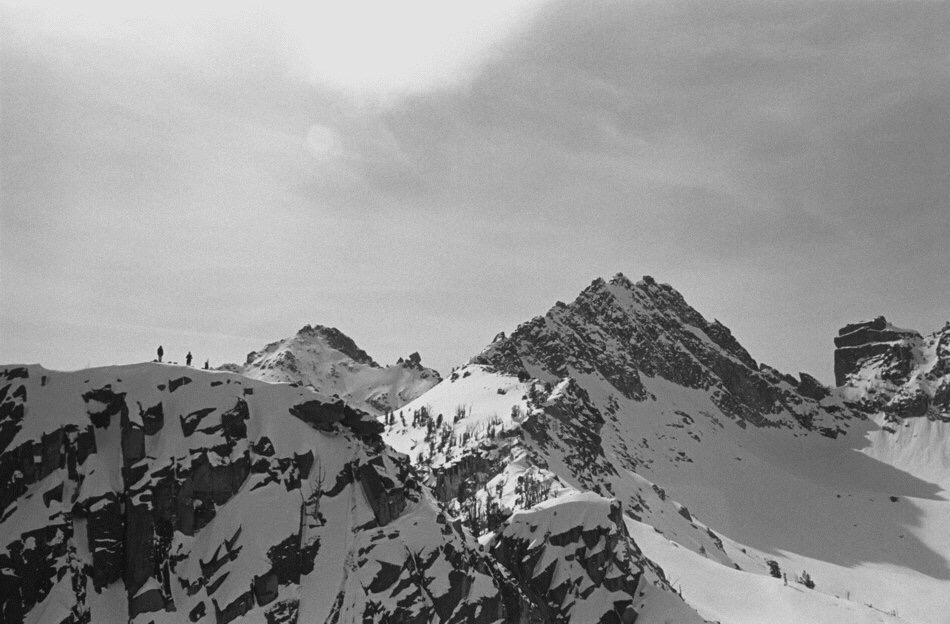
    Looking toward the Arrowhead, Sevy Peak and the Birthday Cake displayed prominently on the skyline.
    Looking toward the Arrowhead, Sevy Peak and the Birthday Cake displayed prominently on the skyline.
    West view from the Finger of Fate, Chris coming up.
    The view west from the Finger of Fate. Chris is coming up.
    Belay on! View is to the NNW, with Decker Peak the more distant summit on the right.
    Belay on! View is to the NNW with Decker Peak the more distant summit on the right.
    Harry leads a nice pitch.
    Harry leads a nice pitch.
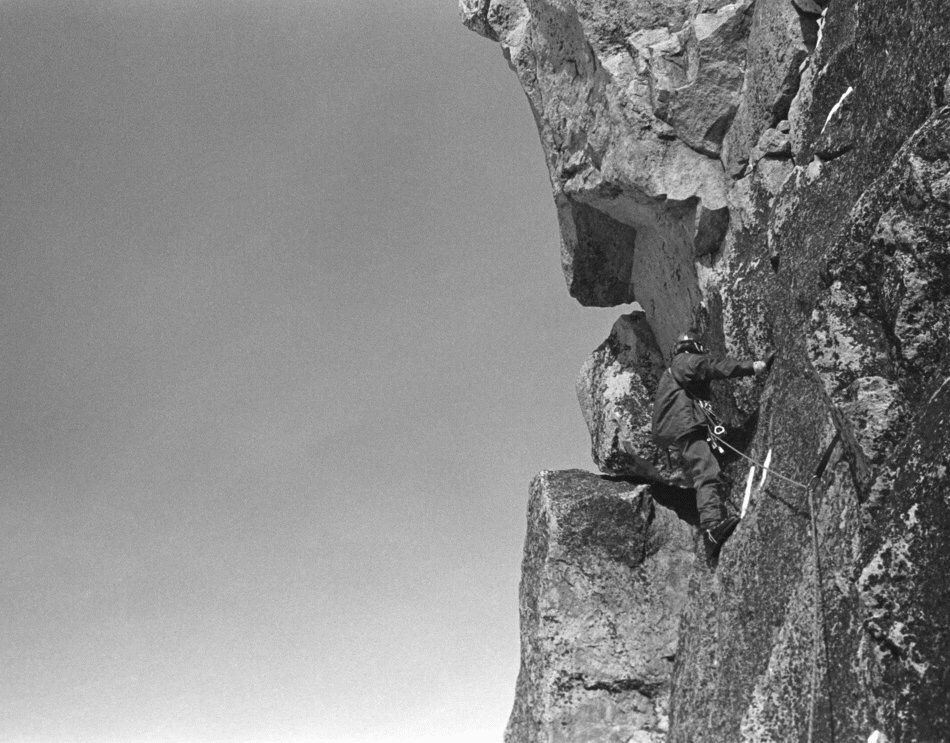
    The lads are now seen lower left if you look closely, watching as Harry leads a line. These are the pics I shot from over on the buttress.
    The lads are now seen (lower left if you look closely) watching as Harry leads a line. These are the pics I shot from over on the buttress.
    Looks like Gordon belaying the next climber up, while Harry pokes around.
    Looks like Gordon is belaying the next climber up while Harry pokes around.
    Making a leap of faith. There is a large gap from one boulder to the next, which takes a measured leap to do properly. Don't come up short, but really don't overshoot the landing.
    Making a leap of faith. There is a large gap from one boulder to the next, which takes a measured leap to do properly. Don’t come up short, but don’t overshoot the landing either.
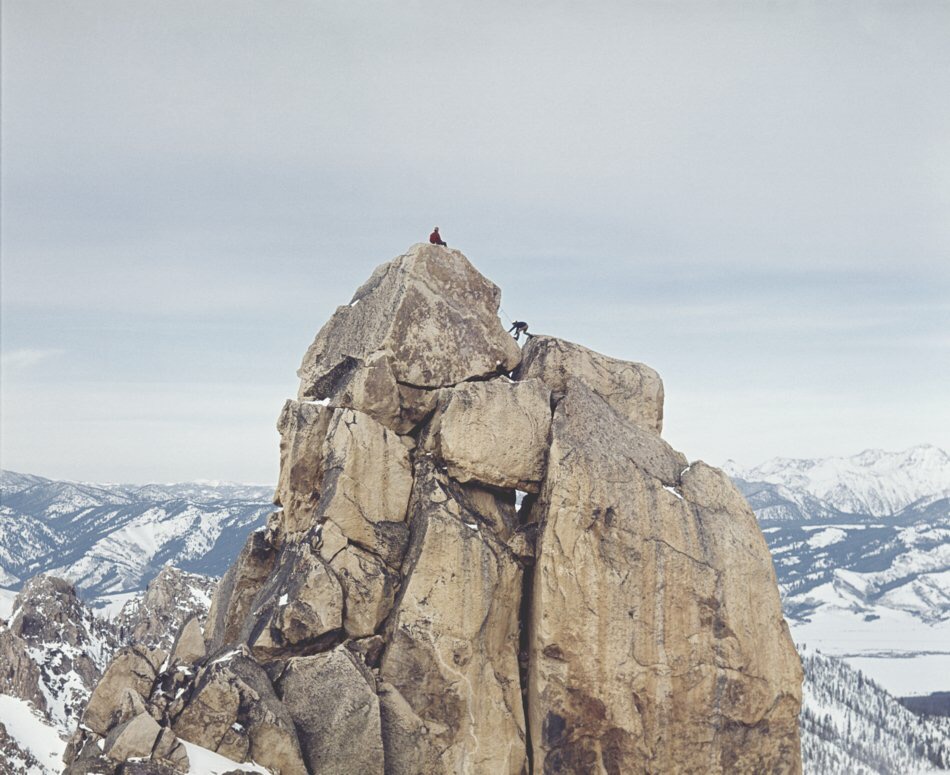
    Harry on the summit block.
    Harry on the summit block.
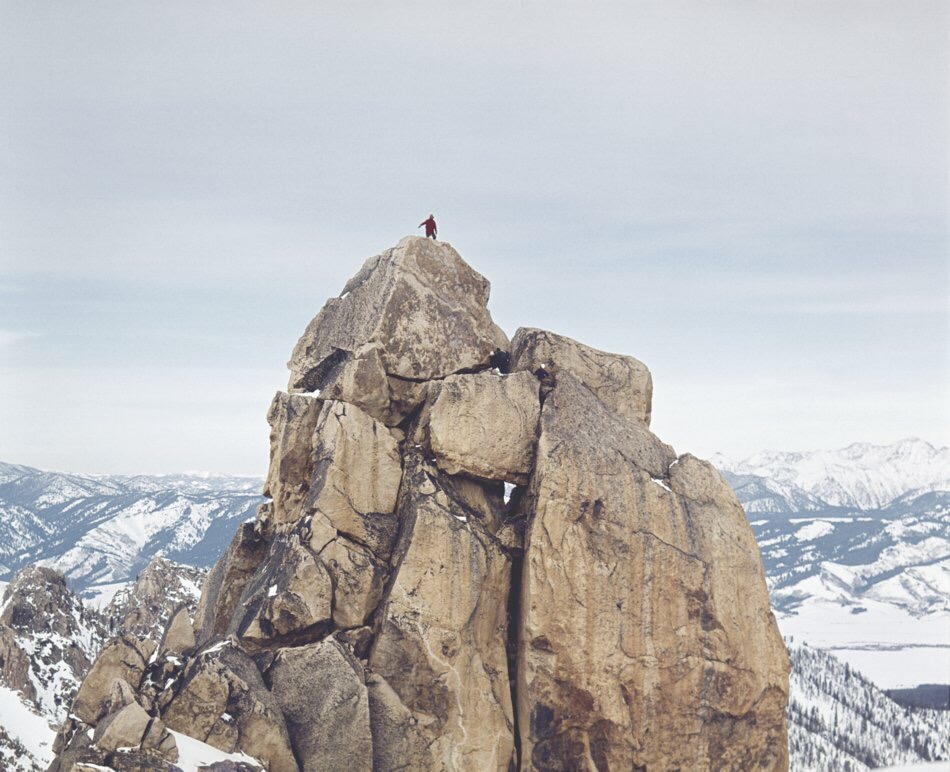
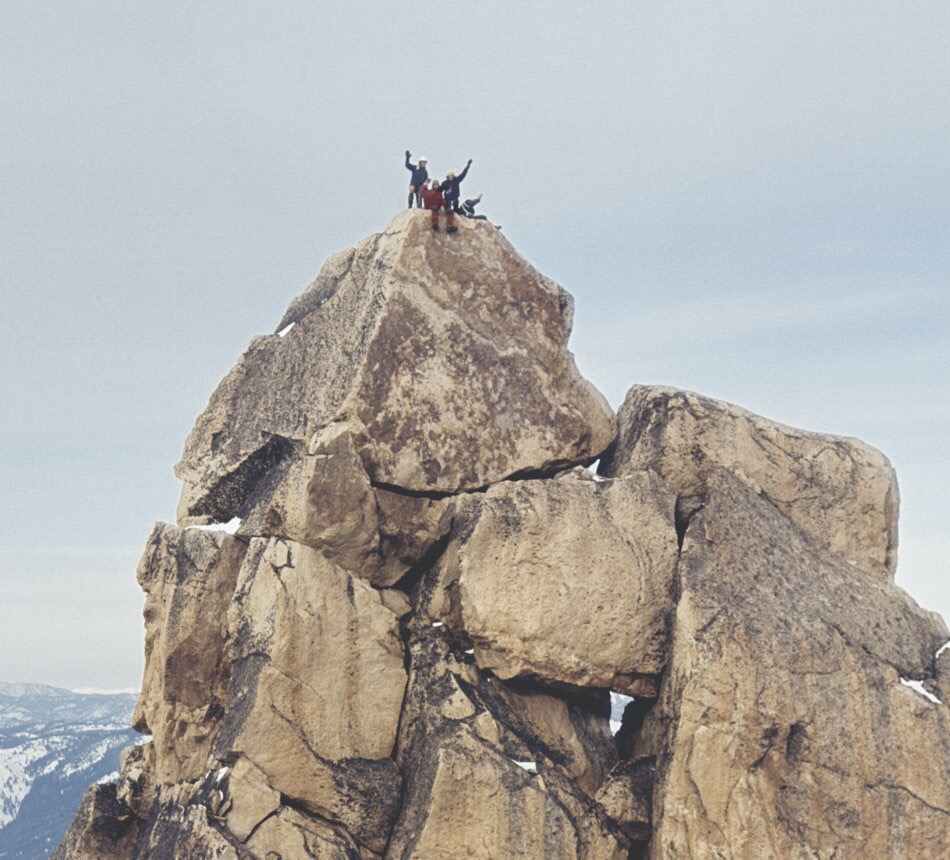
    Detail summit photo, First Winter Ascent, March 19, 1973. L to R > James Christopher Hecht, Harry Bowren, Gordon K. Williams, Joe Fox.
    Detail summit photo of the first Winter ascent (March 19, 1973). Left to right: James Christopher Hecht, Harry Bowren, Gordon K. Williams and Joe Fox.
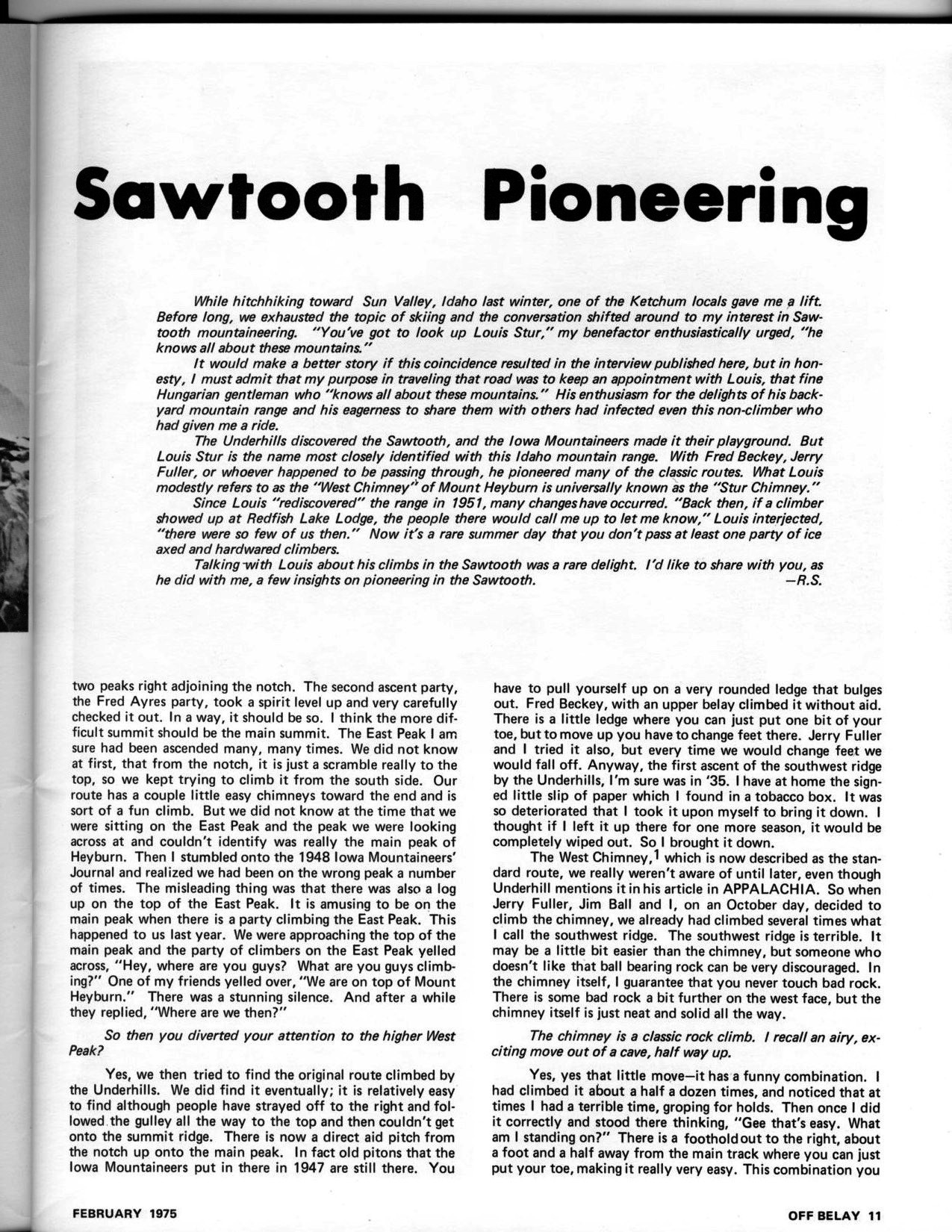
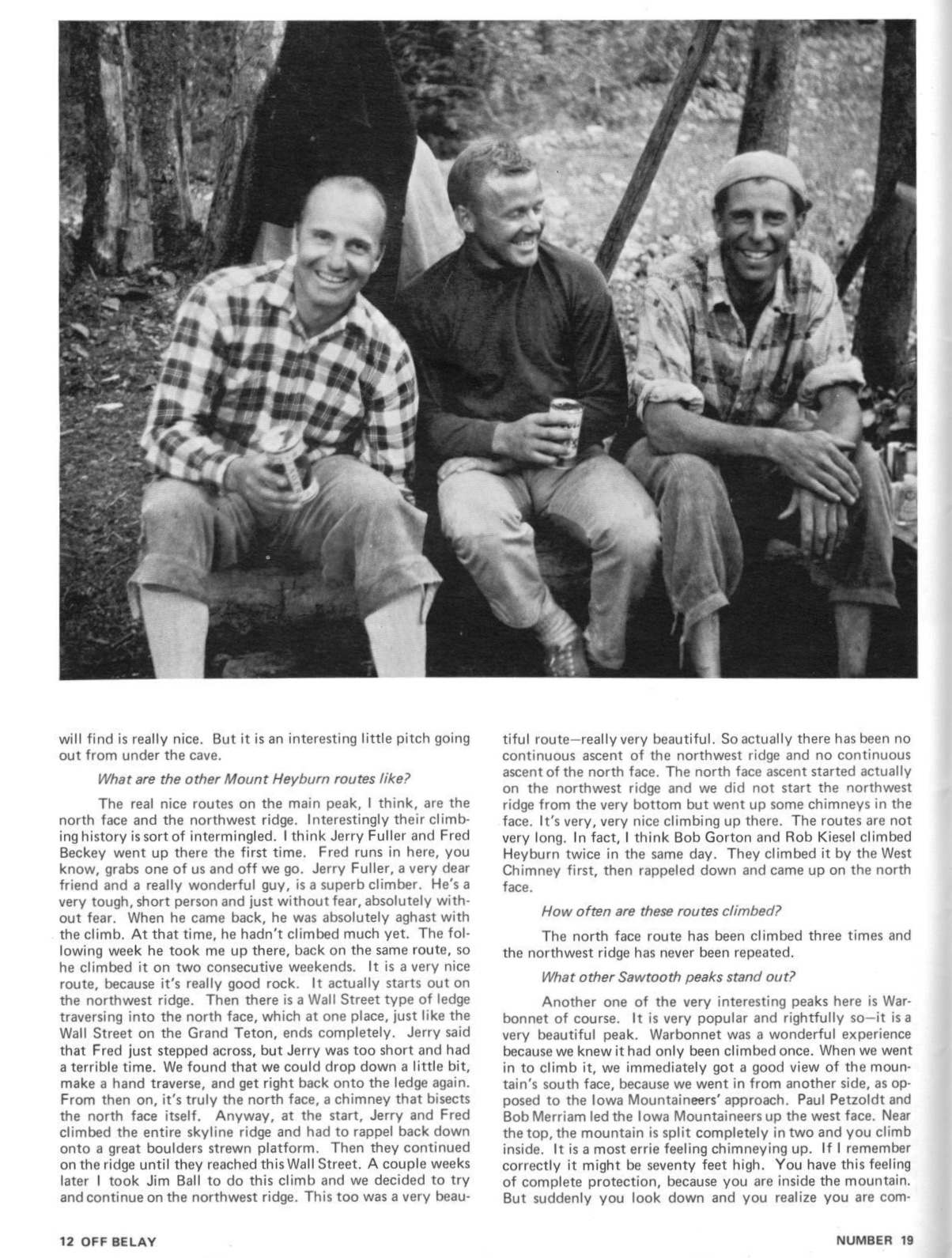
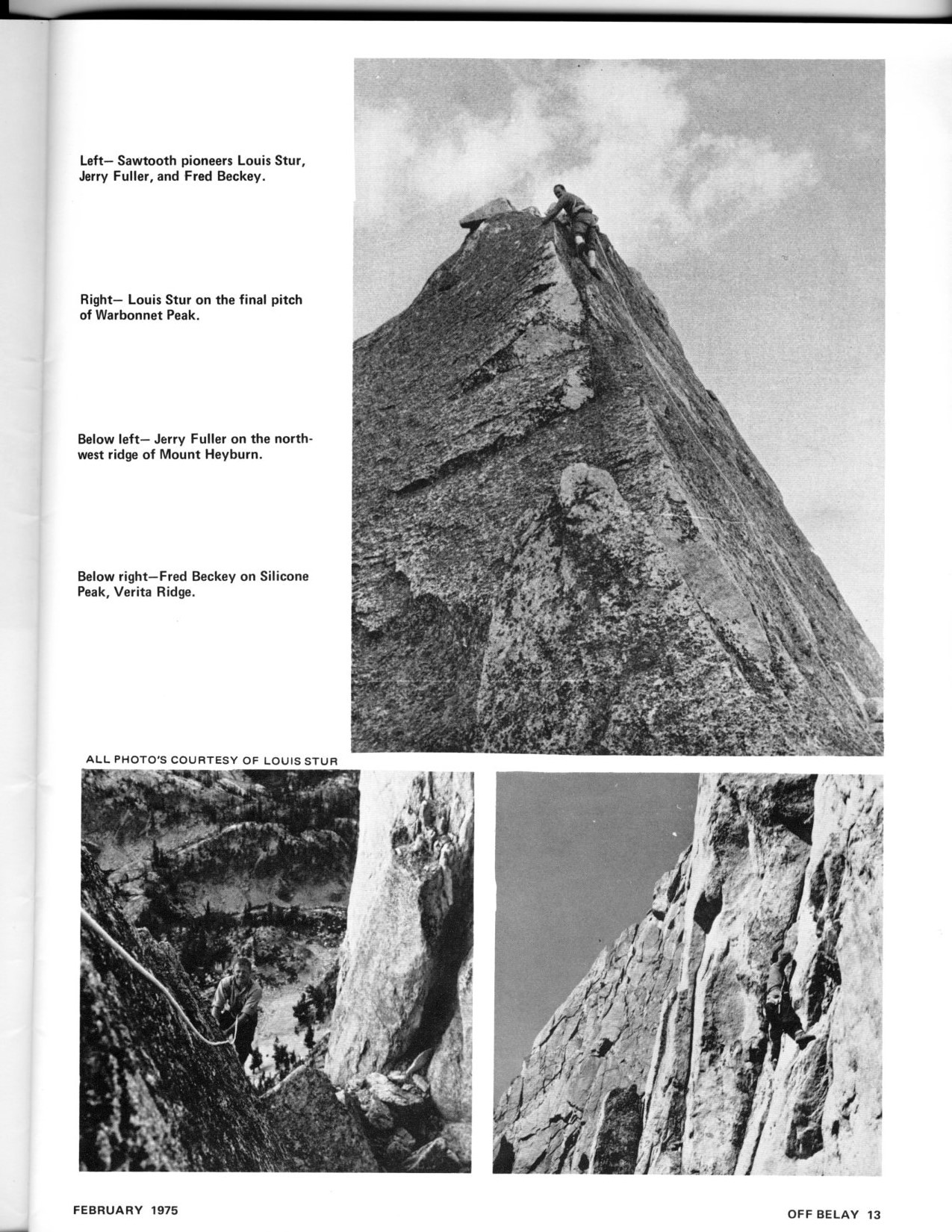
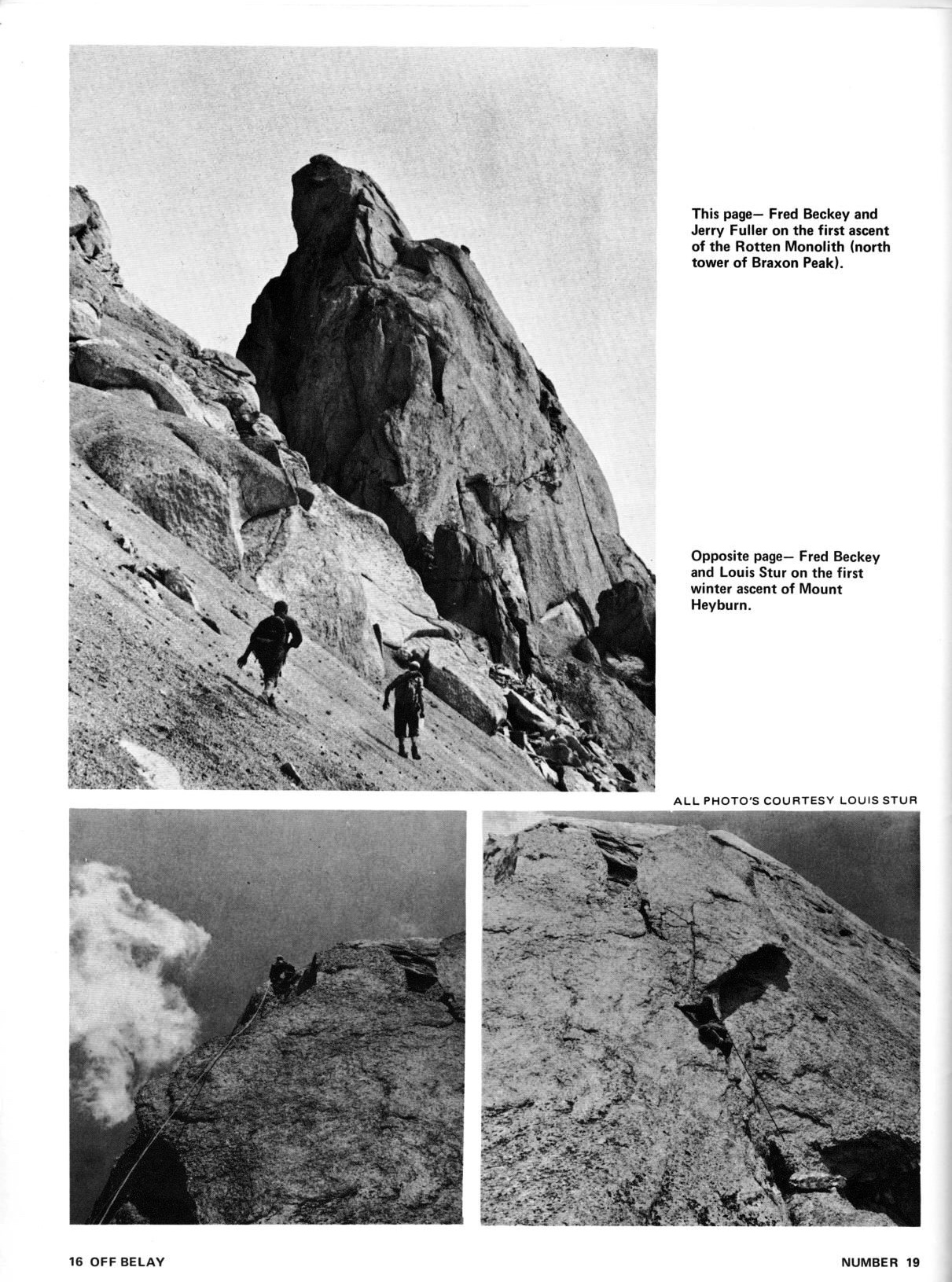
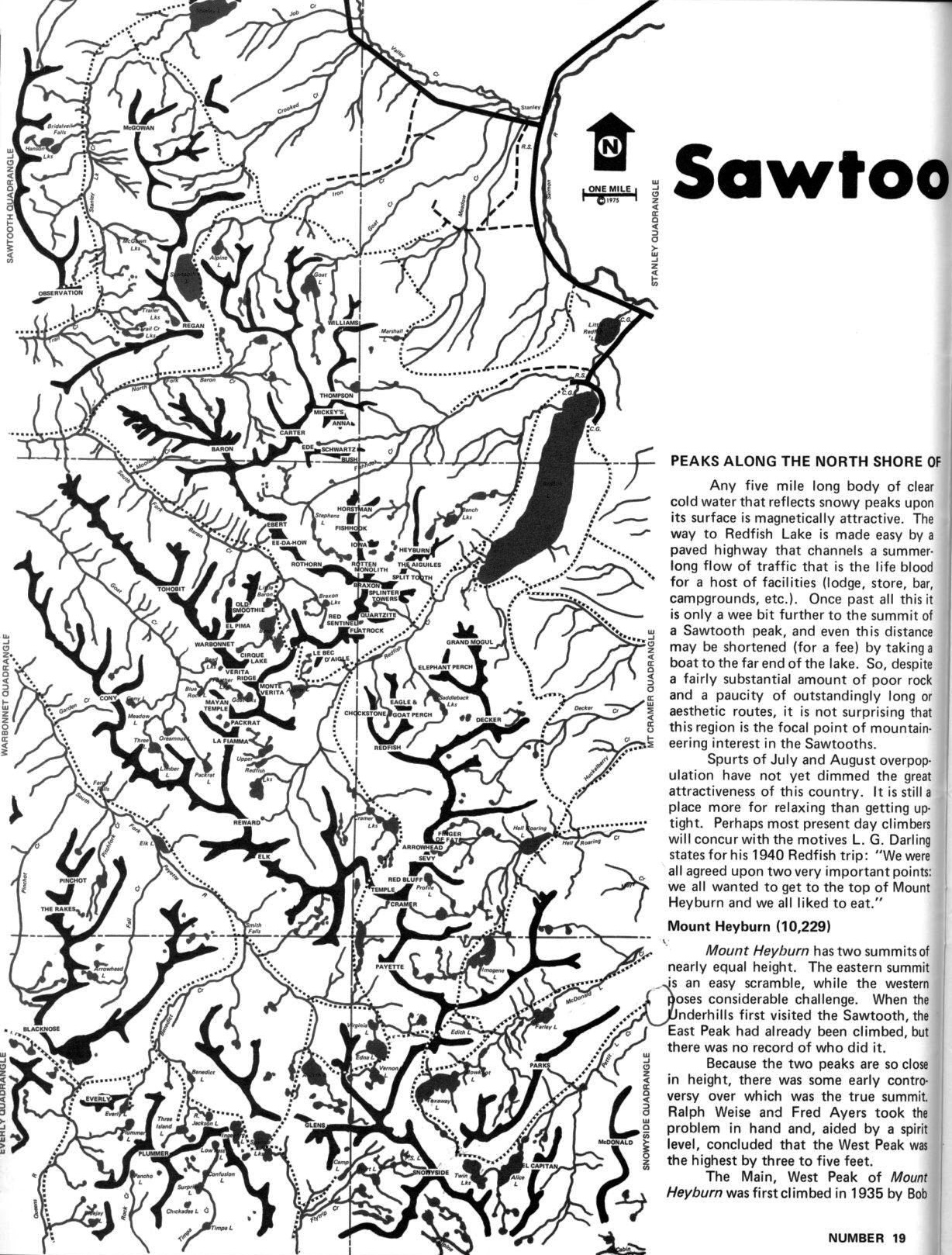
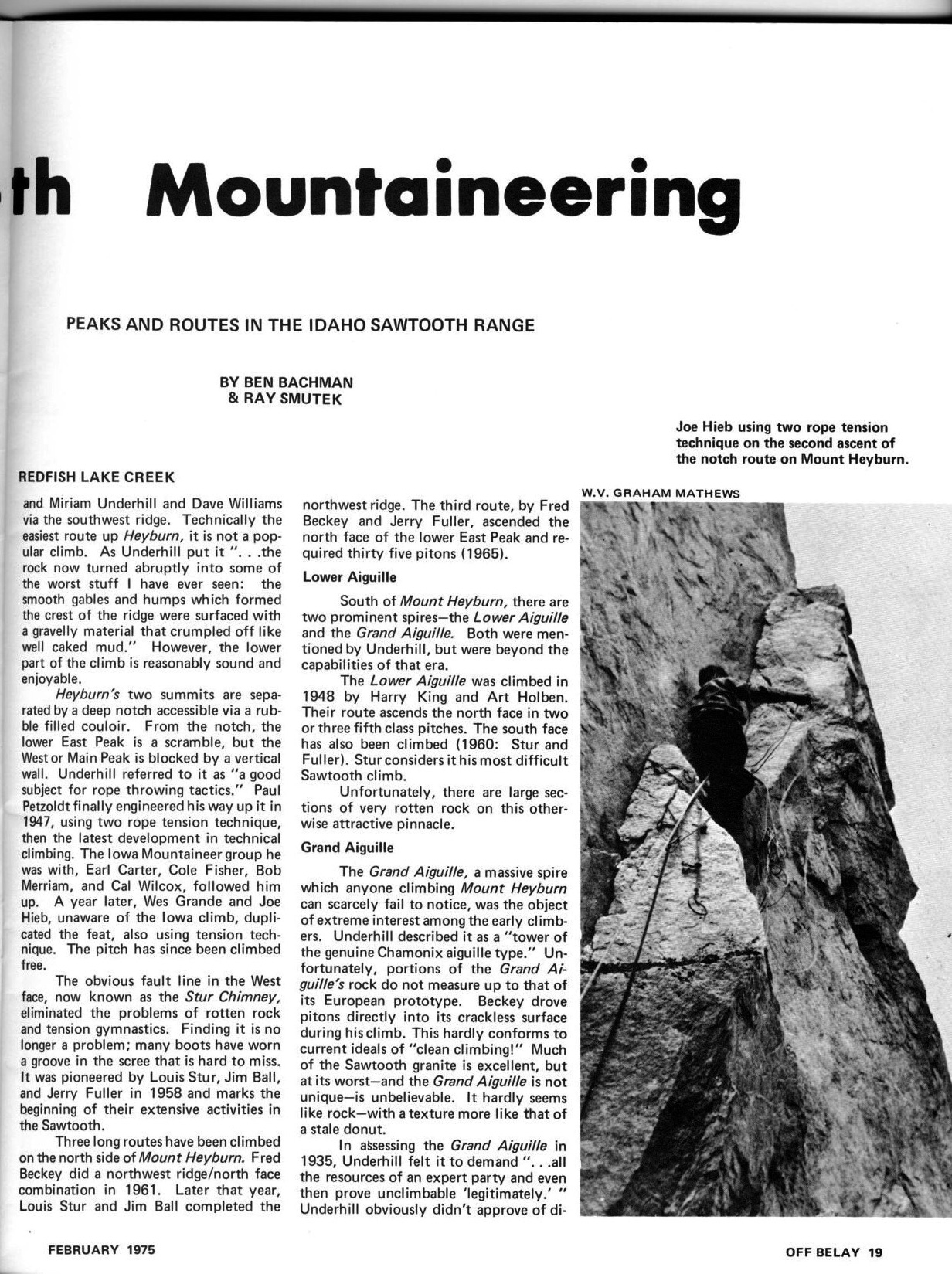
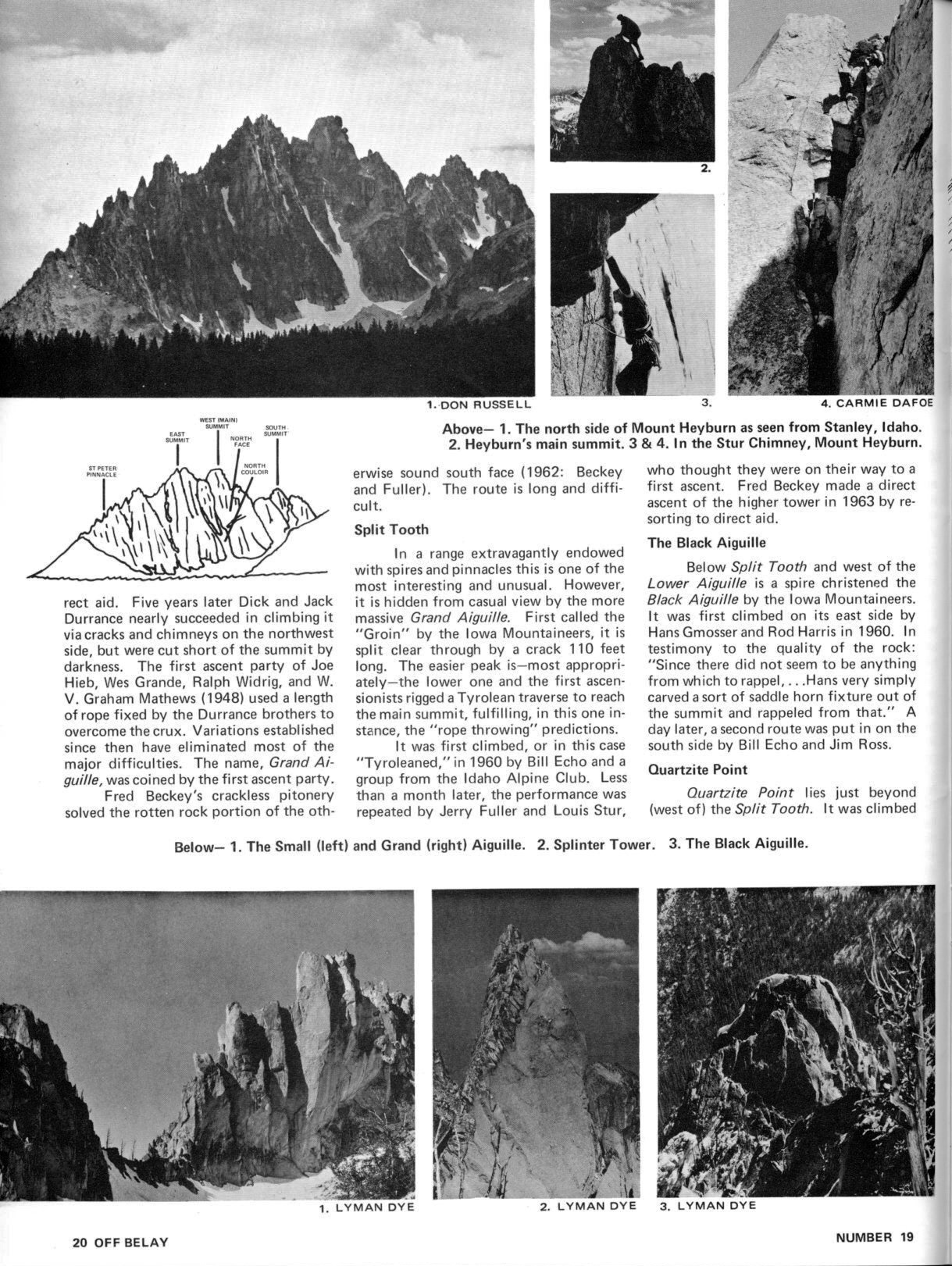
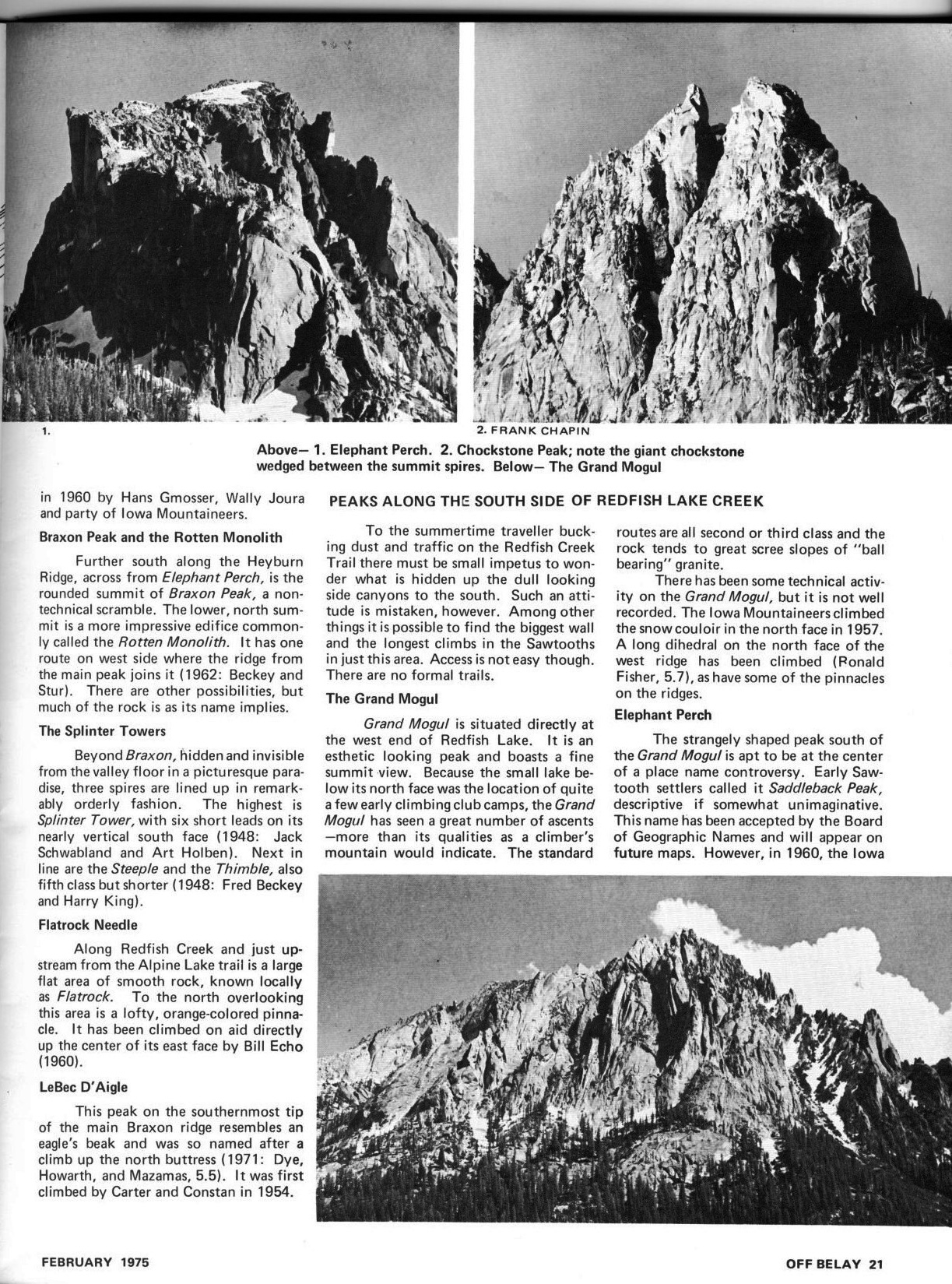
  • Off Belay Magazine —The Sawtooth Issue 1975

    Off Belay Magazine —The Sawtooth Issue 1975

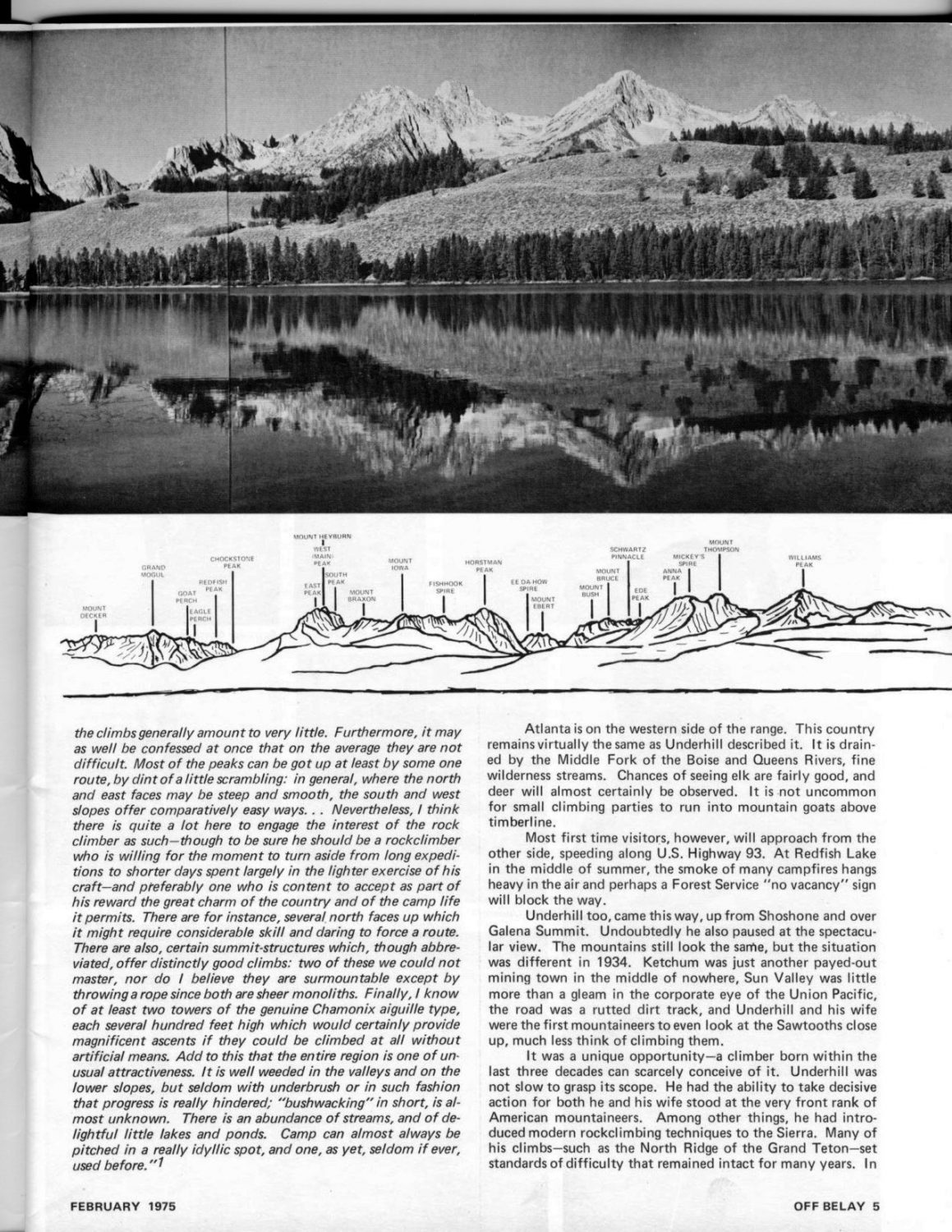
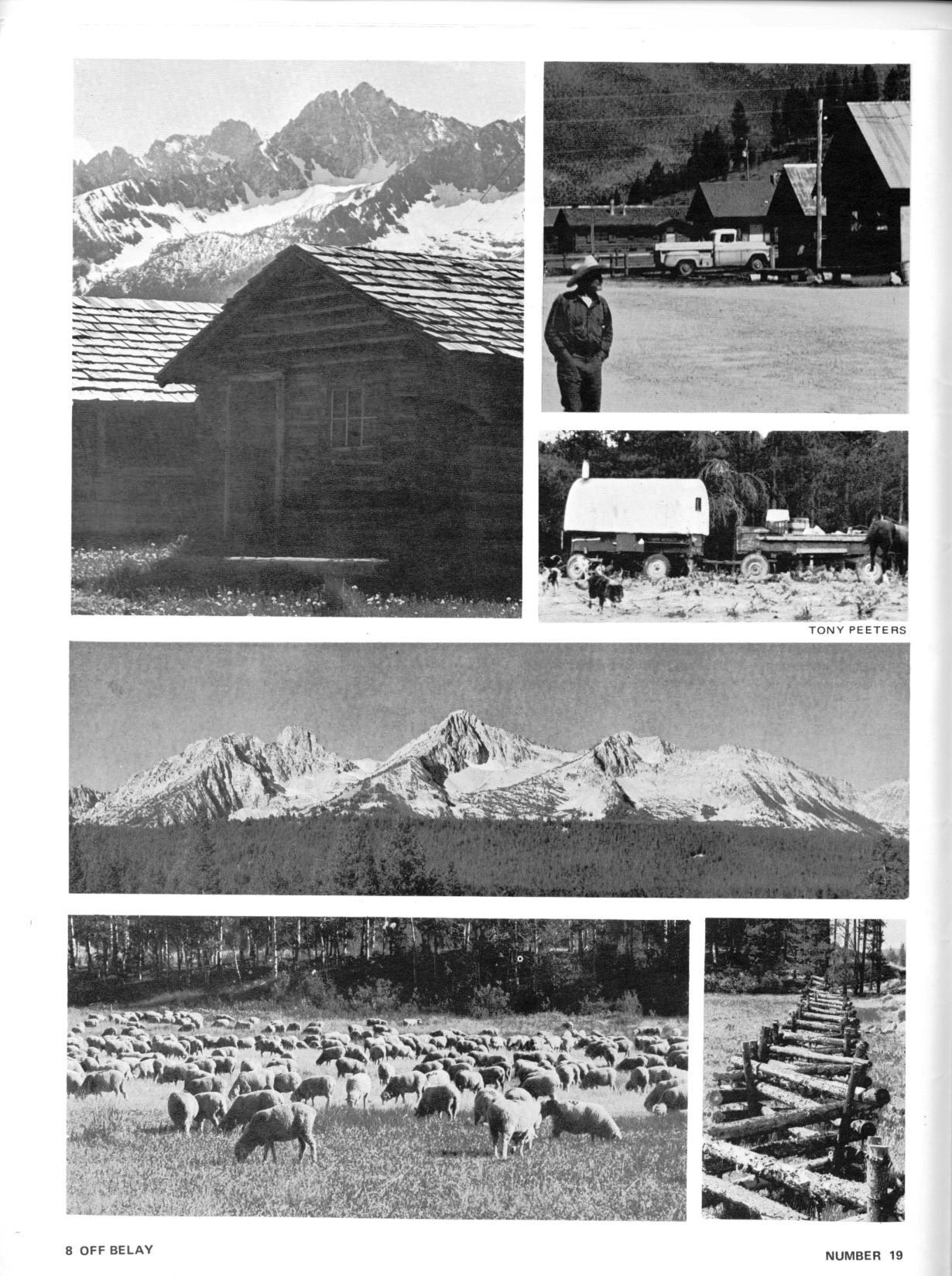
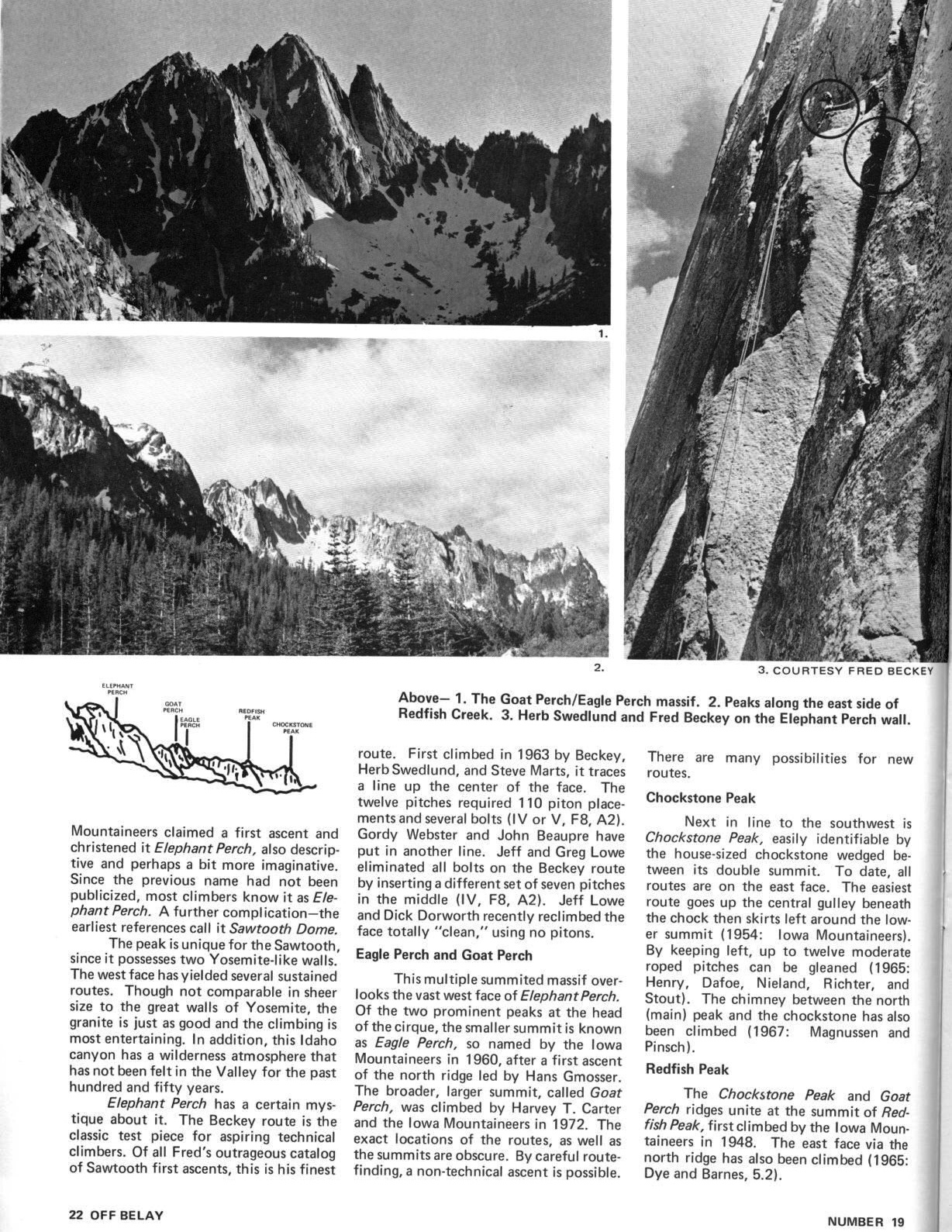
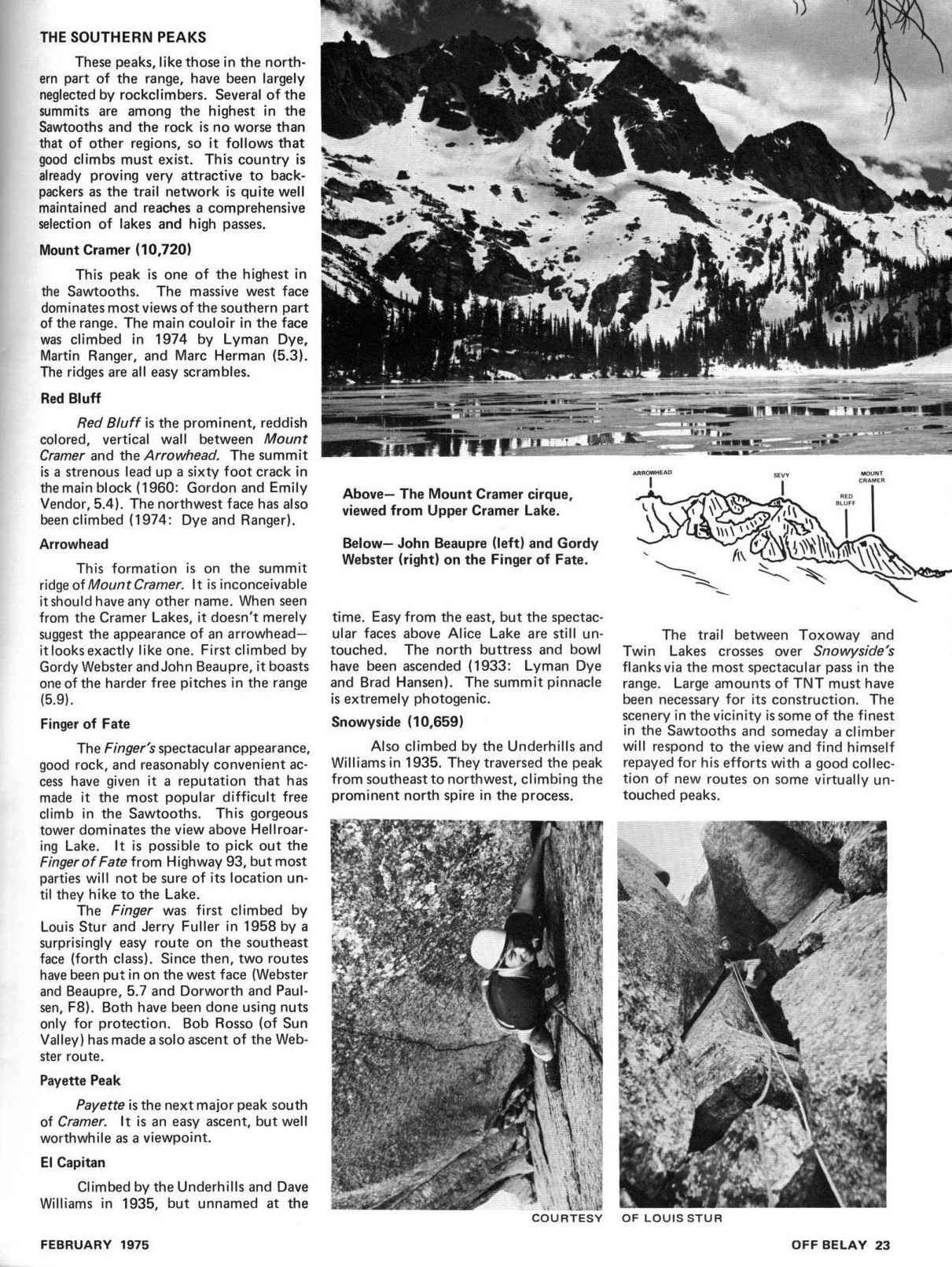
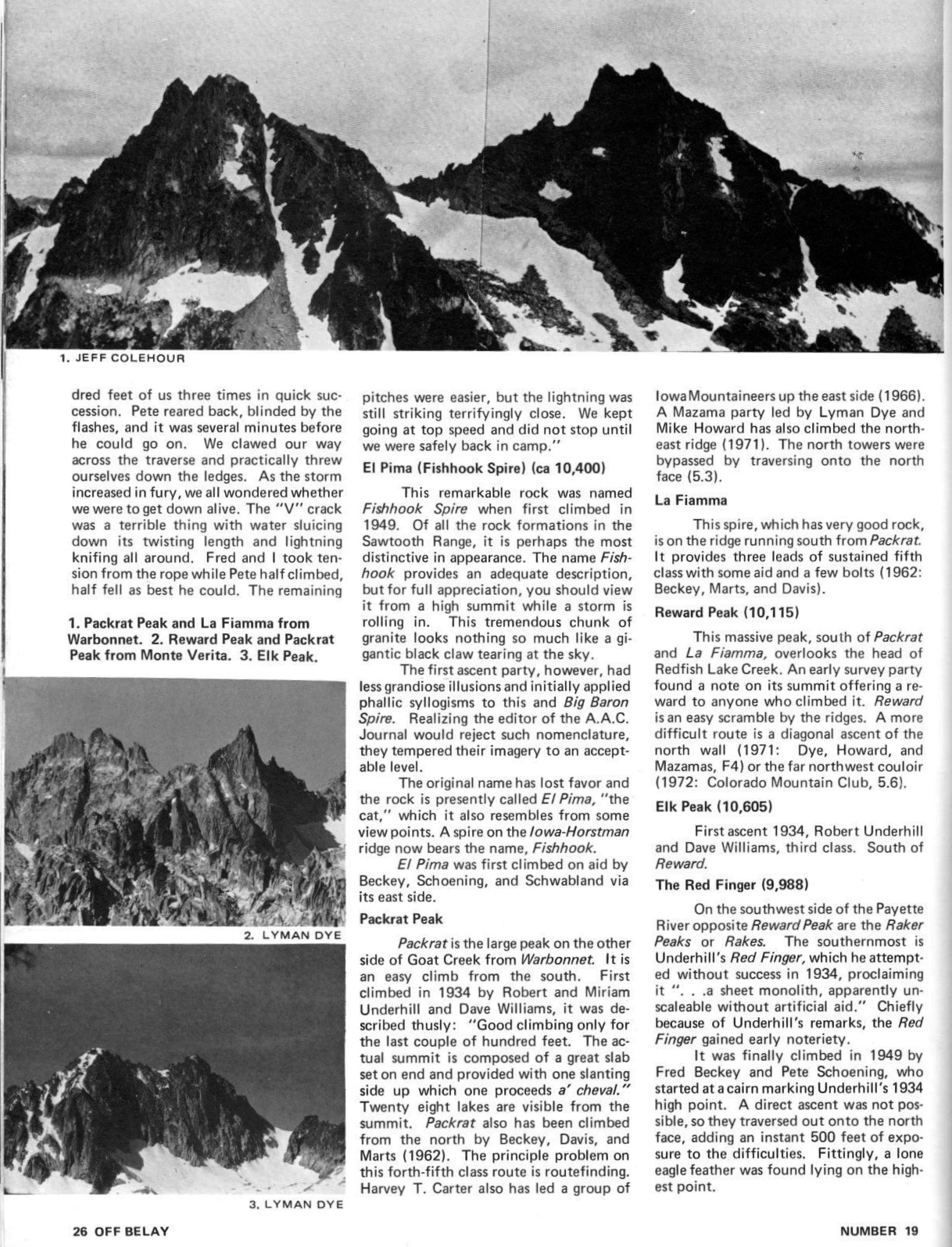
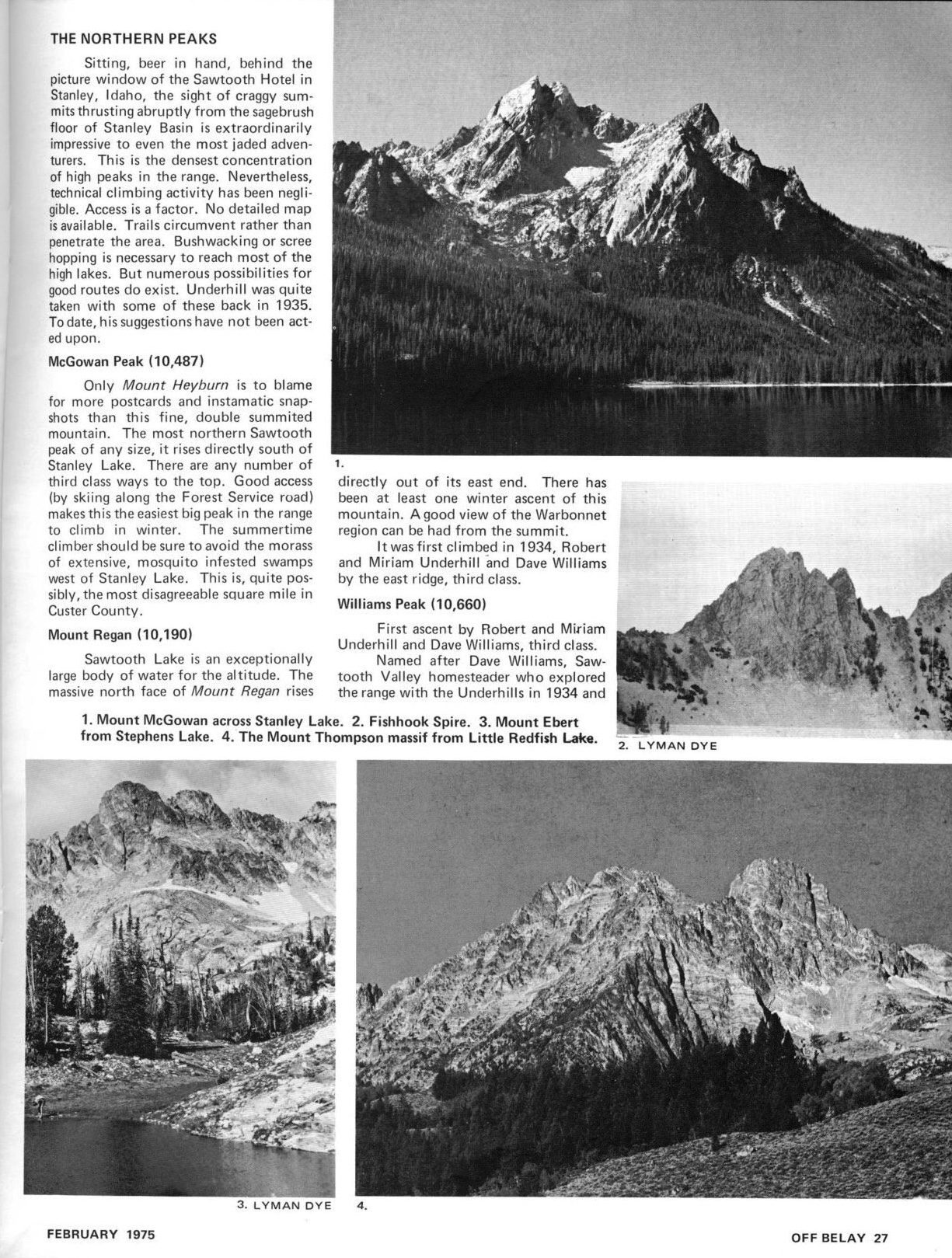
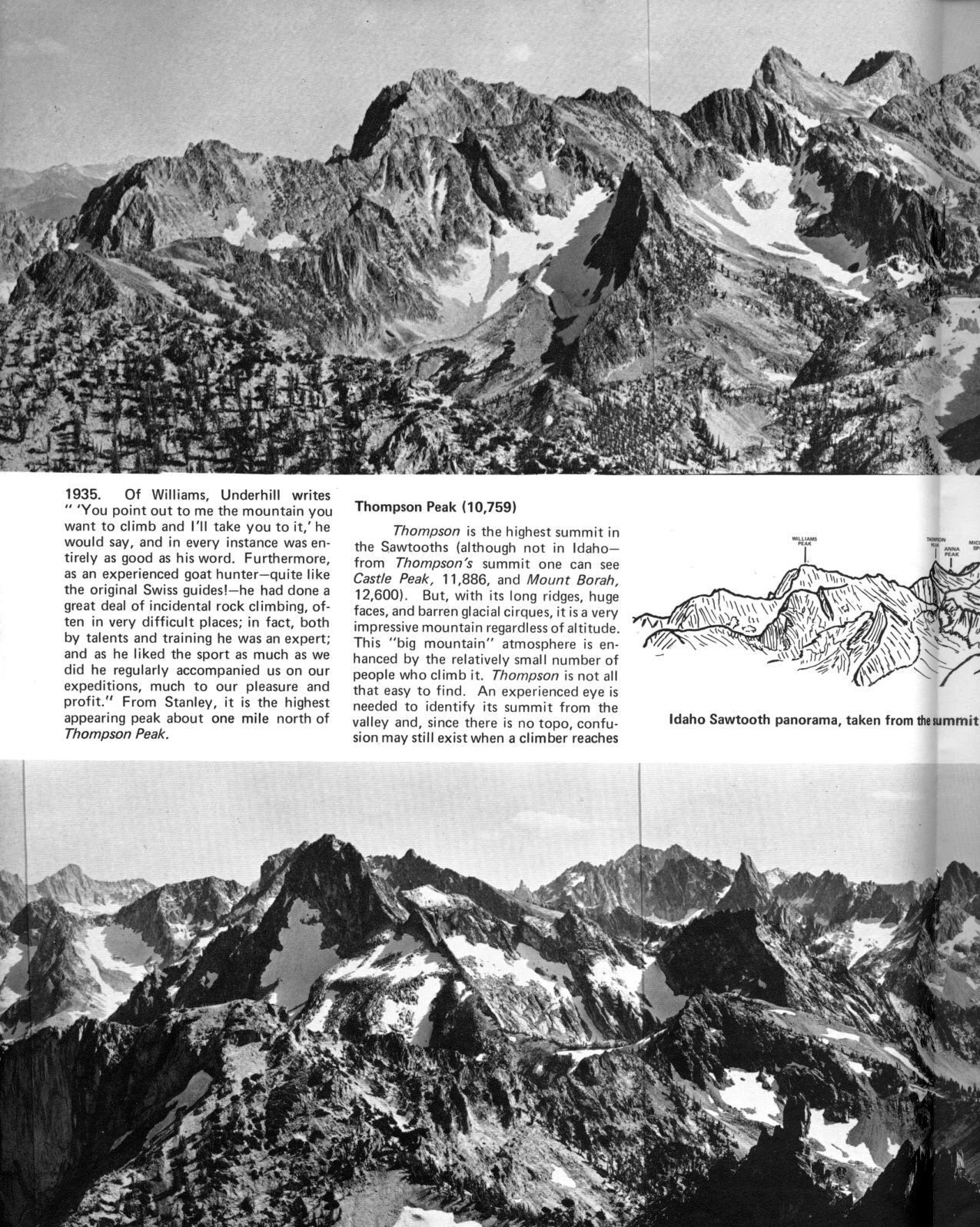
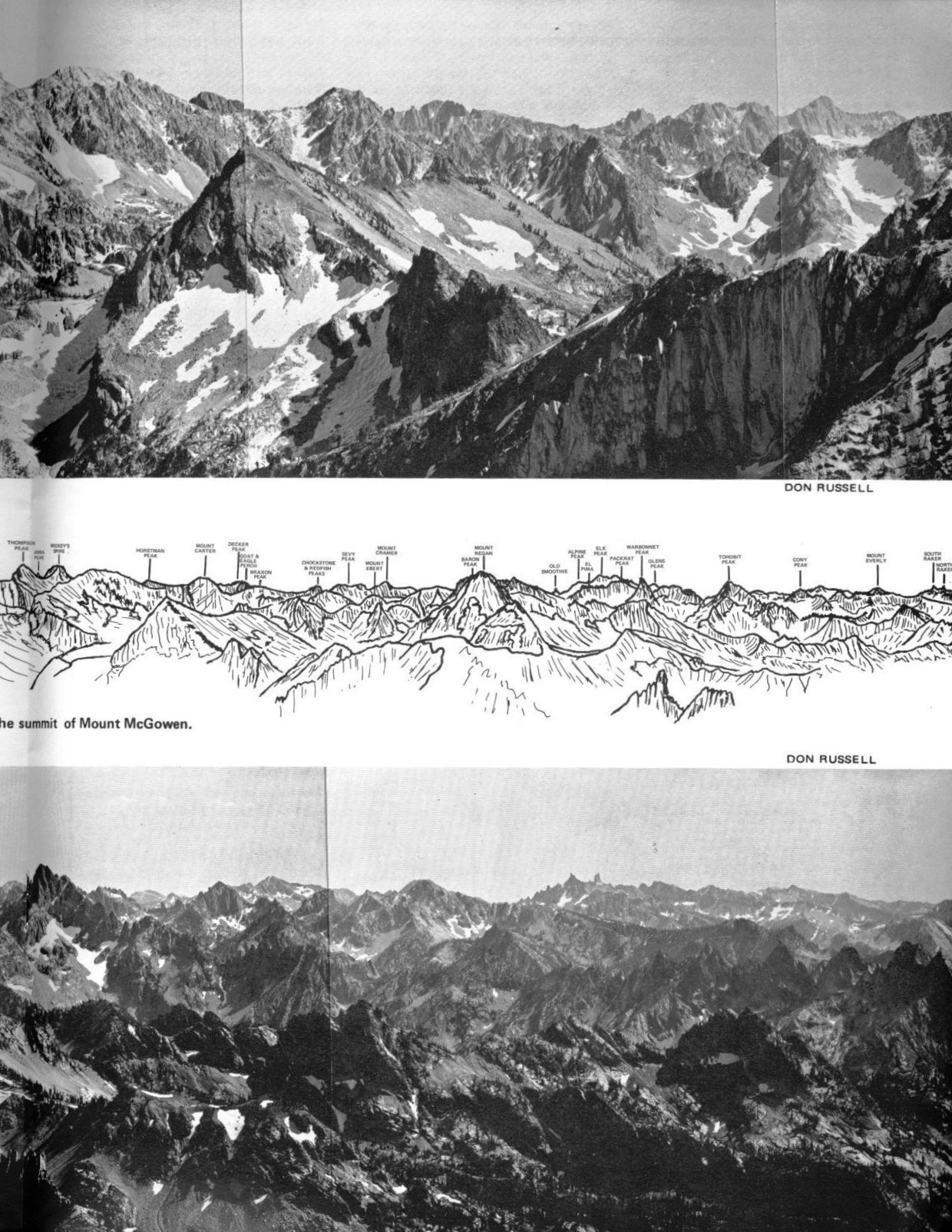
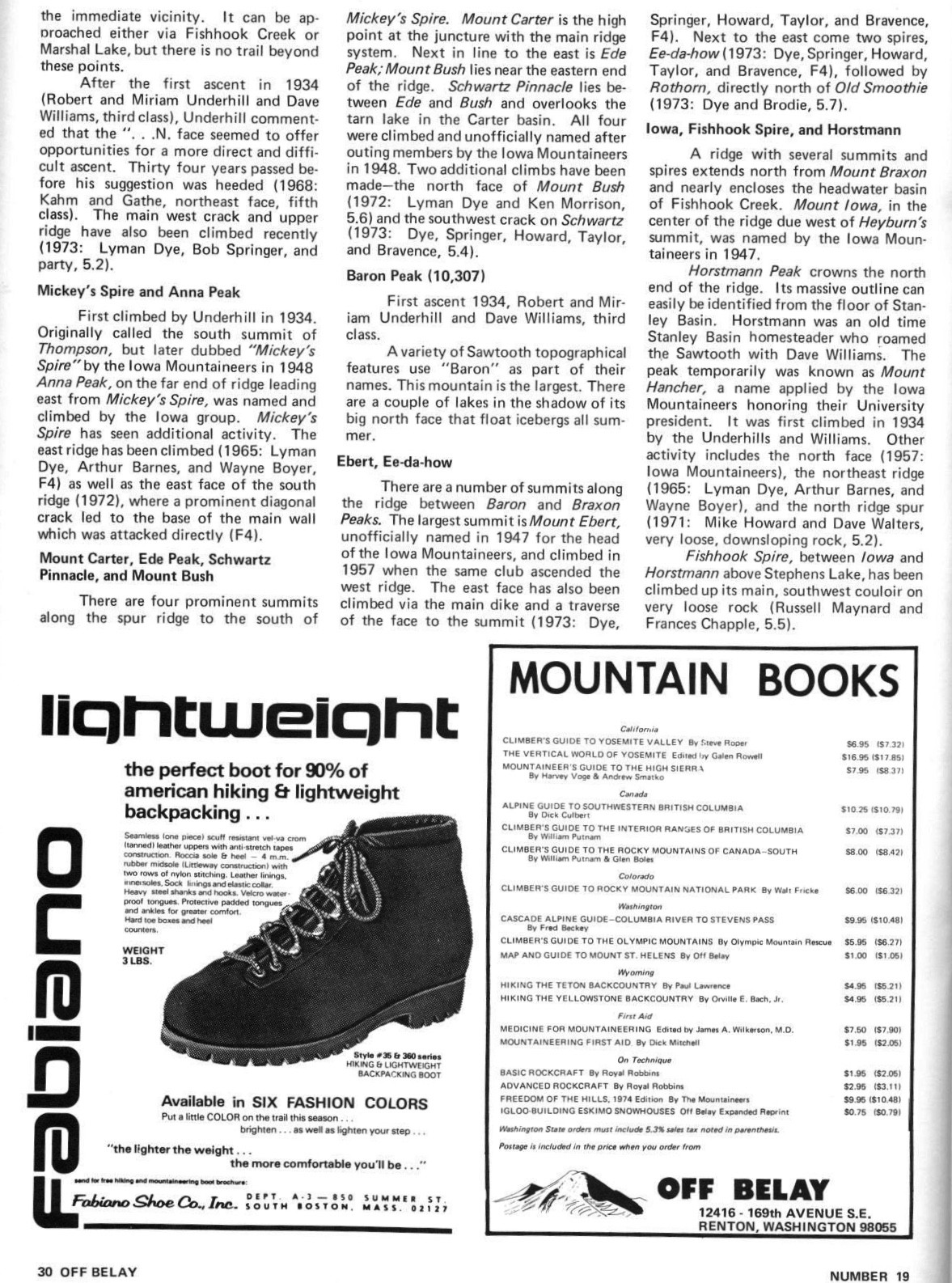
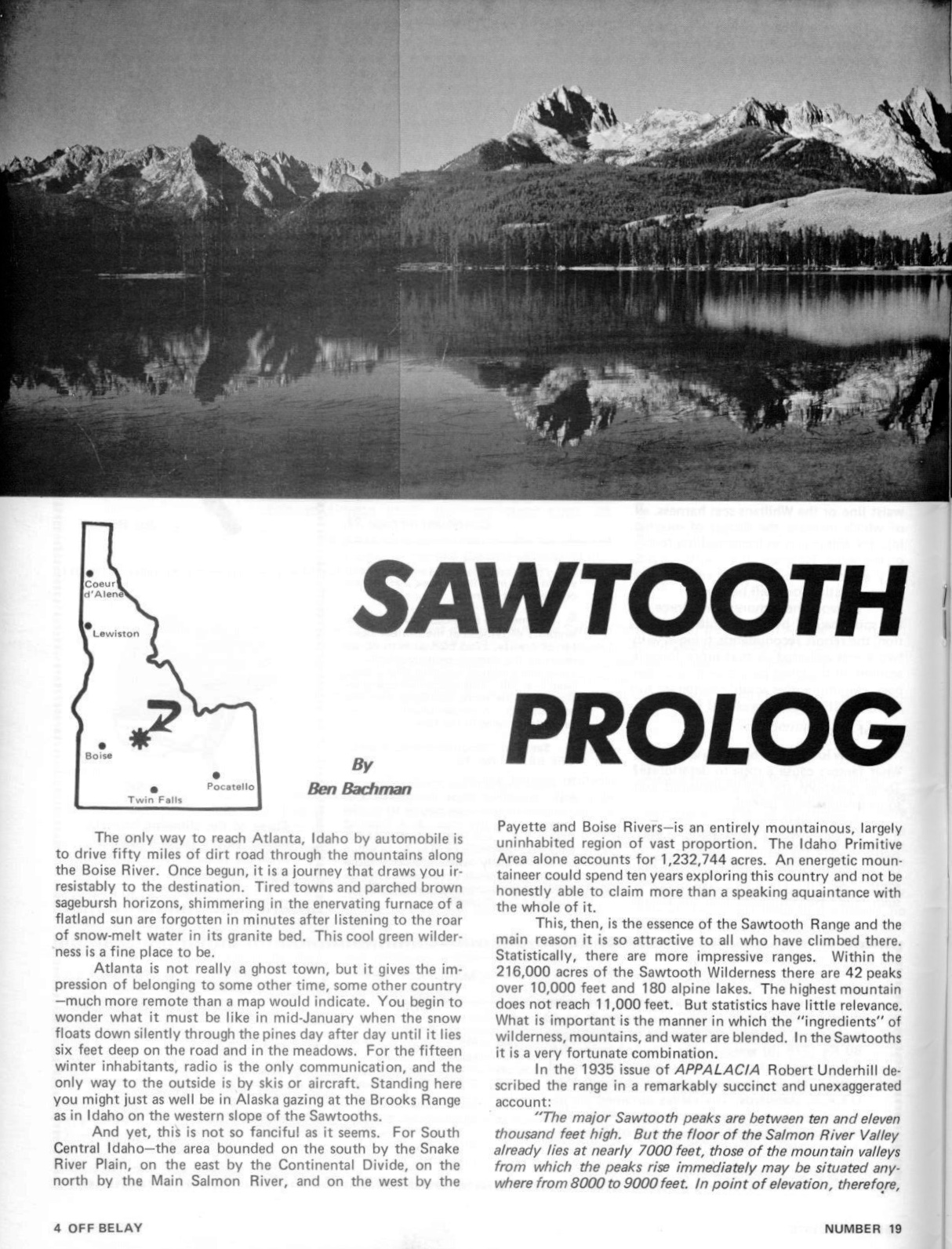
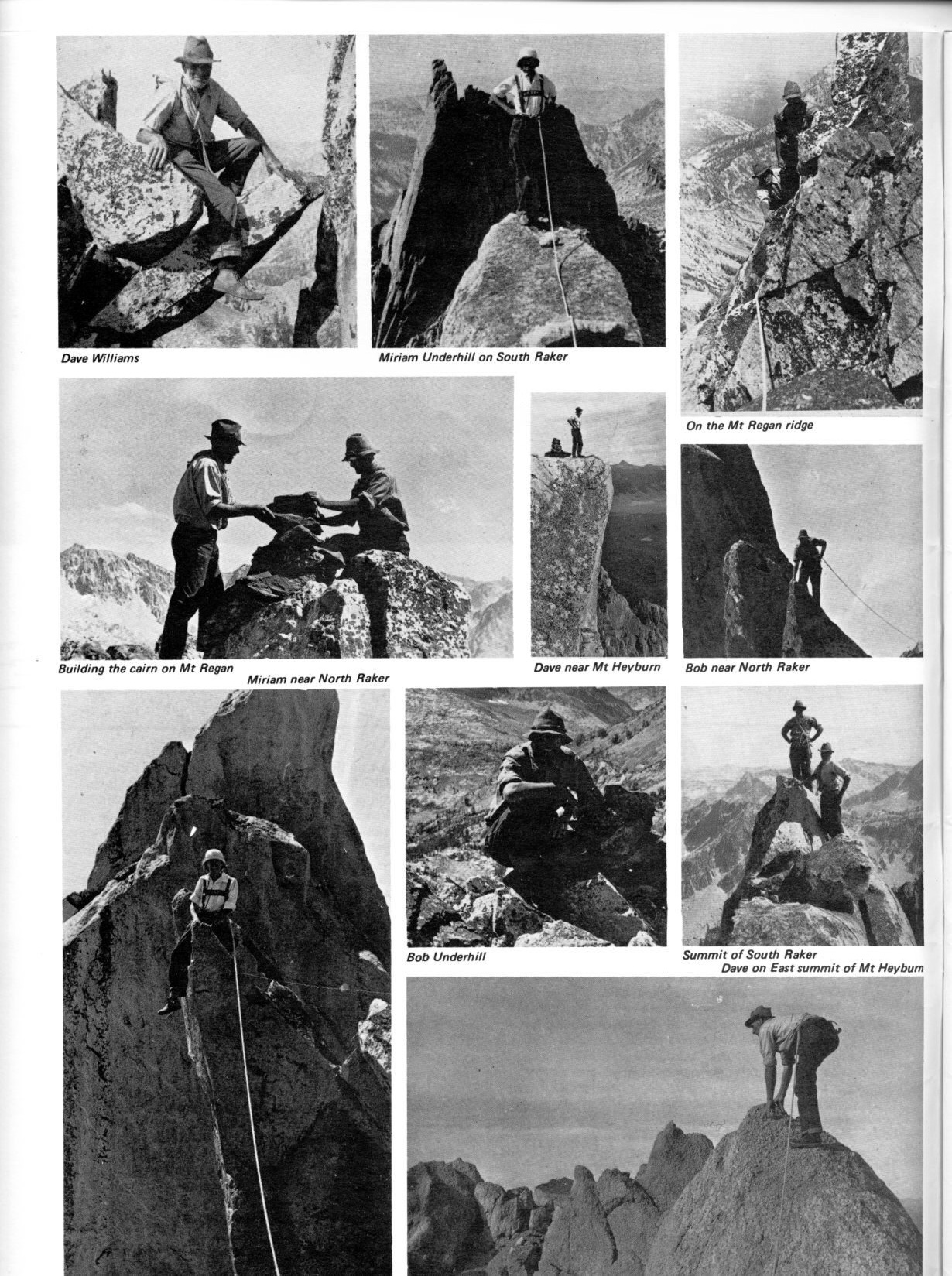
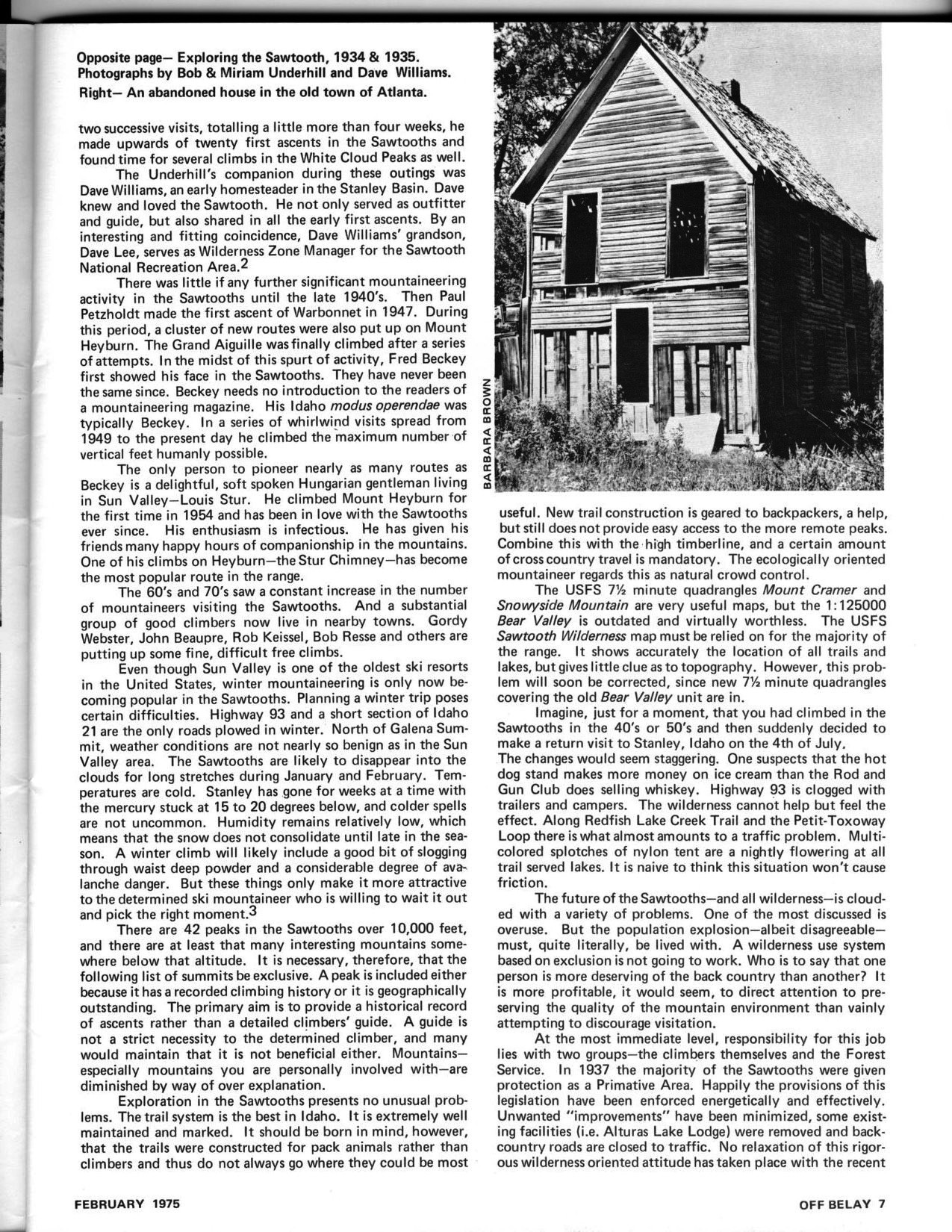
    Off Belay Magazine was THE climbing magazine of its day. The following articles contained the most extensive discussion of the Sawtooth Range yet published in 1975. Special thanks to Ray Brooks for providing the scans. (Click on the scans to enlarge)

  • The First Winter Ascent of Mount Regan

    The First Winter Ascent of Mount Regan

    The following newspaper article covers the first Winter ascent of Mount Regan. Joe Leonard has written an extensive account of this climb. See The Lost and Wandering to read Joe’s account which is an excerpt from his  2016 memoir The Son of Madam of the Mustang Ranch. Read more about Joe in the Contributors Section of this website.

    Click on the article for a larger version

  • The First Idaho Guidebook: Sun Valley Ski Guide

    The First Idaho Guidebook: Sun Valley Ski Guide

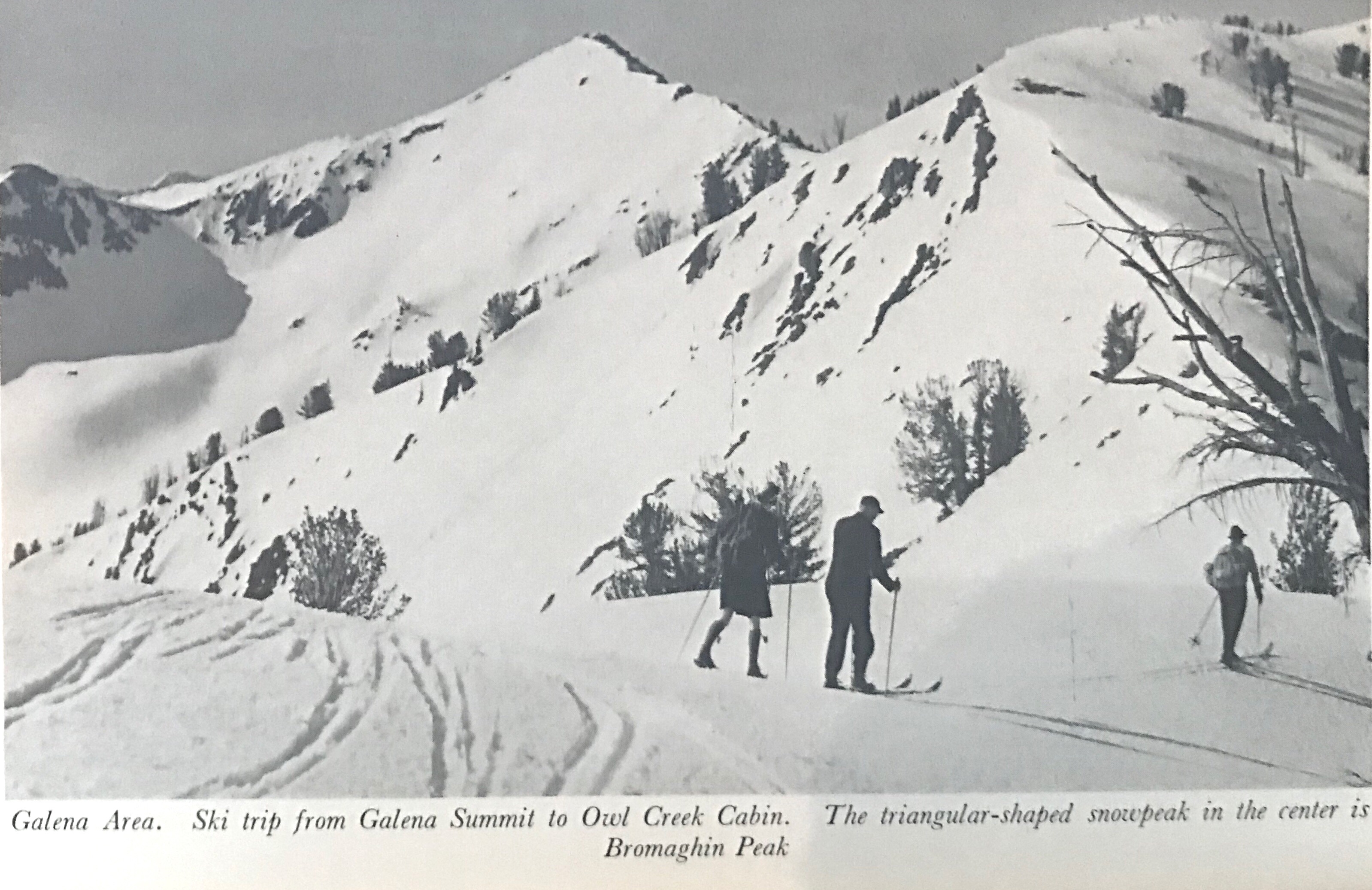
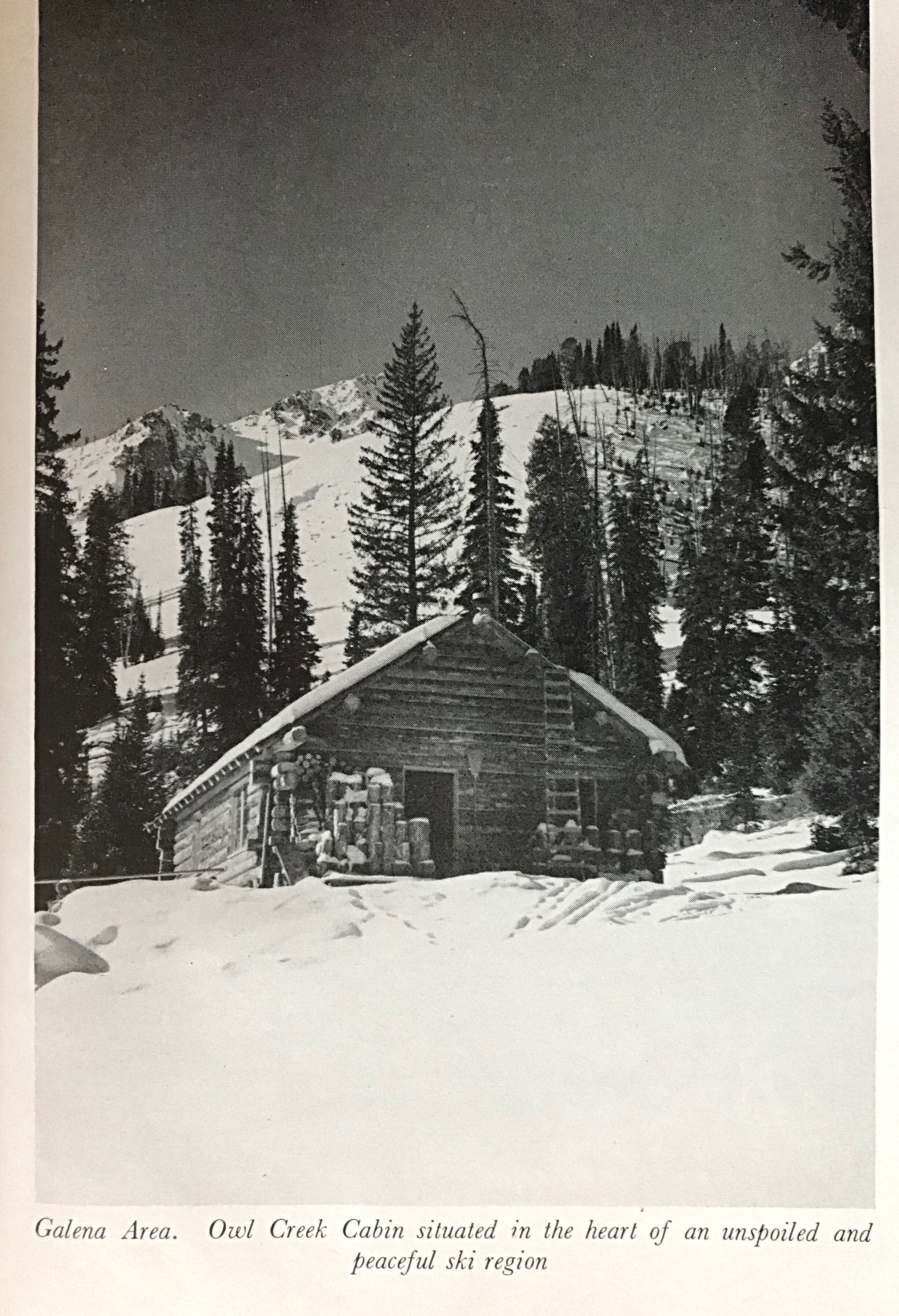
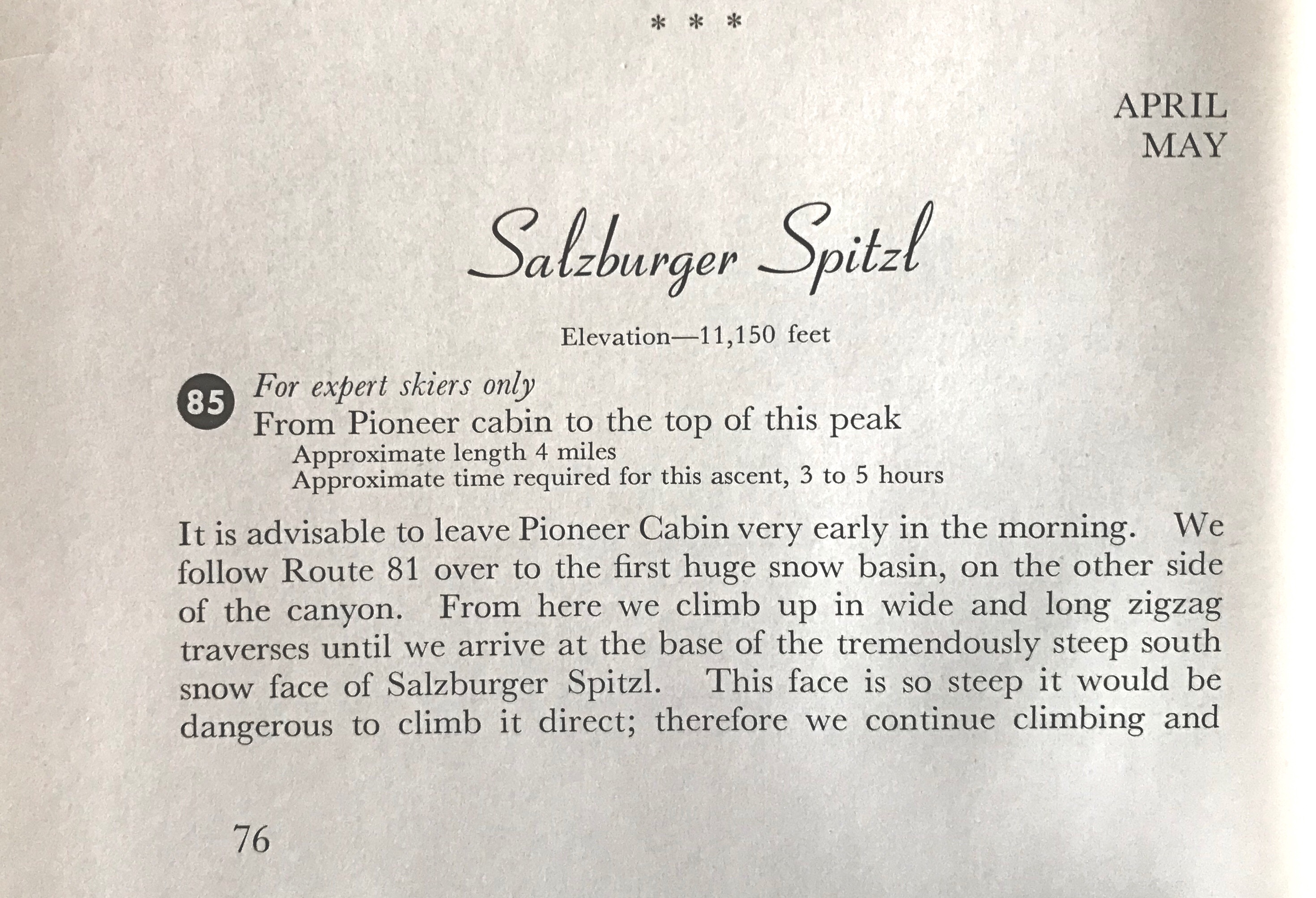
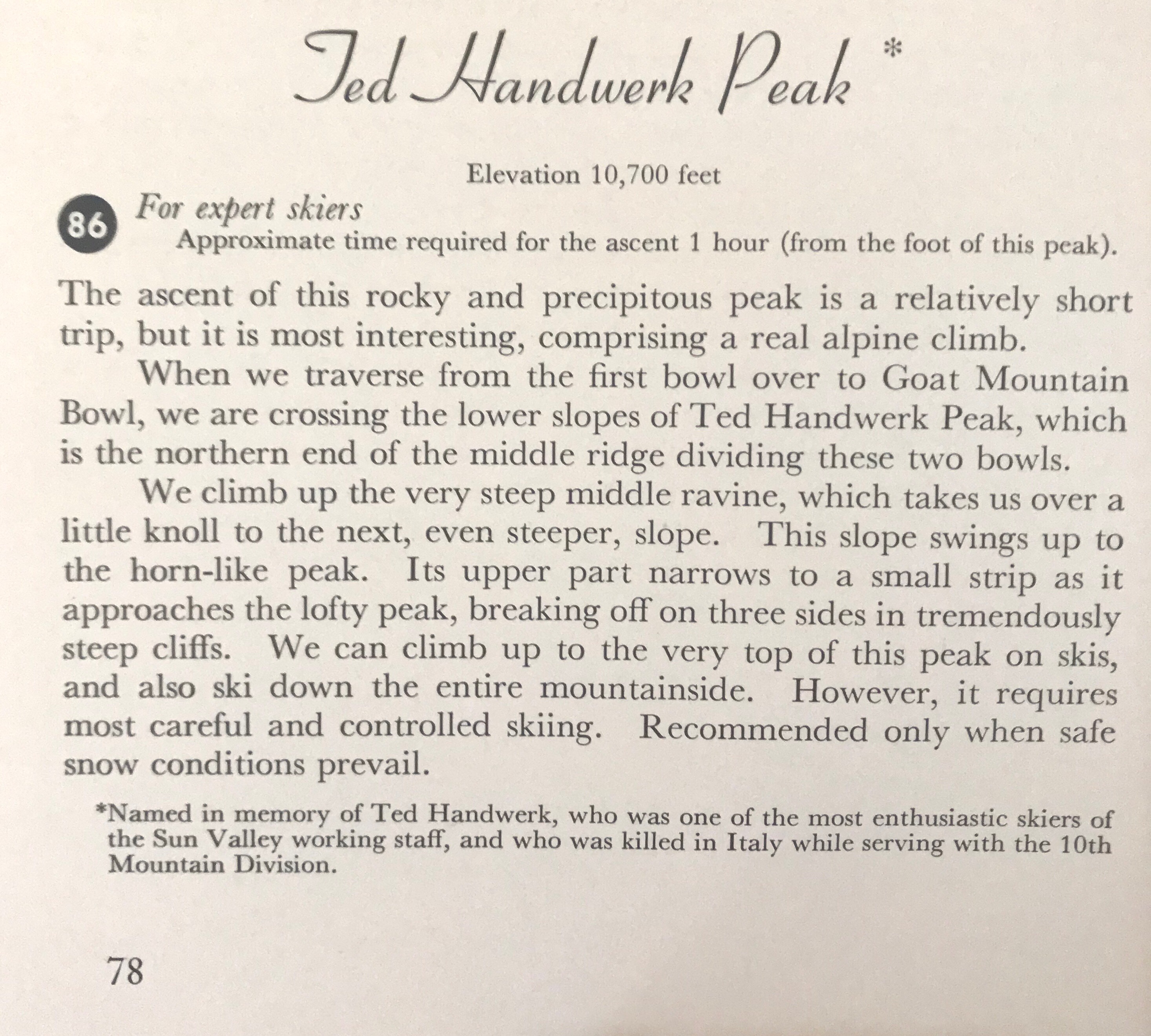
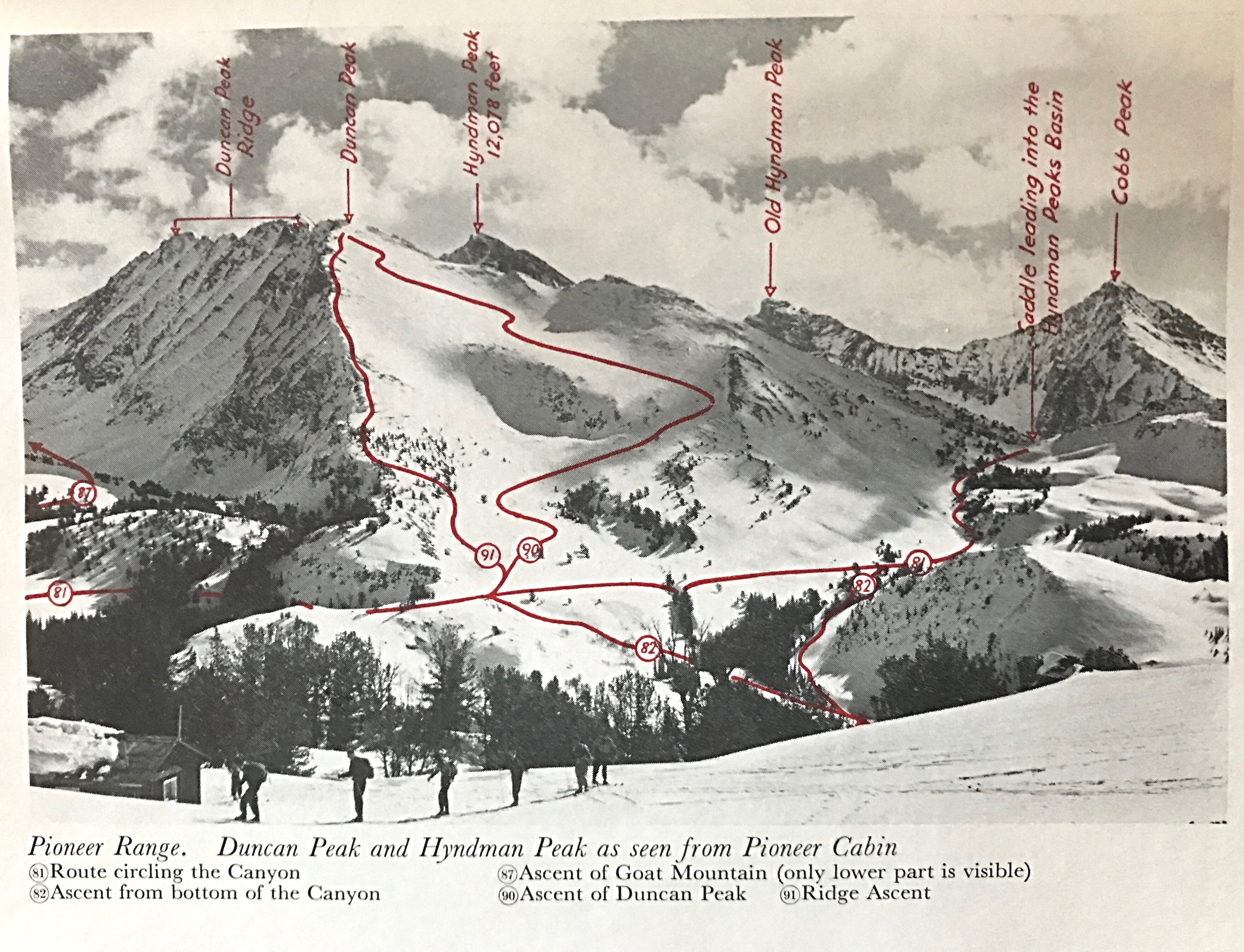
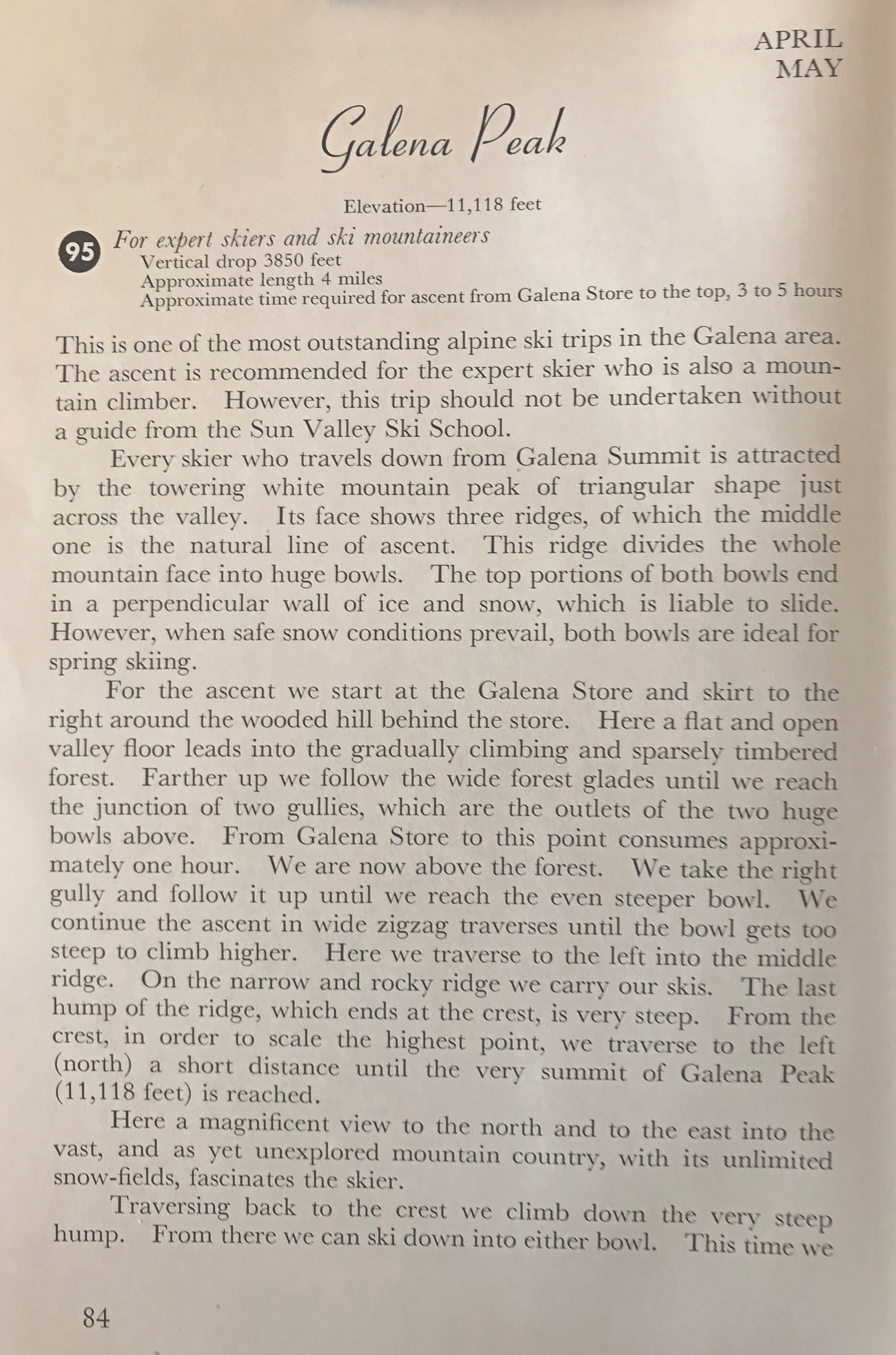
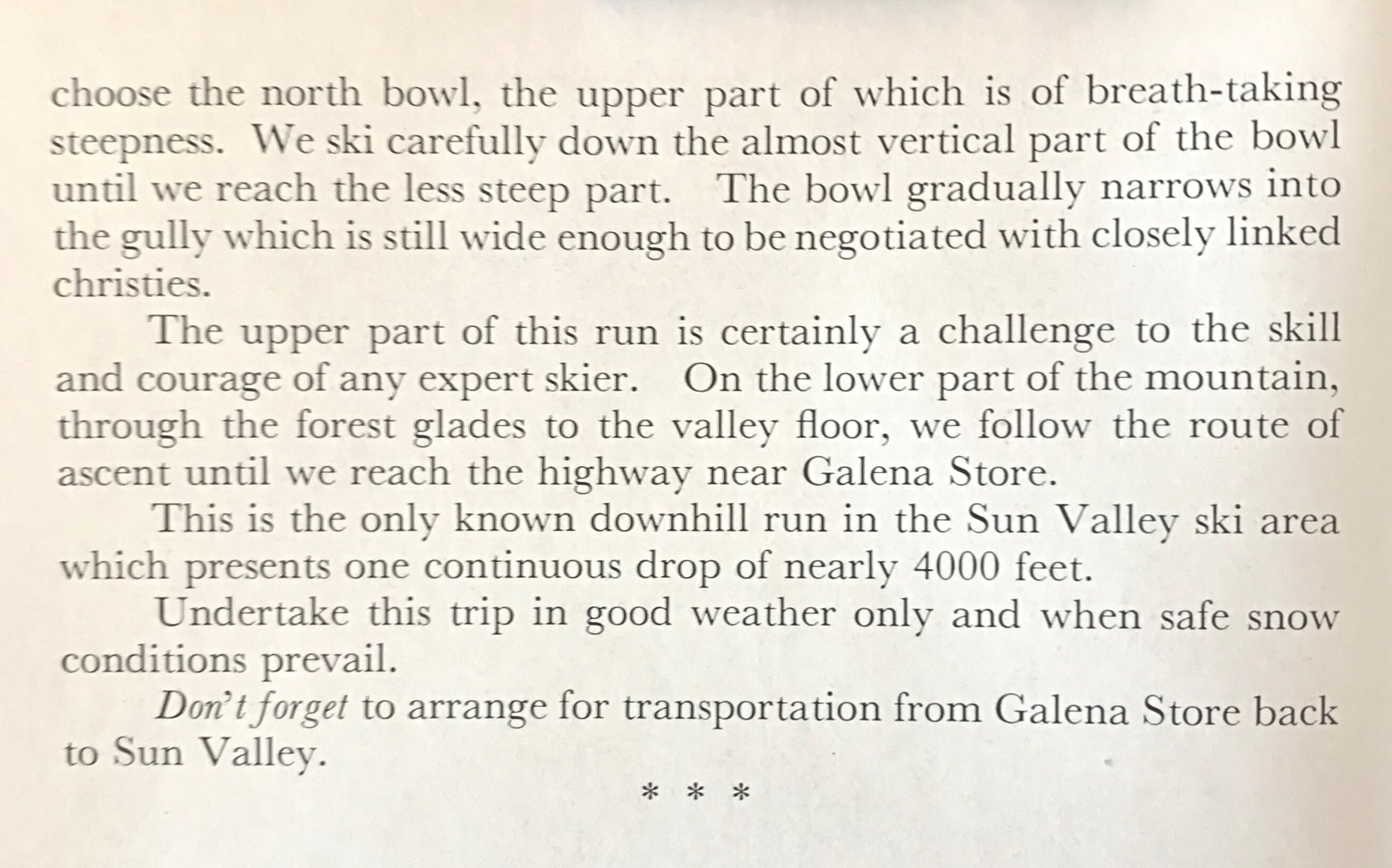
    The first Idaho backcountry skiing and Winter climbing guidebook, “Sun Valley Ski Guide,” was published in 1948. The book was authored by Andy Henning and published by the Union Pacific Railroad, the owner of the Sun Valley Resort. The book is long out of print and is hard, if not impossible, to find. However, there is a copy at the Ketchum library.
    The first section of the book describes the developed ski areas including Proctor Mountain, Ruud Mountain, Dollar Mountain and Baldy as they existed in 1948. The second section, entitled Spring and Summer Skiing, includes routes in the Smoky Mountains, the Boulder Mountains and the Pioneer Mountains. The book demonstrates that the mostly European ski guides hired by Sun Valley likely made the first Winter ascents of many of the peaks in these ranges.
    The following excerpts from the book are courtesy of Basil Service. (Click on the photos to enlarge)