Tag: 1970s

  • The First Ascent of the North Face of Snowslide Peak by Art Troutner

    The First Ascent of the North Face of Snowslide Peak by Art Troutner

    [Editor’s Note: Art Troutner is a pioneering Idaho mountaineer who was involved in many firsts in the 1970s including the first Winter ascent of Mount Borah. In this article, he writes about a difficult first ascent of the Lick Creek Range’s most compelling North Face.]

    On July 4th, 1973, Bill Whitman (19 years old) and I (18 years old) made the first ascent of the North Face of Snowslide Peak. We took my brother Jim Cockey’s rack of Lost Arrow pitons and around ten Bongs and my diminutive rack of nuts and chocks along with one 90-foot length of Goldline nylon rope and an assortment of white slings, also on loan from my brother.

    When my brother had gone off to college, he loaned his climbing equipment to Bill who was forever borrowing it to climb Slick Rock. We suspected Bill’s infatuation with Slick Rock was more often than not used as a ploy to introduce some young lovely to the wonders of rock climbing. We hoped the best for Bill in his endeavors but never found out the results as he was not a braggart. All the same, due to his frequent infatuations, he racked up quite a lot of rock time on Slick Rock. So Jim figured Bill was a worthy recipient of the gear. Lord knows I had considerably less of the gumption that Bill showed for getting out on the rock.
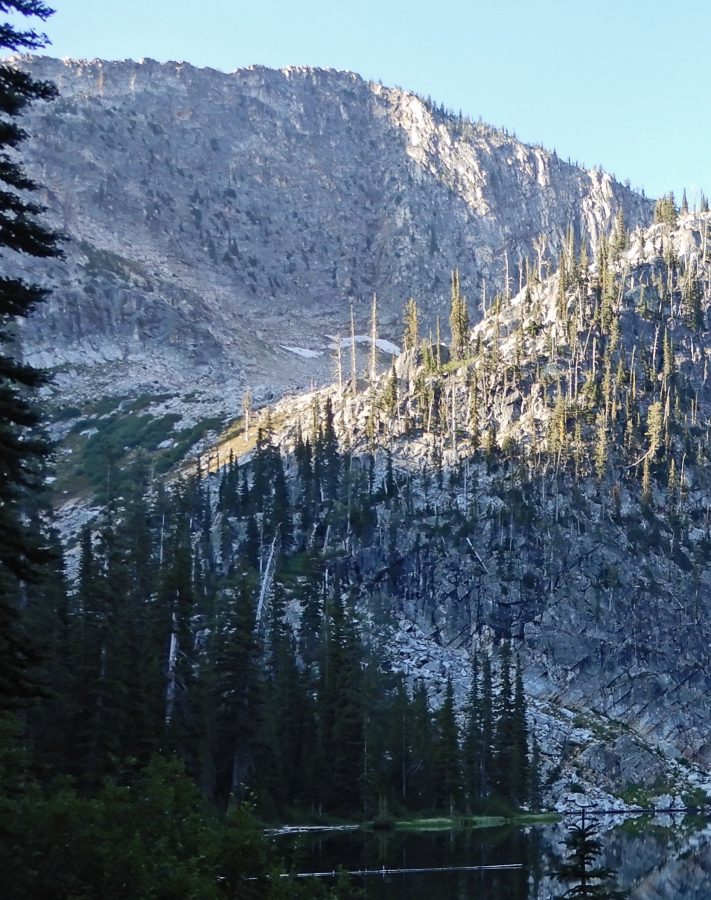
    The north face of Snowlide Peak. The V-climbed by Troutner and Whitman is just right of center. John Platt Photo
    The North Face of Snowlide Peak. The V-climbed by Troutner and Whitman is just right of center. John Platt Photo

    All the same, I was intrigued by Snowslide’s imposing North Face and thought it was something I’d like to work up to. The fact that none of us knew anyone who had climbed it was an incentive that was hard to ignore. When I was 16, I was working on a house my dad and uncle were working on in Stanley, I used my free time to started gaining some climbing experience in the Sawtooths. 
    Art and Jerry on the way to start the Open Book. Art Troutner Photo
    Art and Jerry on the way to start the Open Book. Kathy Troutner Photo

    Now comes some jostling of my memory as to the sequence of events, but I believe the house construction was the same Summer that Jerry Osborn and I attempted the Finger of Fate, climbed the Stur Chimney Route on Heyburn, and climbed the back side of Finger of Fate.
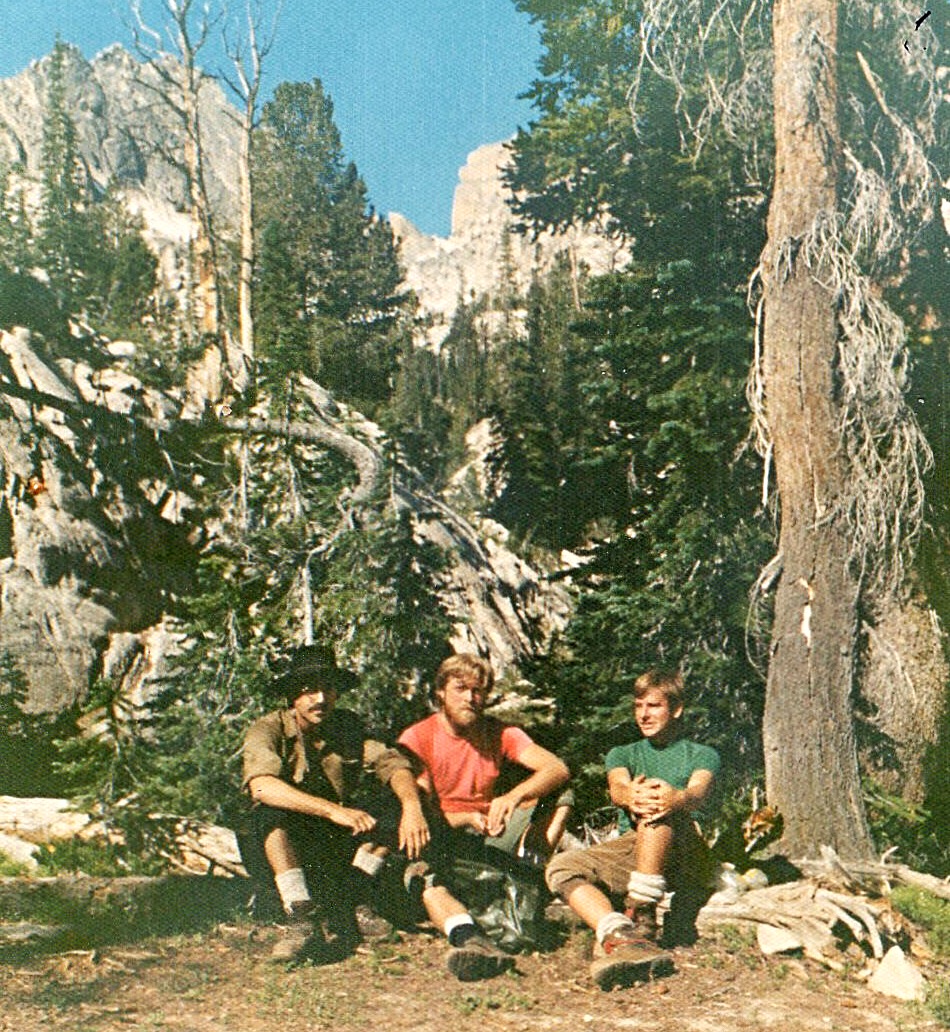
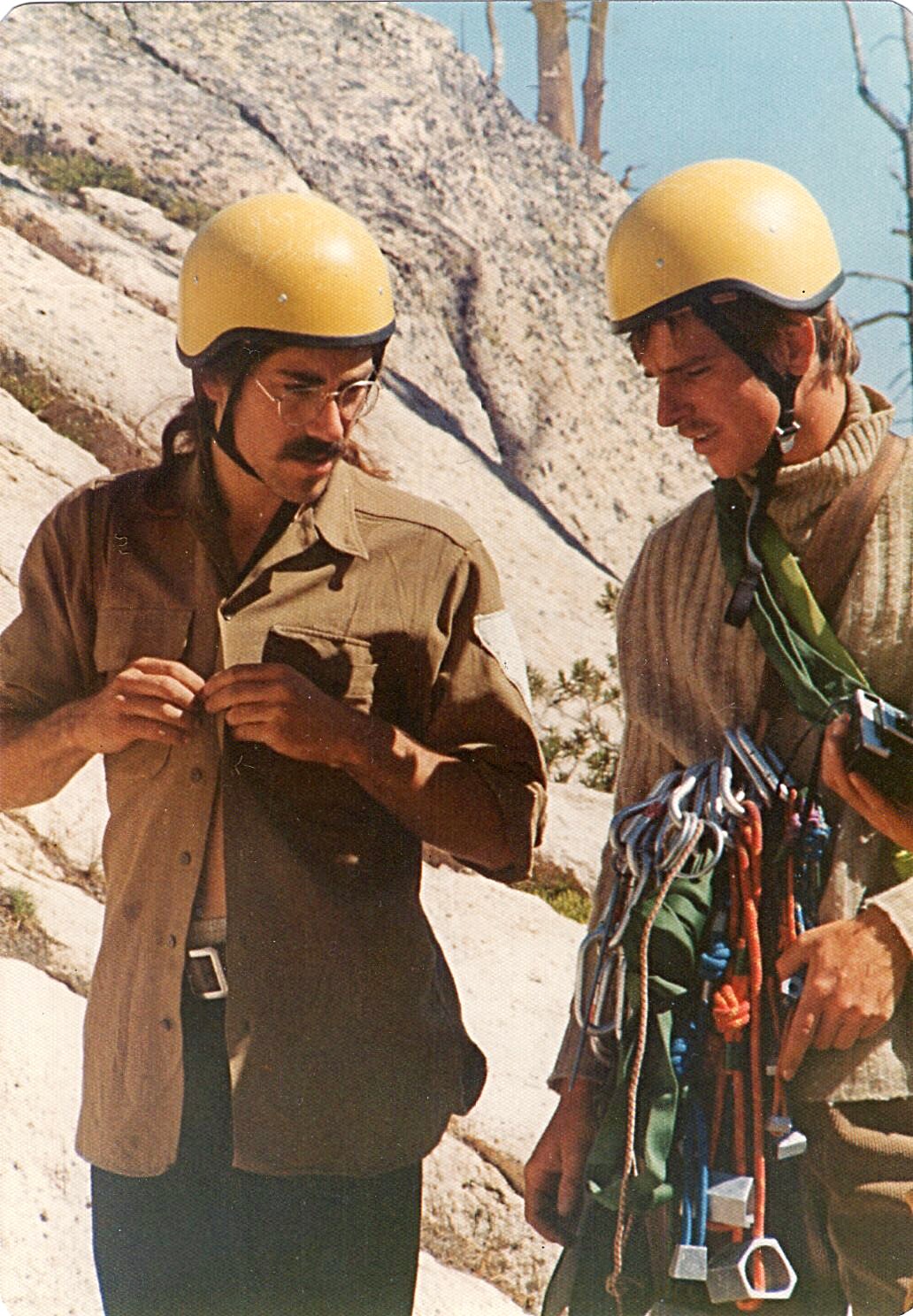
    From left to rigjt, Art Troutner, the photographer and Jerry Osborne. Art Troutner Photo
    From left to right: Art Troutner, the photographer and Jerry Osborne. Art Troutner Photo

    Jerry lead the first pitch which, though not very exposed, is the most technical pitch. From there we traded leads. We used 2 ropes and 3 climbers. Jerry brought along a photographer acquaintance who we roped up between us.

    The attempt on the Finger of Fate involved a nasty slog in overripe Spring snow. I feel that we, in our utter ignorance, were smiled upon by the gods as I now know that the snow should have slid and ended my little story right there. At some point in the day, we realized our predicament and shifted over to the south a bit to some thin snow and navigable rock where we “felt” safer in our retreat to our sodden camp. We avoided a possible disaster and learned a lot from the experience.

    So working up to the Snowslide climb included a couple trips up the Open Book on the Finger and a trip up Warbonnet with Pierre Saviers. One of the Open Book excursions was in September 1972. This was a 2-team effort that met at the top for a group photo which included one of our party (Tom McLeod) posed while intensely studying his Physics book. Tom’s photo won the honor of gracing the Wall behind our physics teacher’s desk.

    Anyway, by the time July 1973 rolled around, I must have felt enough seasons had taken place to attempt the dark and vertical North Face of Snowslide Peak. The day of the climb we were up at dawn, drove my Mom’s Citroen at speed to the trailhead and were hiking by 7:30AM. About 45 minutes later, we arrived at the lake and made our way around to the base. Here we encountered the permanent snow field (not anymore) that wedged up against the start of the climb. This was a favorite boot glissading spot on previous trips to the lake.
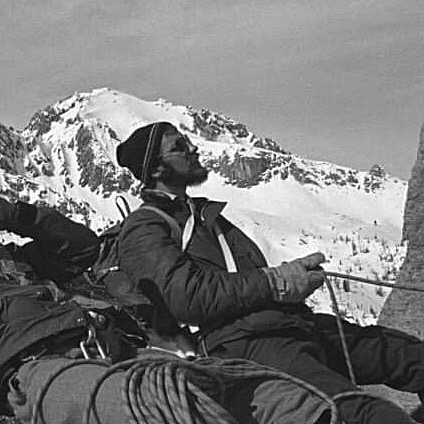
    Bill Whitman on a winter climb of the Finger of Fate.
    Bill Whitman on a Winter climb of the Finger of Fate.

    The “route” from here was pretty simple. The face is concave but trending to a V shape on its right side. As long as we stayed in the V we knew it would lead us to the high point of the face. As the face is very fractured for its entire length we just ascended what looked easiest and didn’t stray too far left or right. There were plenty of holds but many of them were loose. We had to be very careful to not drop any rocks down the face as we belayed. All in all, it was not pleasant rock to deal with. We never felt very confident in the protection or the belay anchors we set. 

    The overall face is very steep with several small, reach-over type, overhanging ledges. Fortunately, there were places where we could gather our wits a bit and rest. I remember them as pockets where 2 could sit. The rock was consistently loose until a couple of rope lengths from the top where things improved. 

    As it is a north facing, very steep face, the temperatures for the 4th of July were quite cool. While climbing, we watched folks at the lake bathing. It seemed quite incongruous but also somehow reassuring or even comforting to see some normality as we felt quite cut off from that. 

    We realized early on in the climb that retreating off this thing did not present a pretty picture. The realization was that the best way down was up. So, we got lucky. The face was consistent: loose holds and steep, but doable. Just had to pay attention to the holds and not drop anything on the belay man.

    We got to the top around 3:30PM to the sounds of bleating sheep who were grazing unconcernedly right up to the 800+ foot drop. We were elated to have arrived! The sheep not so much. Our reward? Beer and Brass Lamp pizza by 6:00PM.
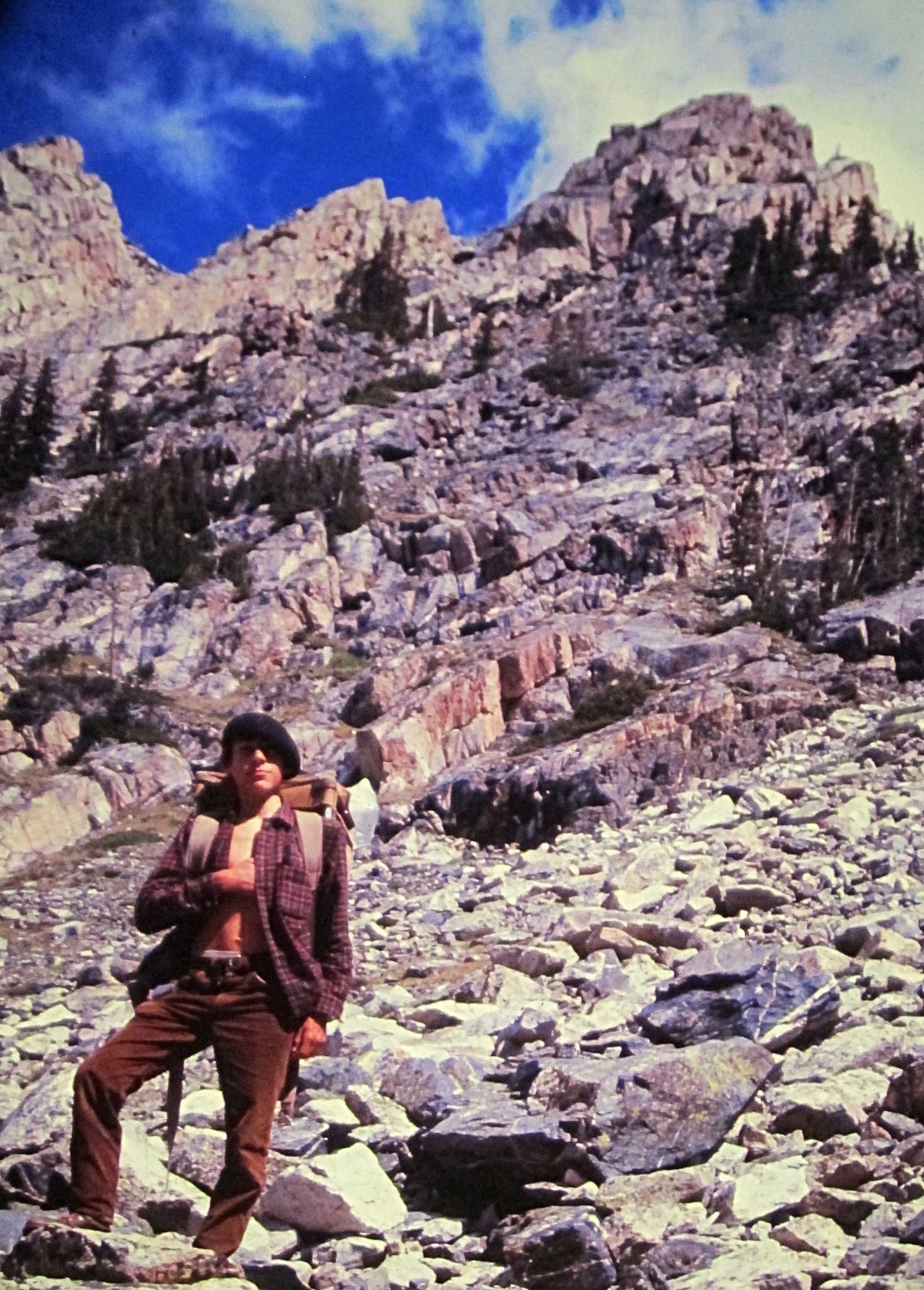

    Art Troutner “back in the day.”
    Art Troutner at 15.
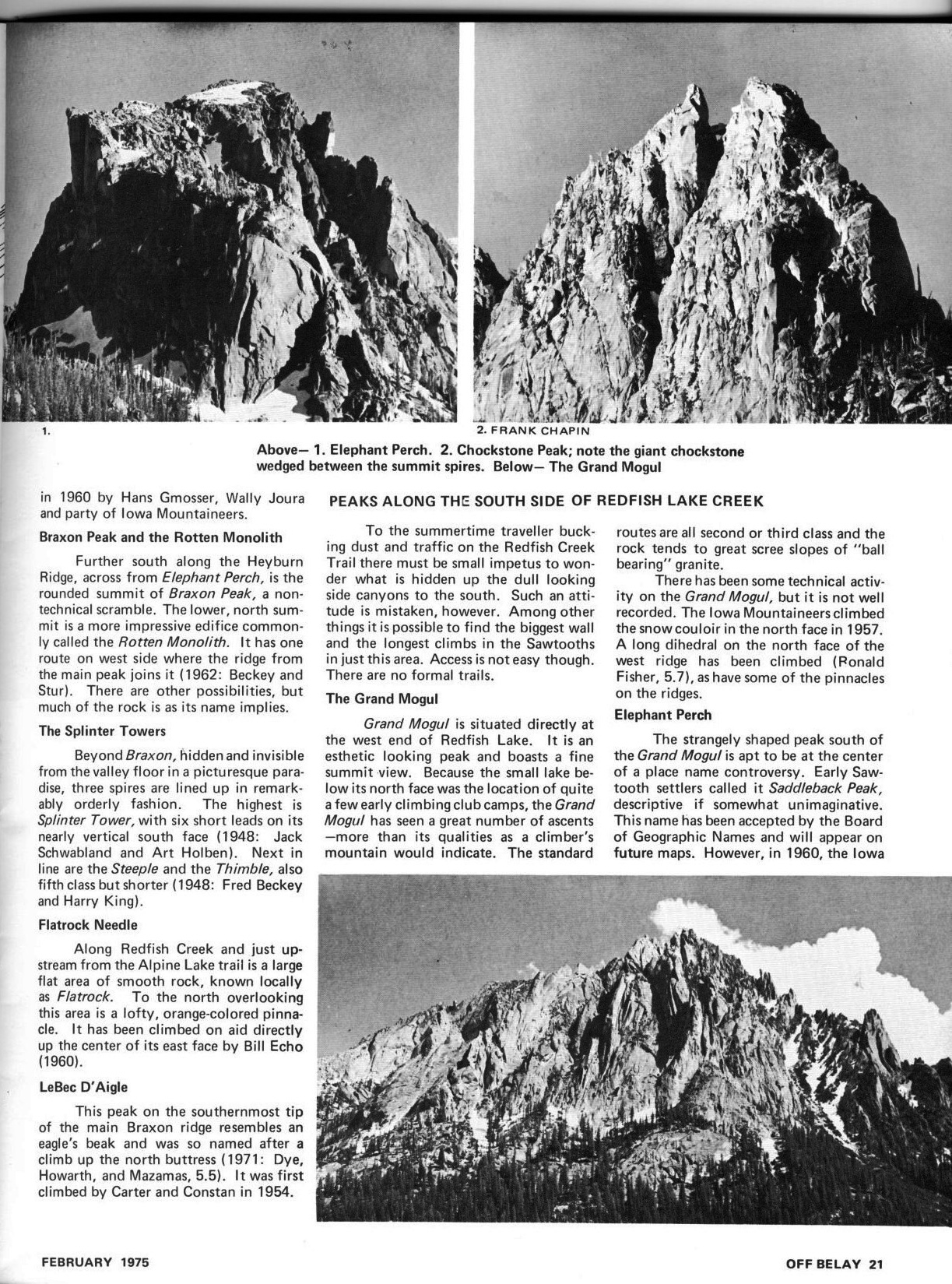
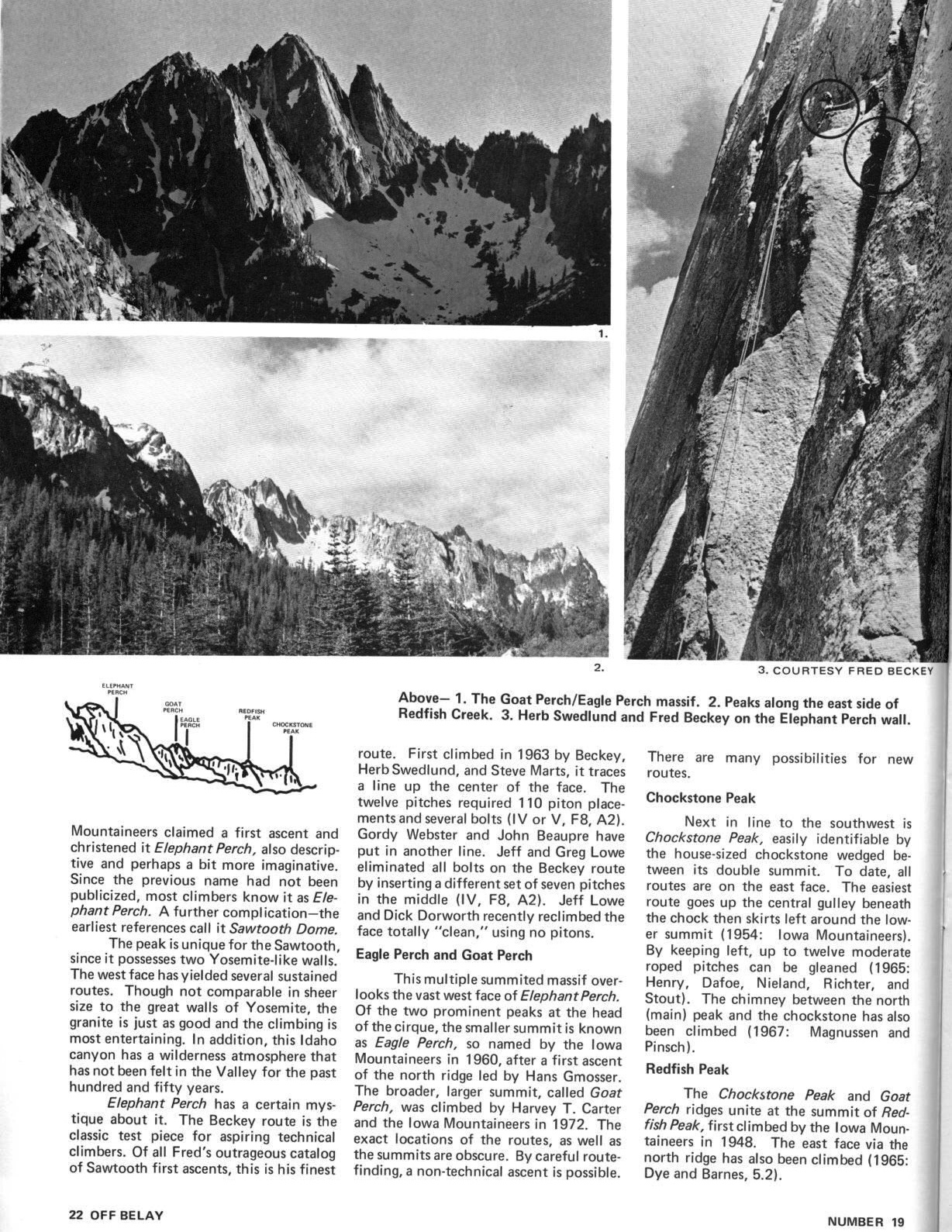
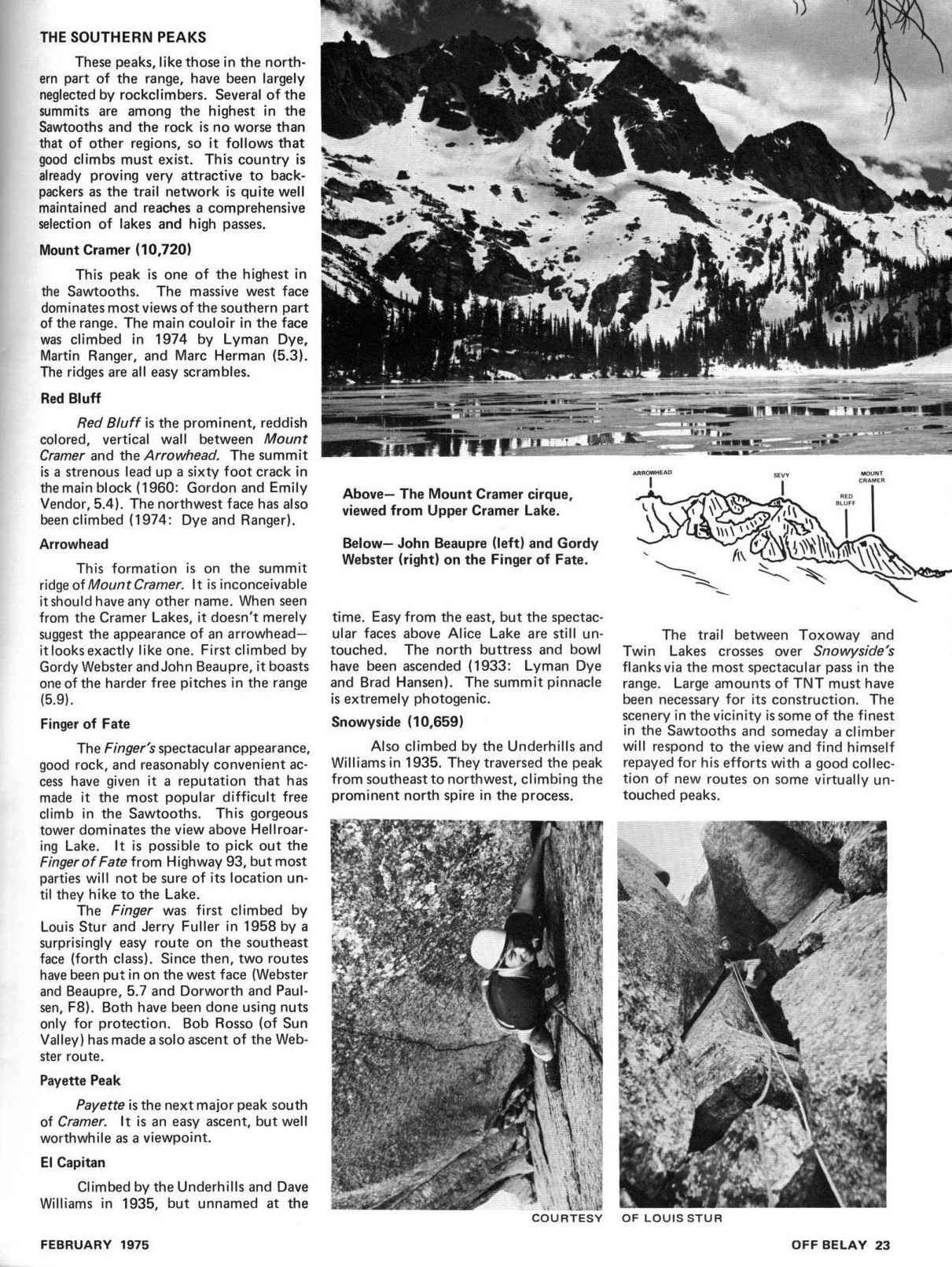
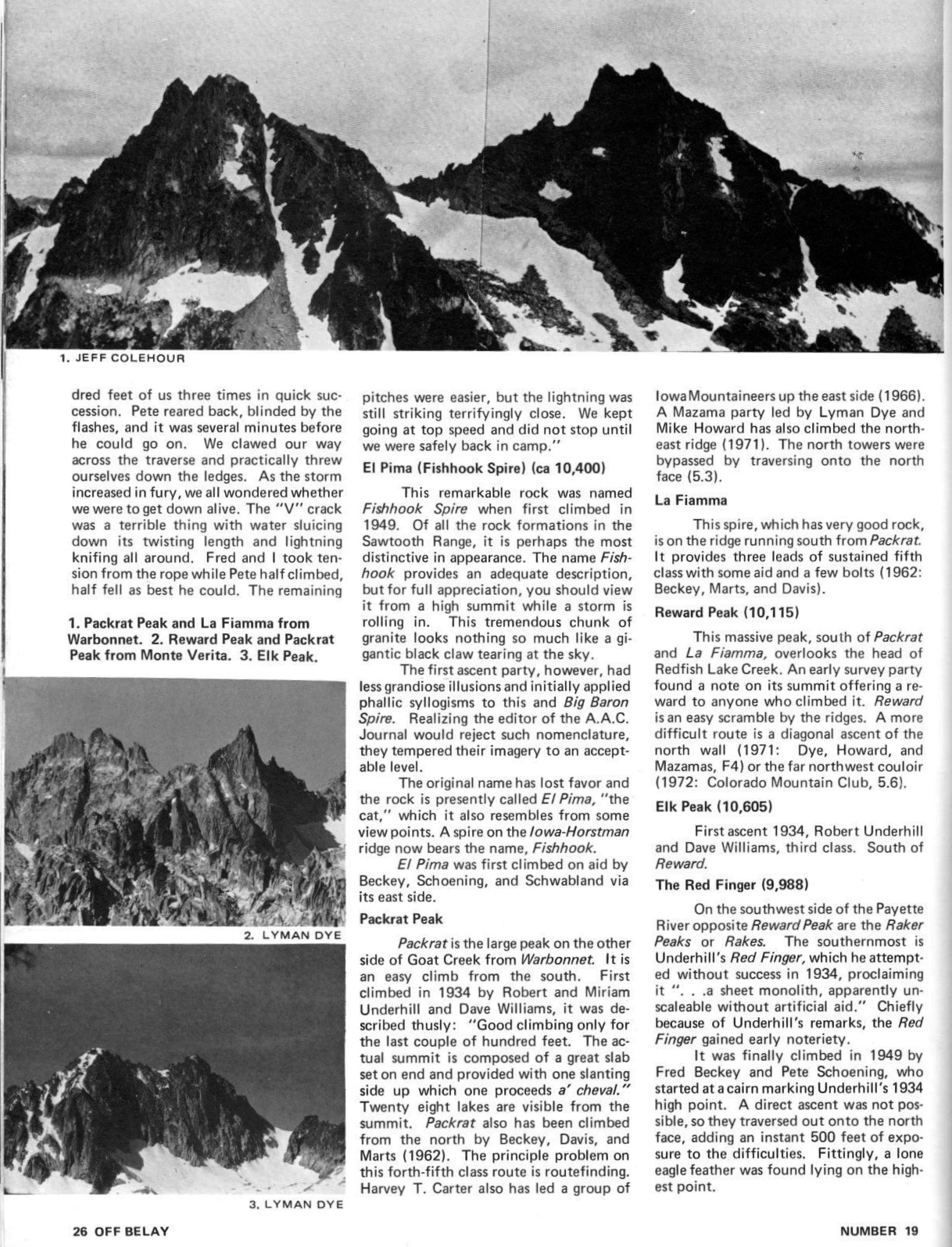
  • Off Belay Magazine —The Sawtooth Issue 1975

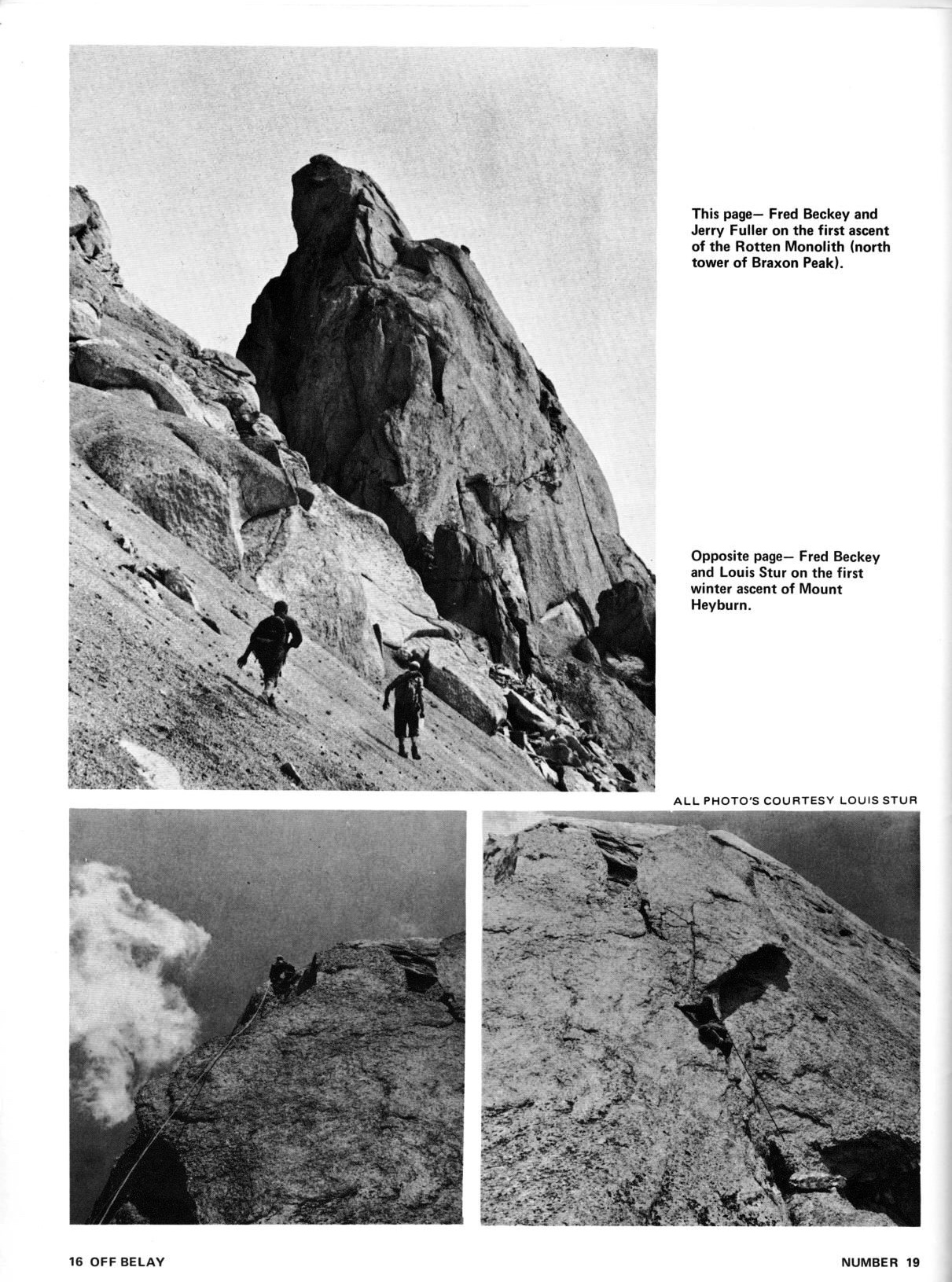
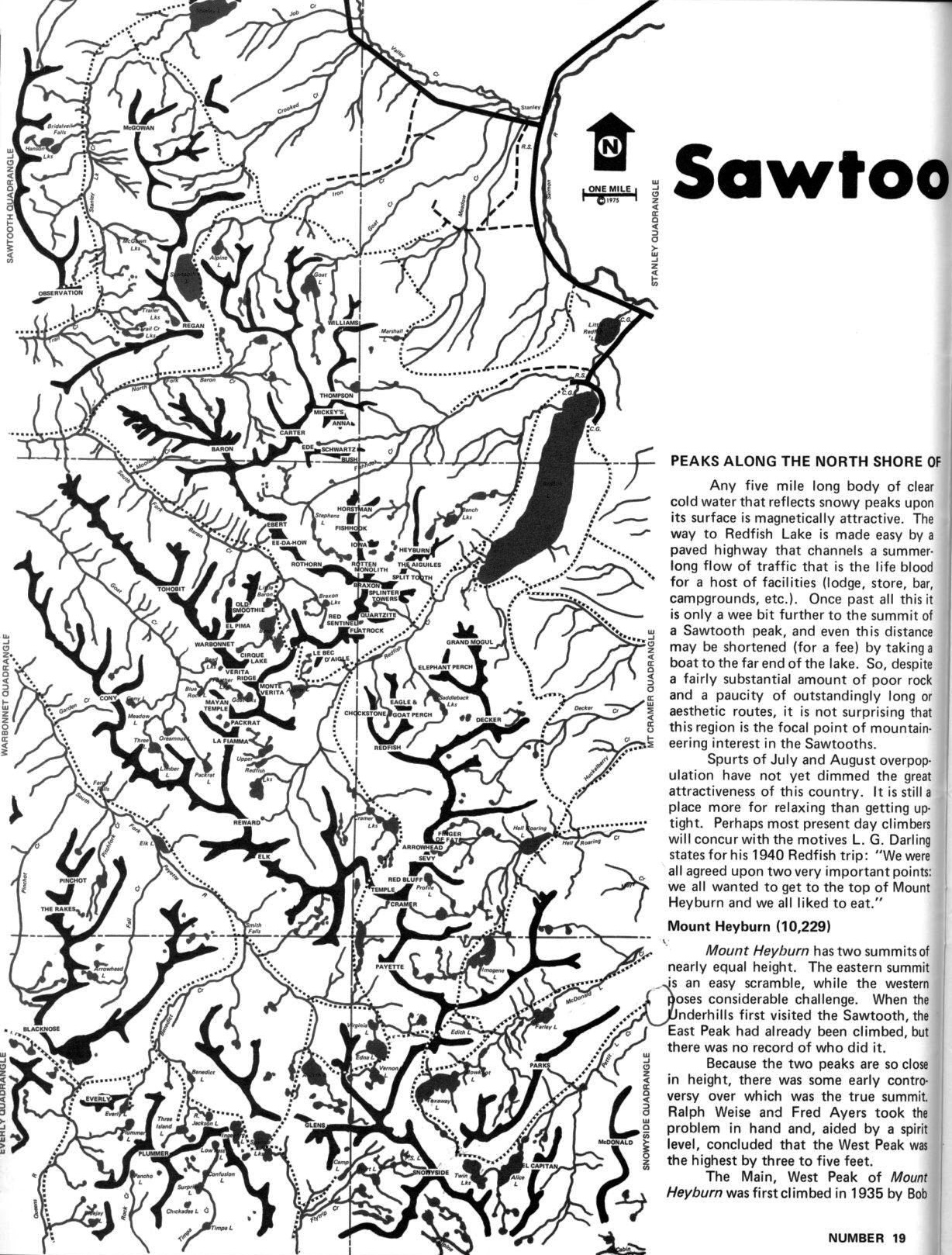
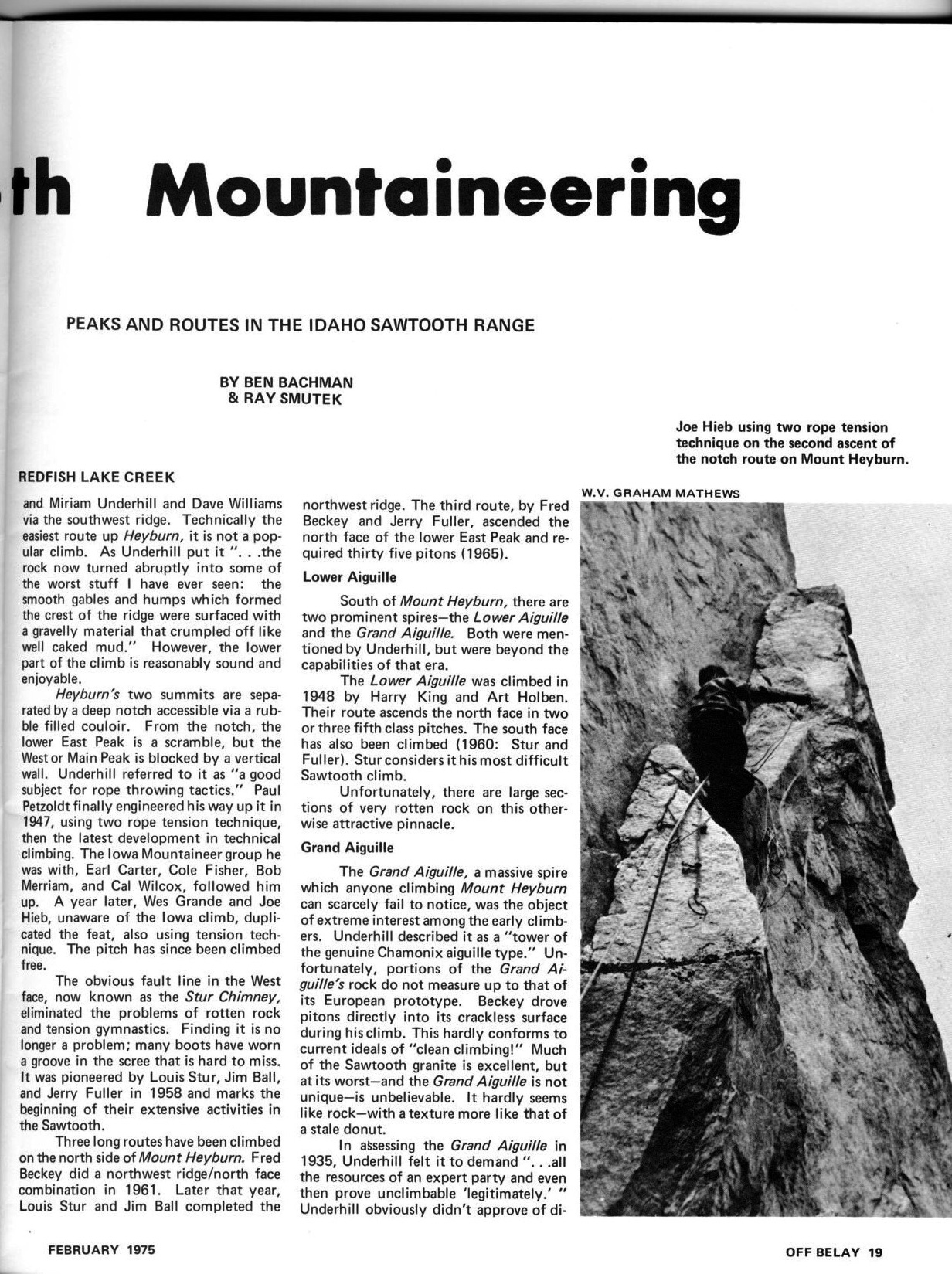
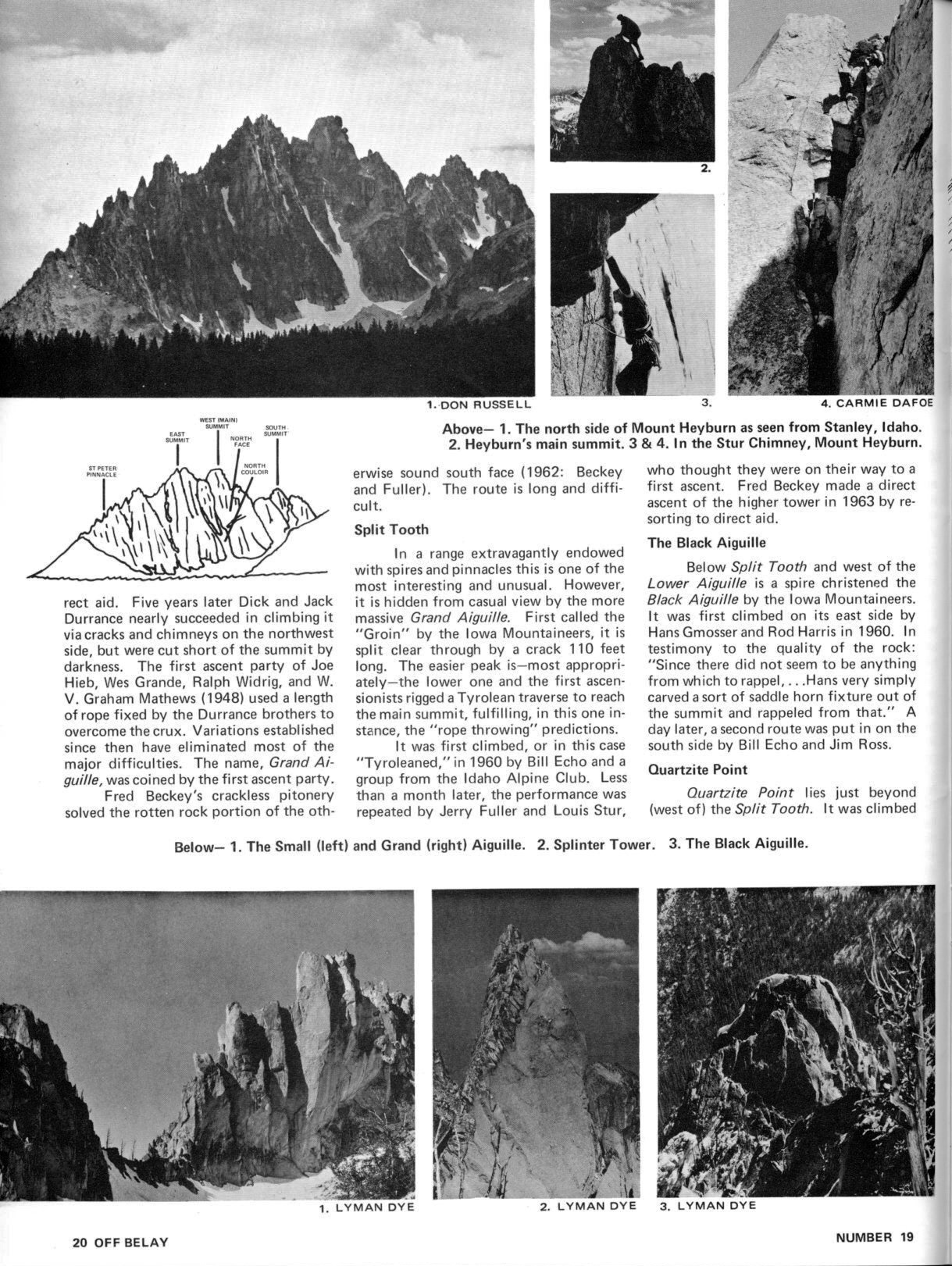
    Off Belay Magazine —The Sawtooth Issue 1975

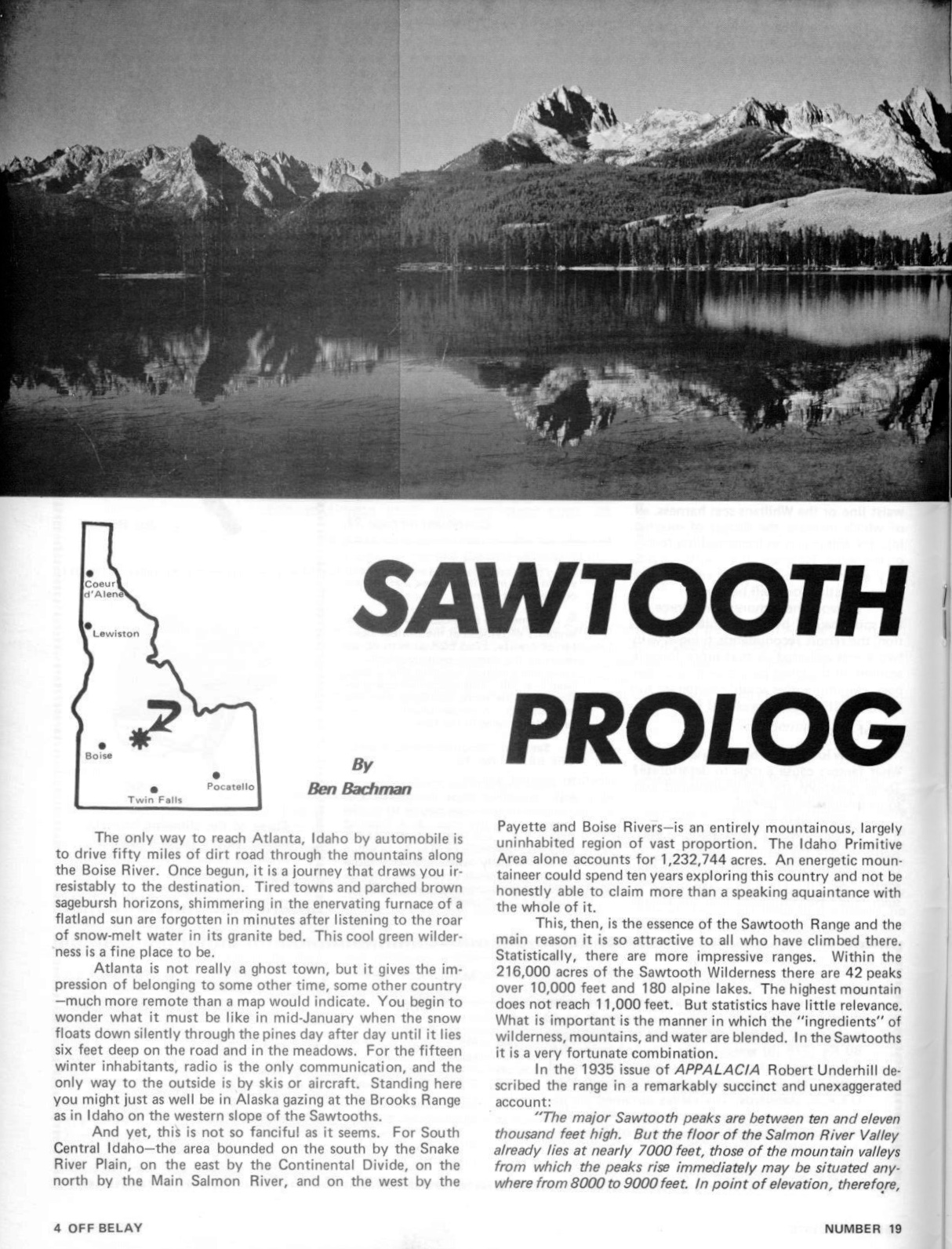
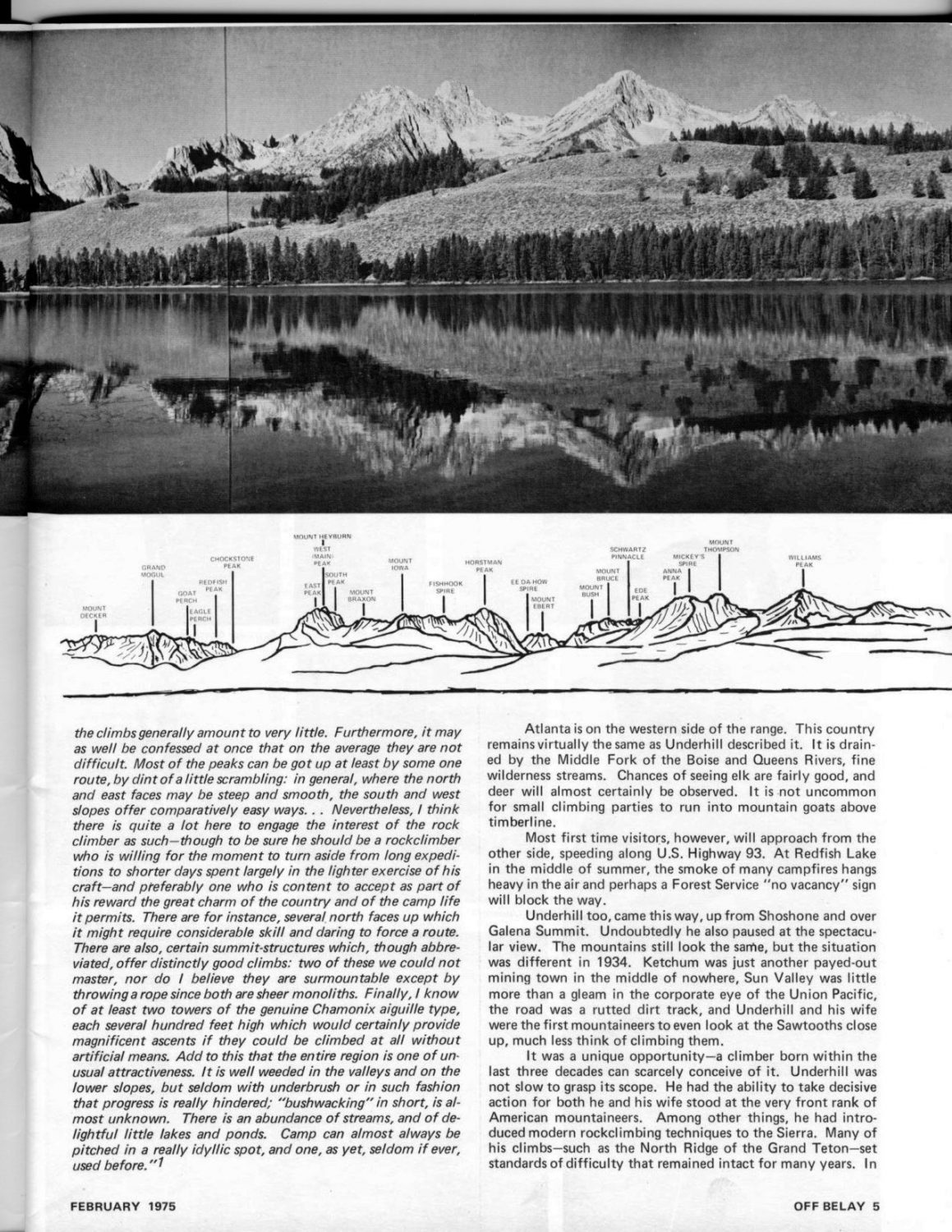
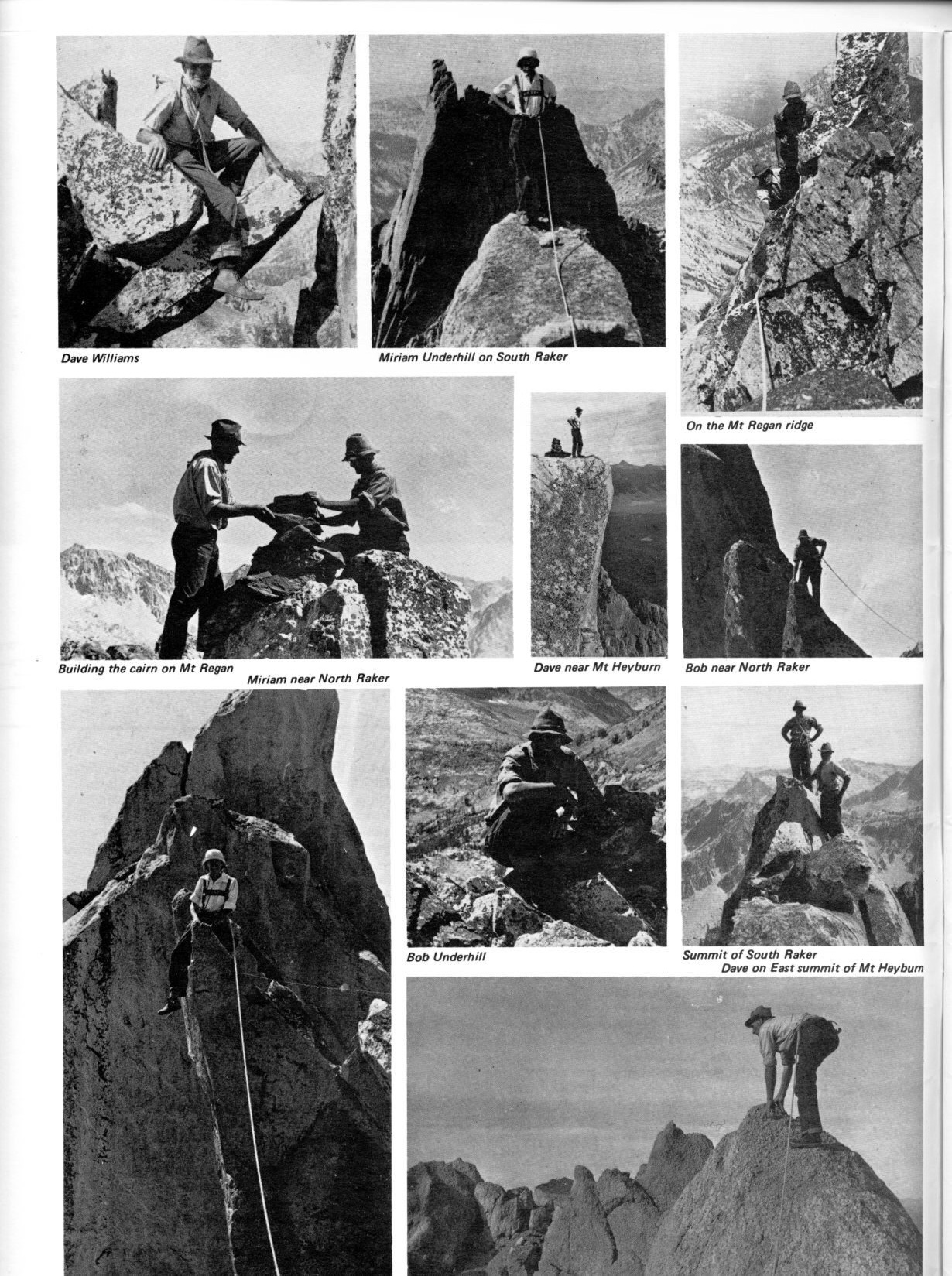
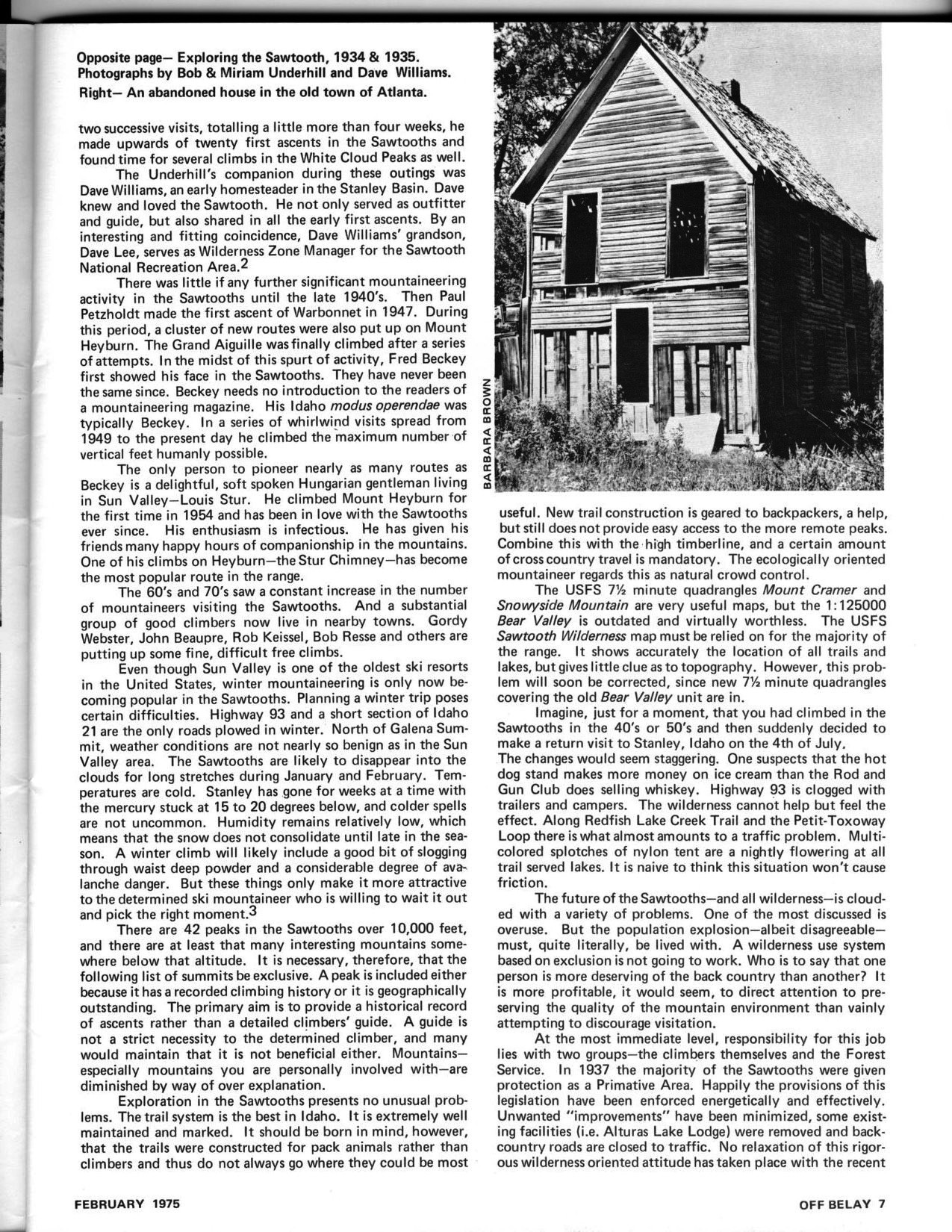
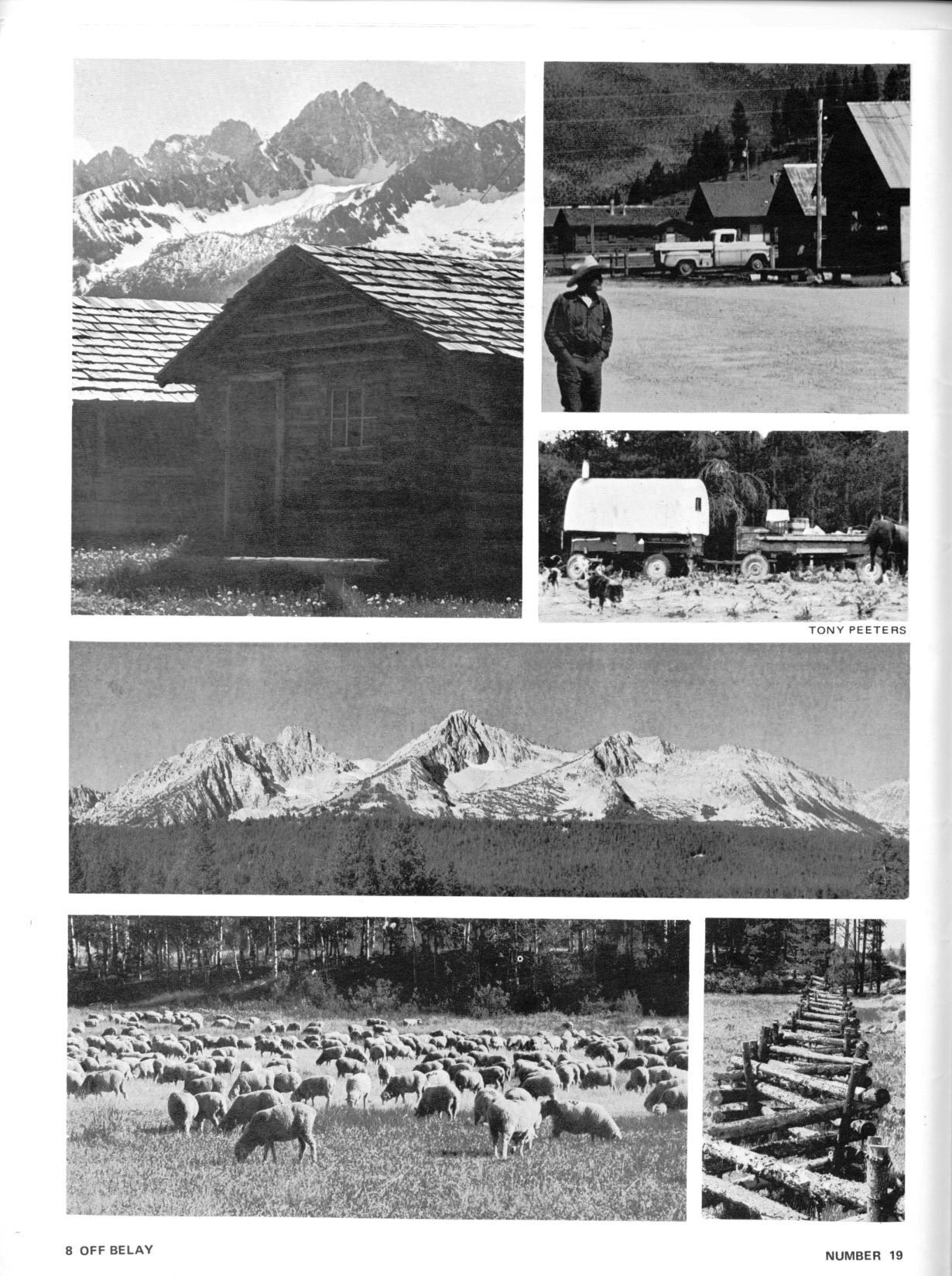
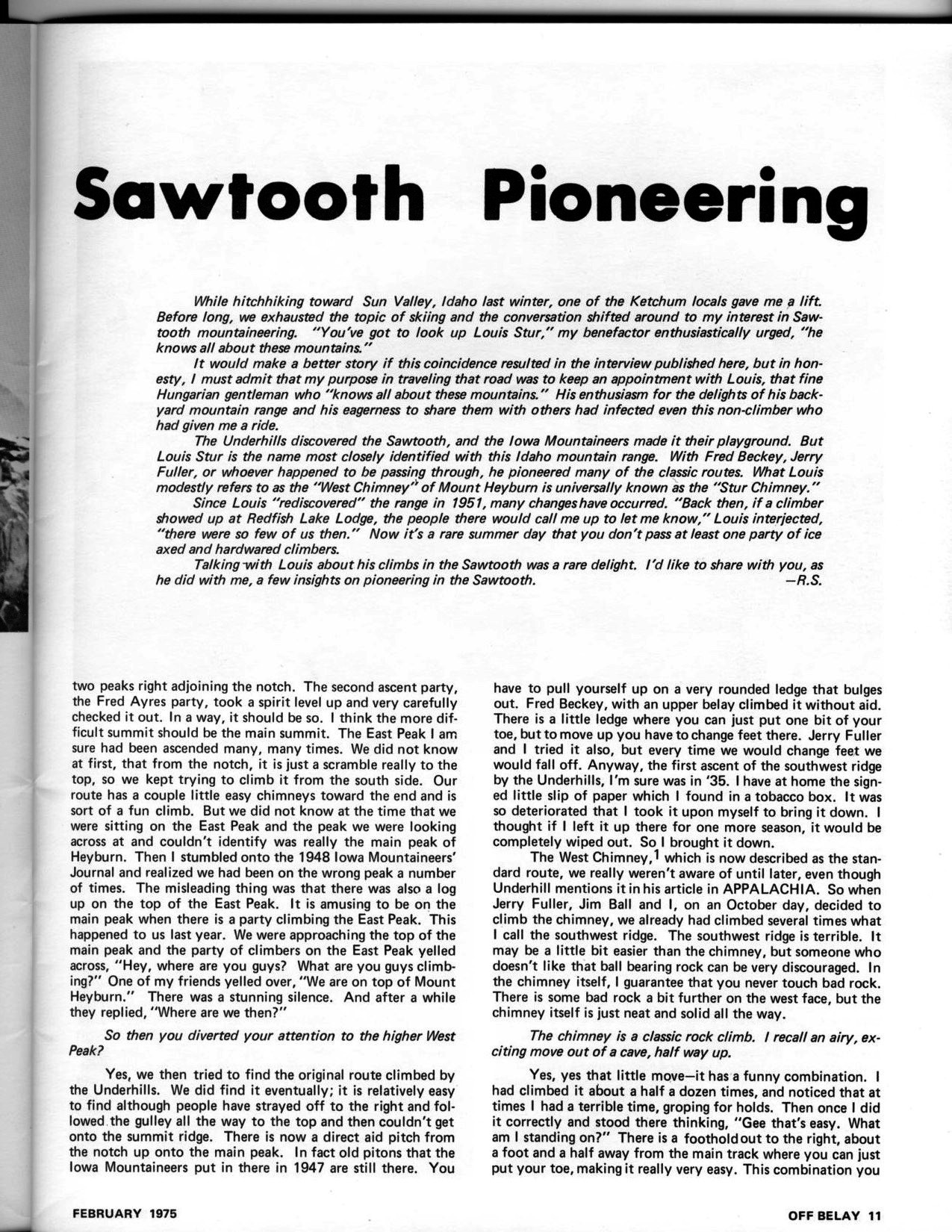
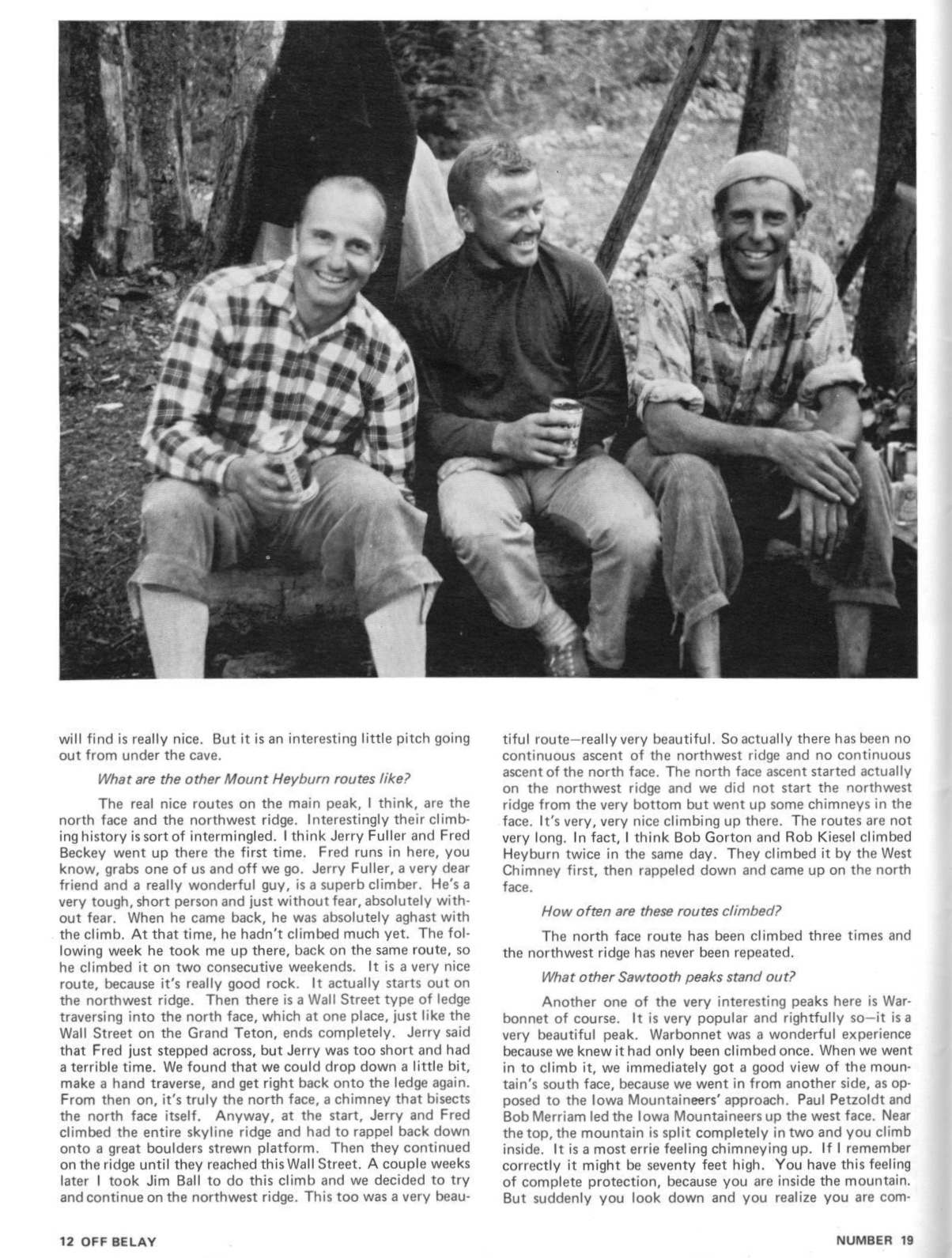
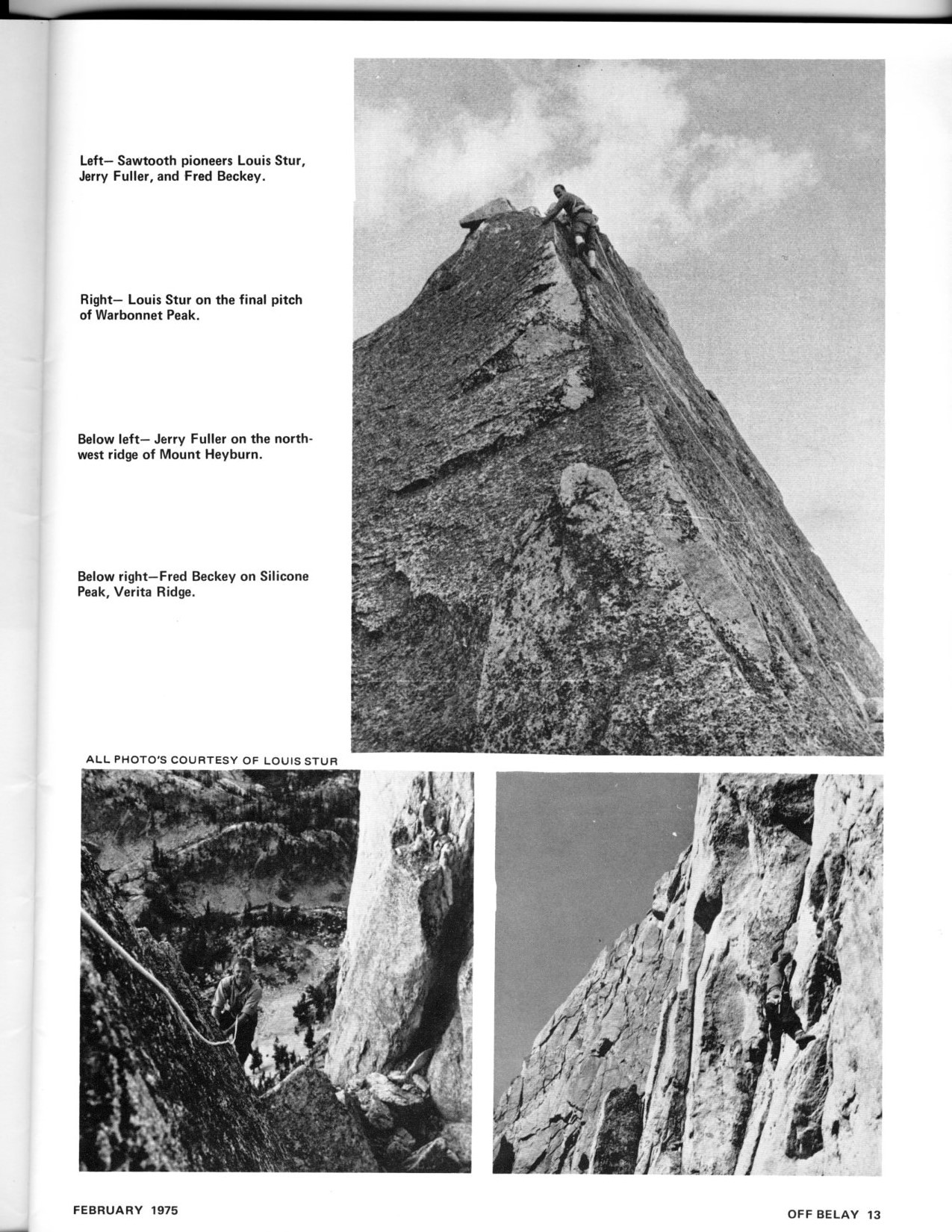
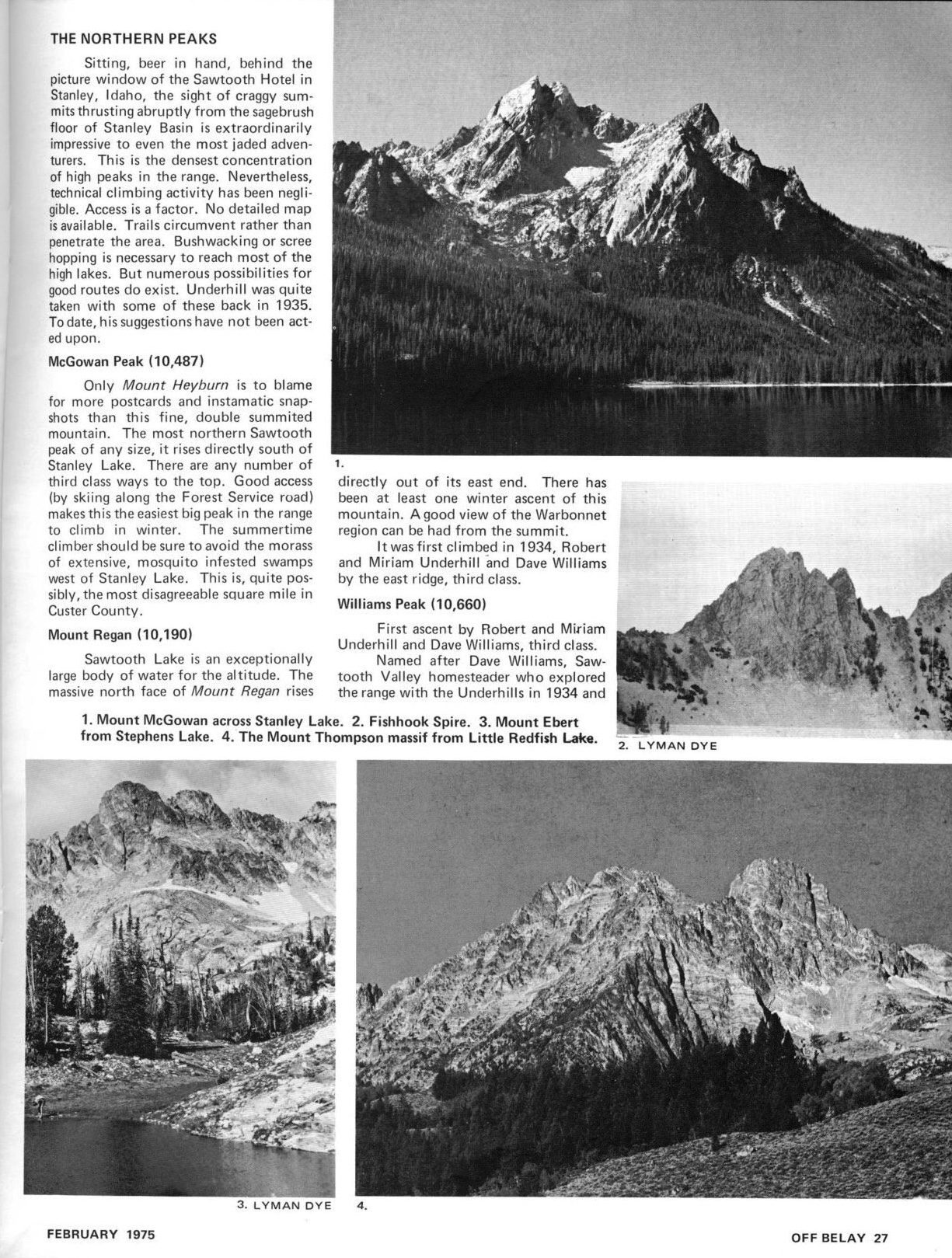
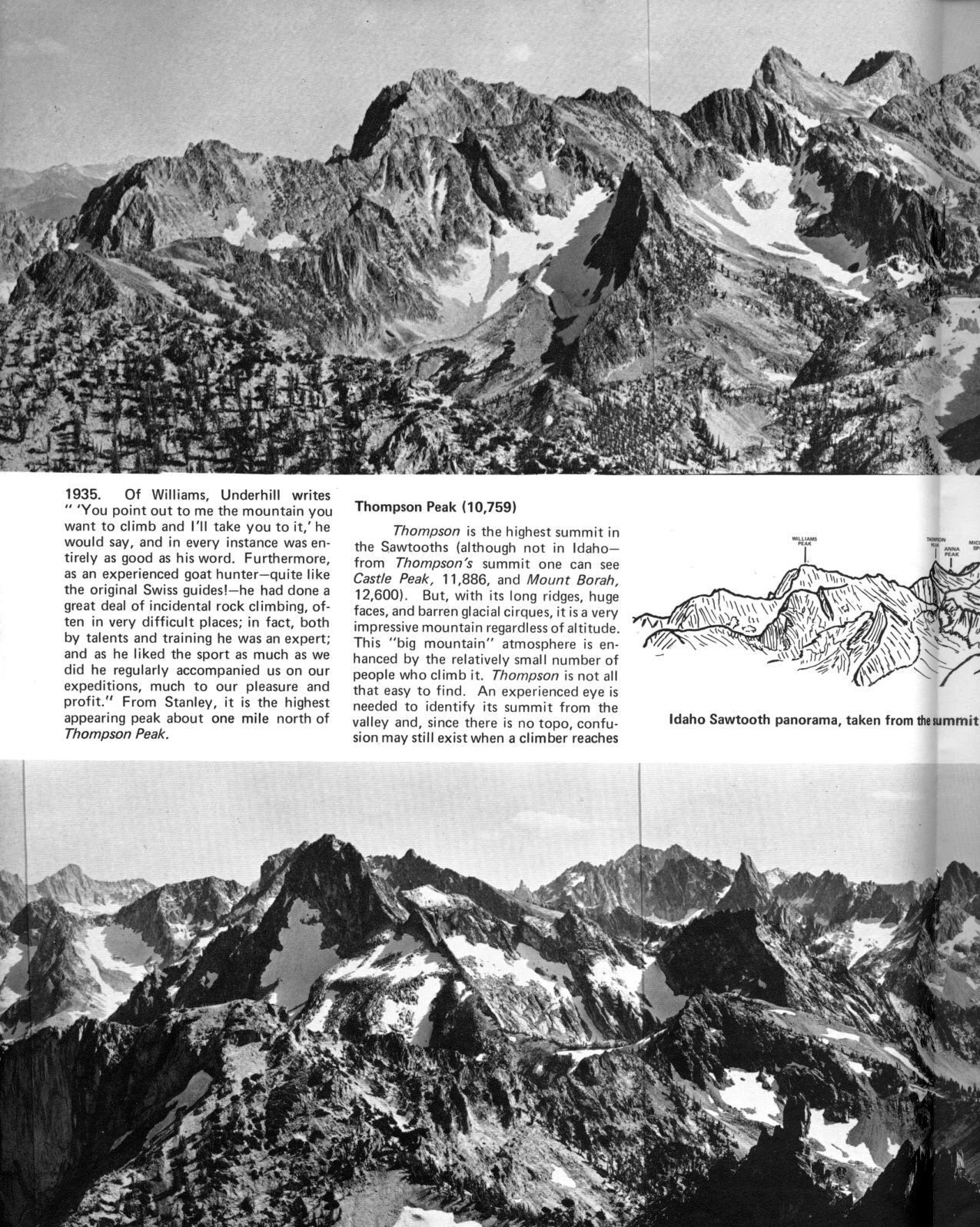
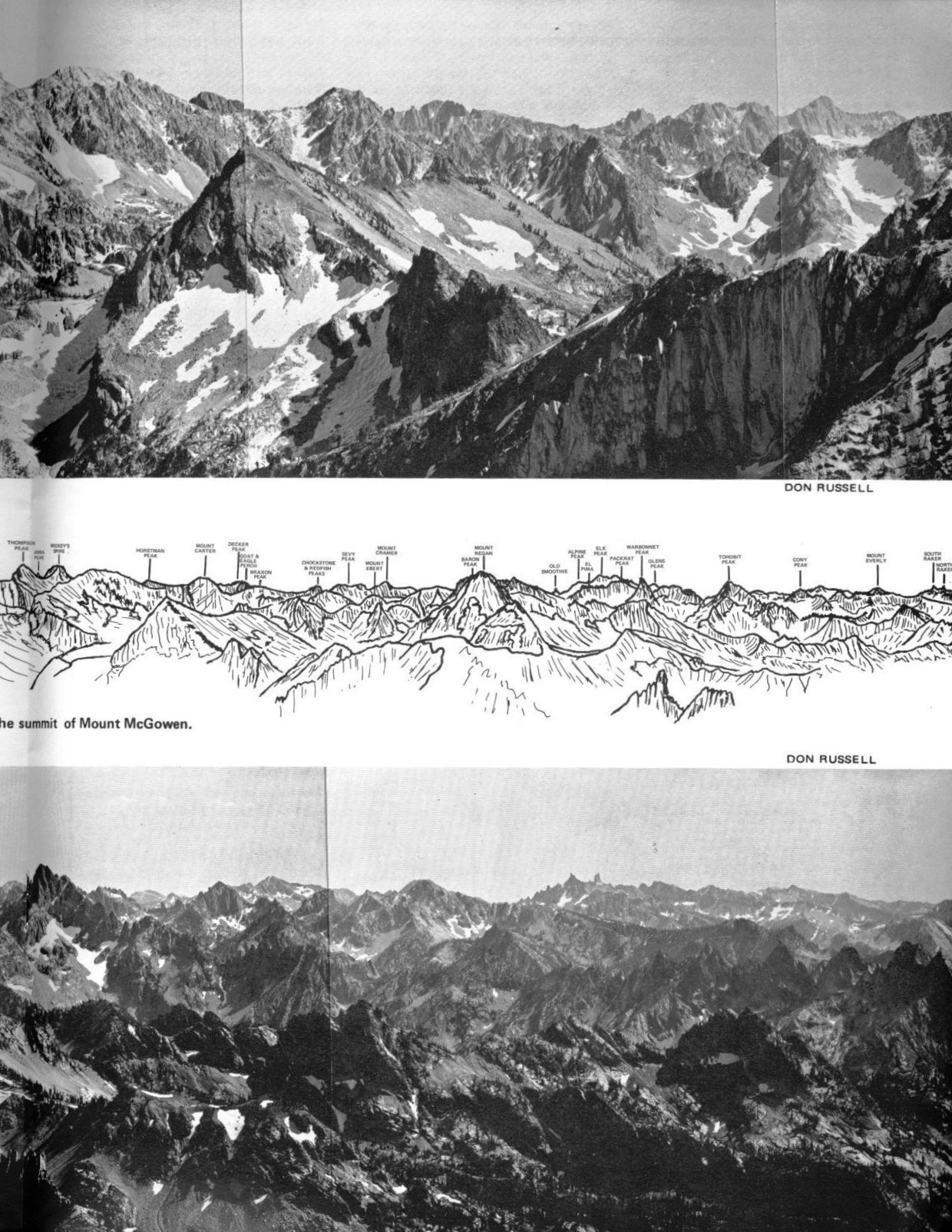
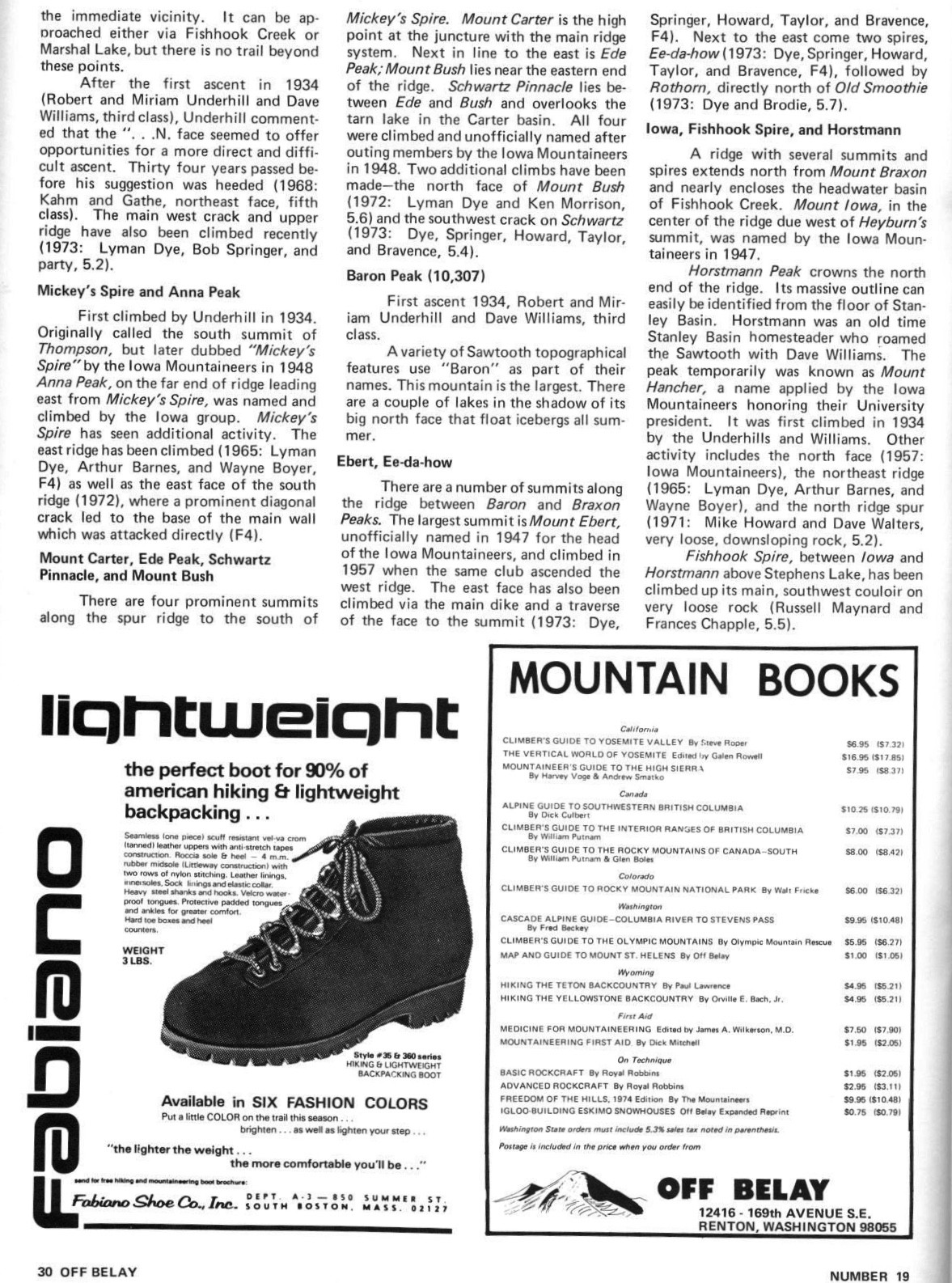
    Off Belay Magazine was THE climbing magazine of its day. The following articles contained the most extensive discussion of the Sawtooth Range yet published in 1975. Special thanks to Ray Brooks for providing the scans. (Click on the scans to enlarge)


  • The First Winter Ascent of Mount Regan

    The First Winter Ascent of Mount Regan

    The following newspaper article covers the first Winter ascent of Mount Regan. Joe Leonard has written an extensive account of this climb. See The Lost and Wandering to read Joe’s account which is an excerpt from his  2016 memoir The Son of Madam of the Mustang Ranch. Read more about Joe in the Contributors Section of this website.

    Click on the article for a larger version

  • Wayne Boyer

    Wayne Boyer

    Wayne Boyer was a compatriot of Lyman Dye and one of the founders of the EE DA HOW Mountaineers, an Eastern Idaho climbing club. Boyer, along with Dye and Art Barnes, climbed many difficult routes in Eastern Idaho including his first ascent of the East Face of Mount Borah in 1962.

    Wayne Boyer on the first ascent of Borah's east face in 1962. Lyman Dye Collection
    Wayne Boyer on the first ascent of Mount Borah’s East Face in 1962. Lyman Dye Collection
  • Bill March

    Bill March

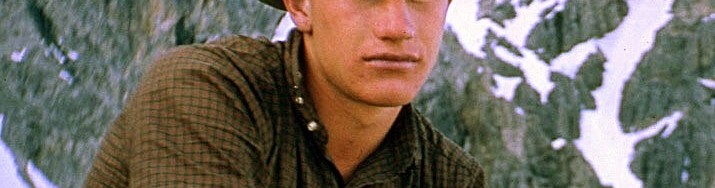
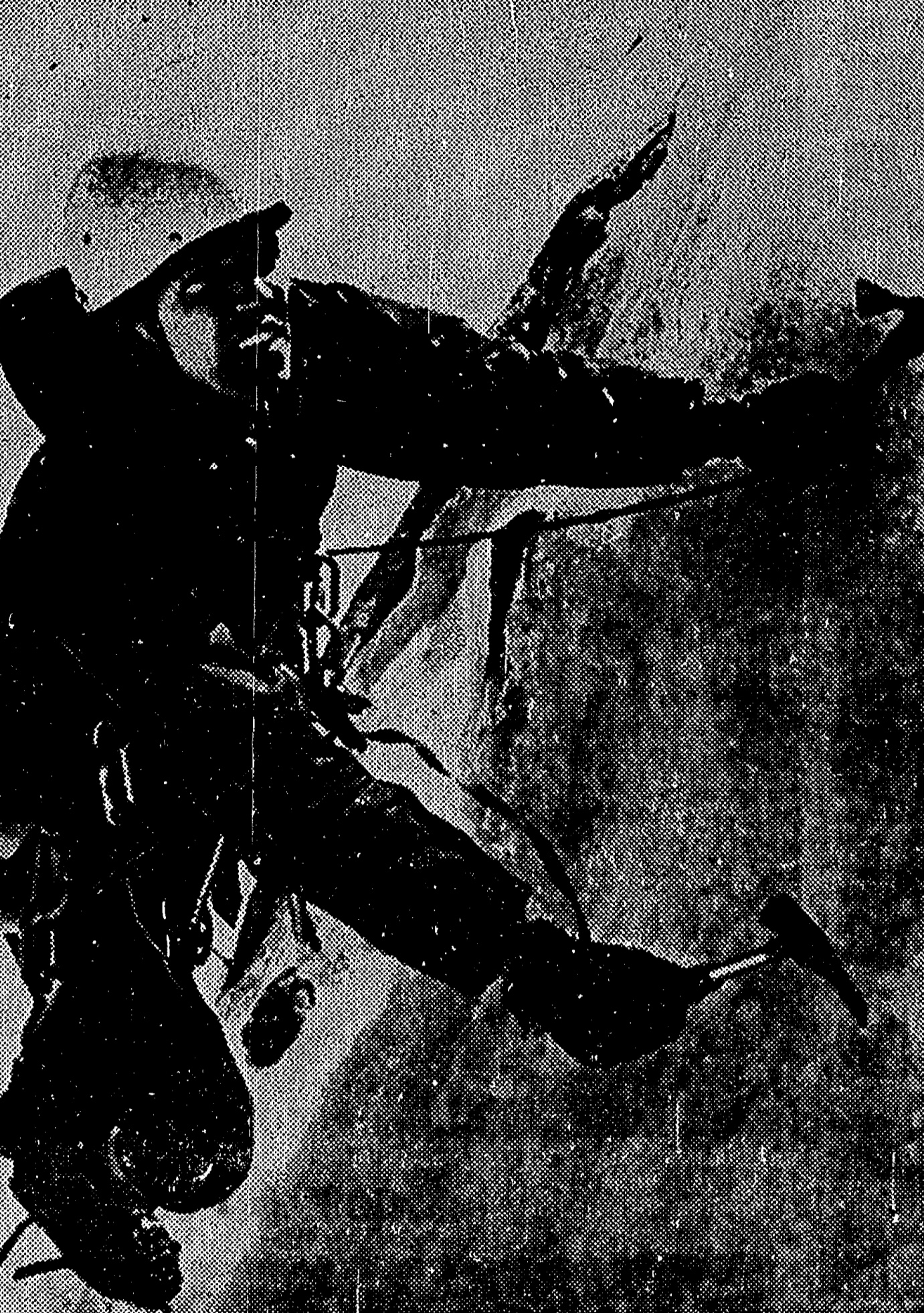
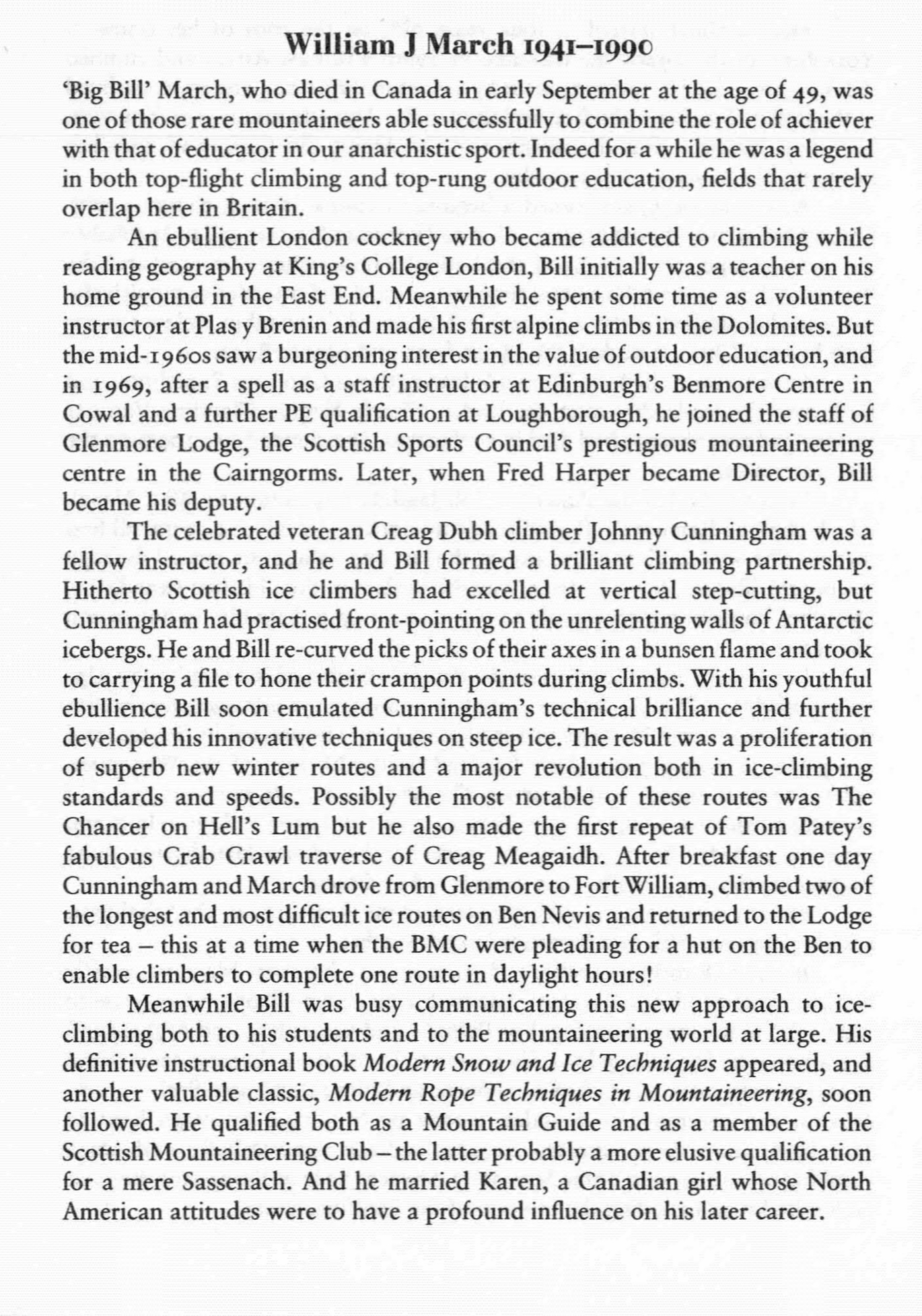
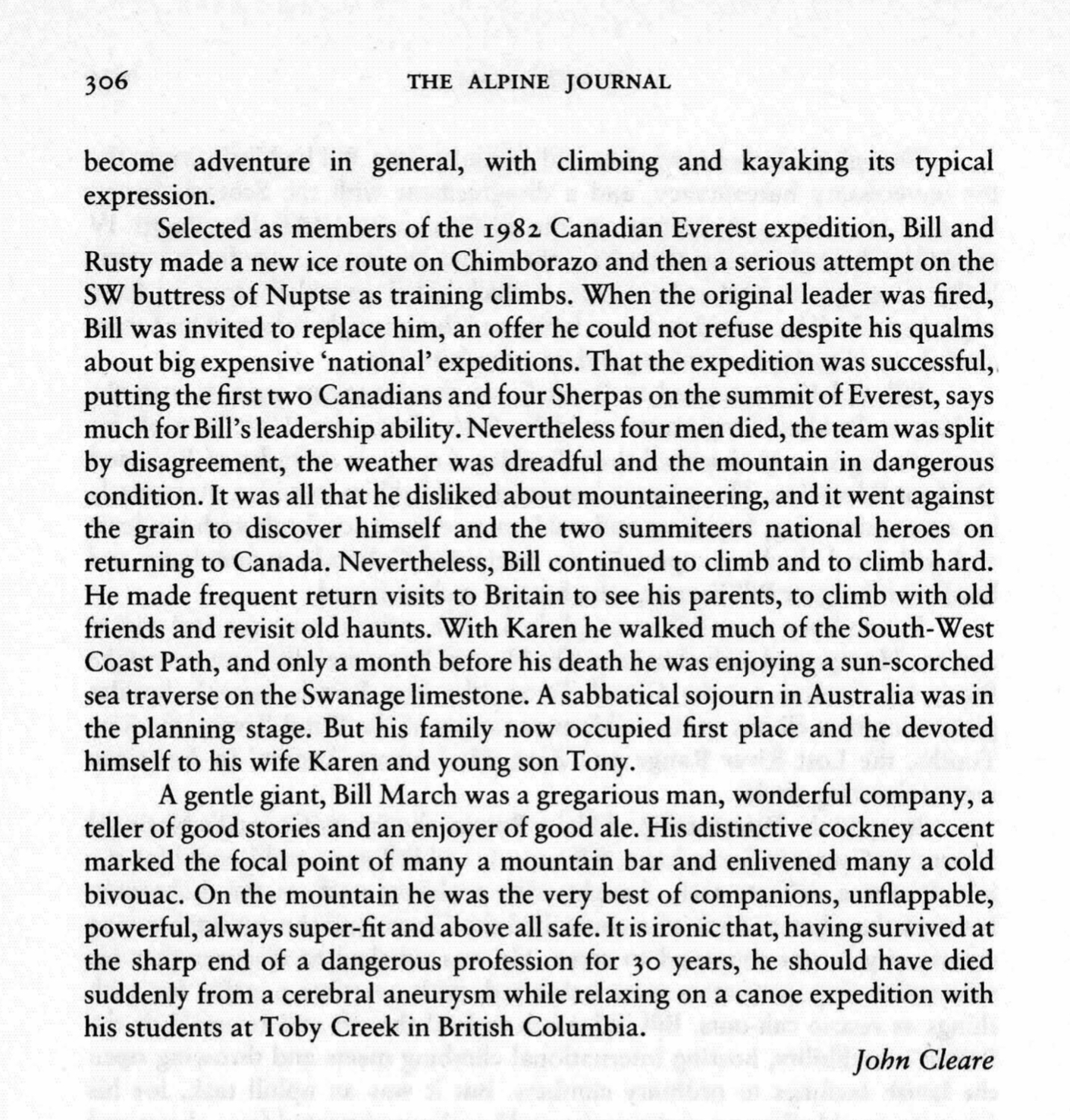
    Bill March was a British mountaineer and ice climber who, along with Rick Albano, is credited with the first Winter ascents of Leatherman Peak and White Cap Peak in 1975. He came to Idaho at the request of his friend Harrison “H” Hilbert and was associated with the Idaho State University Outdoor Program in the 1970s. The American Alpine Club has a brief biography which is worth a read. Click on the following link: Bill March

    —Idaho Statesman June 30, 1973

    The following Memoriam is from the British Alpine Club:


  • The Early Climbing History at Table Rock by Bob Boyles

    The Early Climbing History at Table Rock by Bob Boyles

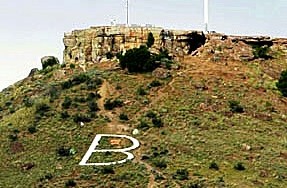
    For those who live in the vicinity of Boise, Table Rock is an unmistakable landmark rising up on the Northeast Side of town. The climbing history of its rock walls, which are graced by seemingly random bolt placements and the occasional chalk mark, is slowly disappearing as time passes and excavators mine the Northeast Corner for building materials. Table Rock, like the Black Cliffs, was a training ground for Boise climbers who took what they learned to the mountains where they established impressive routes like the North Face of Mount Breitenbach. Though the active rock quarry on the Northeast Side of the rock has changed the landscape considerably since the 1970s, climbing opportunities still exist on Table Rock.

    The silica-infused brown sandstone found in the foothills of the Boise Front is relatively rare in Southern Idaho. Formed by sediment from a large lake (Lake Idaho) and fused with silica from the hot springs that are found outside of Boise, the resulting cement hard rock made it a perfect place for Boise rock climbers to gather during the 1960s and 1970s. Bouldering short but difficult rock moves had become a legitimate form of rock climbing in the country during the 1960s when the legendary John Gill introduced gymnastic training to rock climbing moves.

    During that era, Table Rock quickly developed into what could best be described as Boise’s first outdoor climbing gym and meeting place. The low elevation of Table Rock offered year around opportunities and it was not uncommon to find climbers practicing there throughout the Winter. The climbing was not limited to the quarried rock found on the South Side of Tablerock. In less than a decade, all 4 sides of Tablerock were climbed extensively explored and climbed, including the large roofs that are found near the cross.

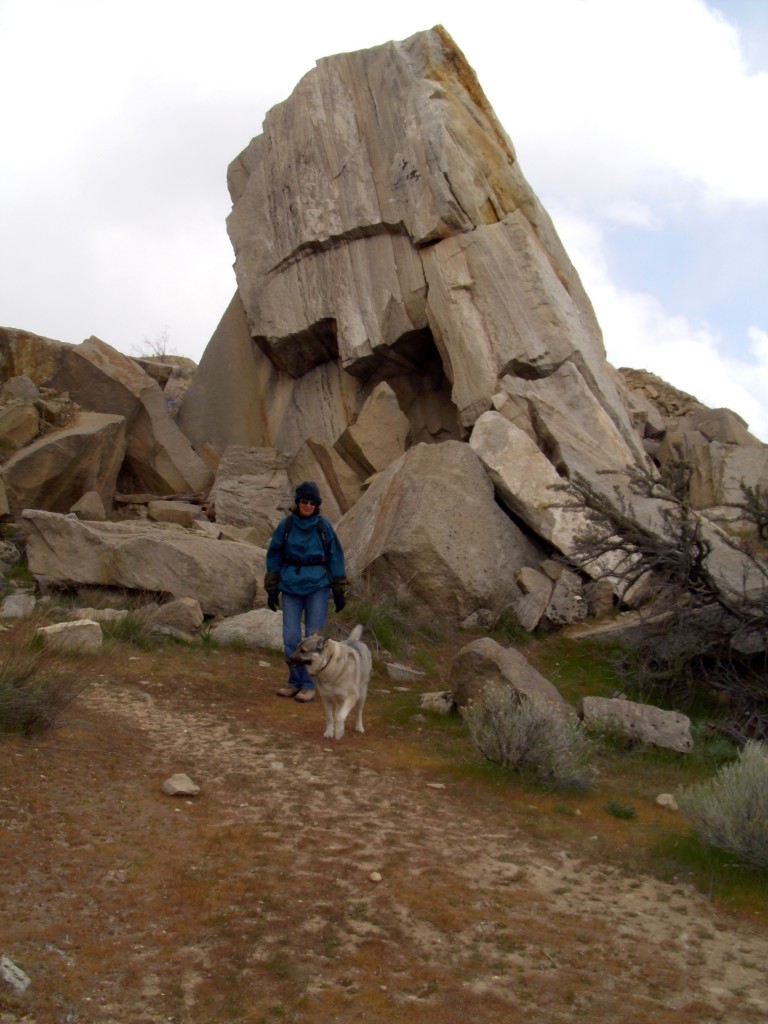
    Carol Boyles and Bob's beloved dog, Brit, at the quarry. Bob relates that "in 1963 he watched his brother do the first climb I ever witnessed at Tablerock on the big rock that stands behind us. He took off his shoes, climbed it barefoot, did a handstand on top, and then climbed back down." Bob Boyles Photo
    Carol Boyles and Bob’s beloved dog, Brit, at the quarry. Bob relates that “In 1963 he watched his brother do the first climb I ever witnessed at Table Rock on the big rock that stands behind us. He took off his shoes, climbed it barefoot, did a handstand on top and then climbed back down.” Bob Boyles Photo

    The South Side of Table Rock (the Quarry) offers clean, cleaved-off slabs of hard sandstone, left exposed from decades of quarrying. During the 1970s, this area became the hub of local climbing activity. Unroped bouldering was the main activity but it was not uncommon to see some climbers practicing aid climbing or rappelling. Crash pads were unknown at that time with the exception of a small patch of carpet that might have been left behind for wiping sand from your soles on a wet day. Spotting a partner was a given and it helped to know there was a “mosh” landing on some risky moves. Where it was safe, cat-like jumps were perfected if one fell off a boulder but they didn’t always work. I know that a few of us went home early with sore knees or a sprained ankle. This “climb or fall” technique also provided great motivation for one to perfect the moves on the taller, riskier boulders. Like modern day sport and gym climbing, the Quarry provided us a place to practice extremely hard climbing moves without the distraction of high exposure or the risk of a big fall.

    Frank Florence, co-founder of Sawtooth Mountaineering describes it like this:
    “I think that the spirit of the Boise climbing community of the 1970s was special. It was a fairly small group of people, a tight enough circle that we all knew one another to some degree. And there was real talent there. Local climbers who pretty much started from scratch, like Tom McLeod and Charlie Crist, as well as young Turks, like yourself [Bob Boyles] and Mike [Weber]. Then there were the “externals,” guys who had some experience climbing elsewhere that they could bring to their efforts around Boise. Dan McHale, the Rozells and Bob Jahn are good examples. I might have taught you a few things about ropes and knots but they were the exemplars when it came to pushing abilities and standards. We all learned from them and that sharing of experience, talent, and knowledge was critical for every one of us and led us to wonder if we couldn’t take it a little further. I don’t want to over-romanticize the times, but it’s fair to say that our climbing scene had elements in common with the camaraderie and positive competition found in British pubs and Camp 4 in the same decade.”

    Interviewed in 1975 by the Idaho Statesman, Florence who, at the time, conducted Boise‘s only regularly scheduled climbing classes noted: “The 30-40 foot walls at Table Rock serve as a “sort of nursery” for beginning climbers. The convenient old quarry contains plenty of sandstone for bouldering difficult but close-to-the-ground maneuvering.”

    During the 1980s, a new generation of younger climbers including Ted Thompson and Pete Takeda were climbing at Table Rock. For 4 years, Curt Olson (the founder of High Country Sports in downtown Boise) sponsored what was the first semi-pro bouldering competition in the United States at Table Rock. The competition attracted a young Todd Skinner who is considered one of first proponents of modern sport climbing and top climbers of his generation.

    The Quarry stayed an active place for climbing through the early 1990s when the mid-section of the quarry was sold to a local company and opened to rock mining after sitting idle since 1940. The Table Rock sandstone had always been prized as a building material and no doubt, the extraction of rock generated economic benefit to those who owned the mineral rights.

    The sandstone can now be found in some of the valley’s most expensive homes and at the entrance to upscale developments where it’s used as billboards to announce the name of the subdivision. Local climbers, a loose knit group at best, rallied for a while to save the old quarry, but lacking any kind of formal organization, their voices weren’t loud enough to raise any local activism. Economics won out and rock climbing at the Quarry has never been the same.

    Tablerock
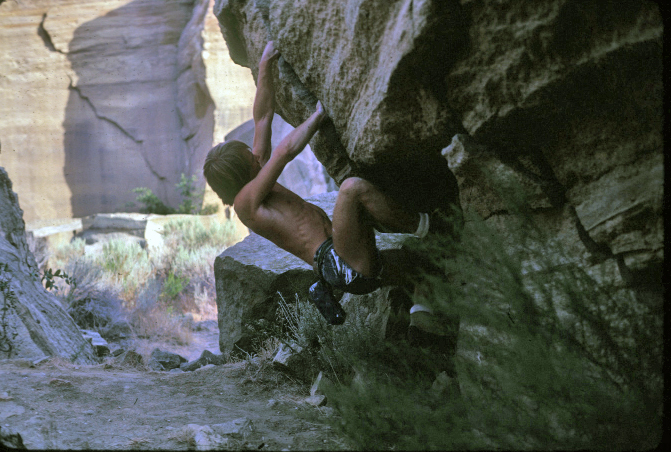
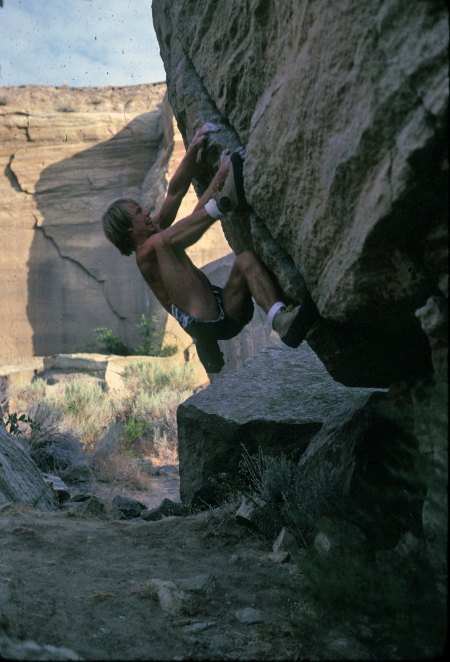
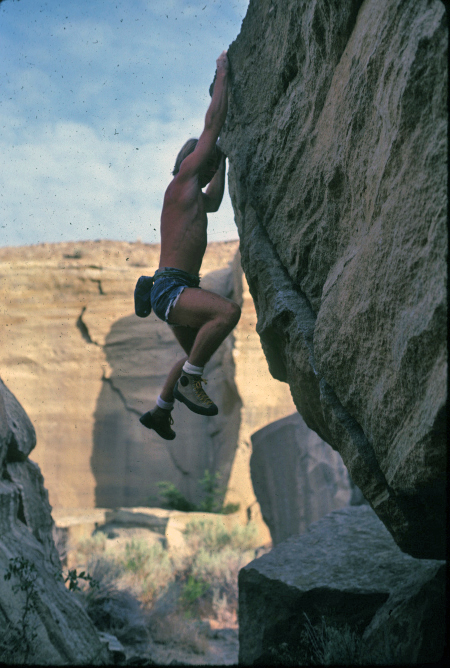
    This climb is now half-buried in dirt. But back then, it was a challenging problem. Here Tom McLeod is starting at ground level (these days, subterranean). John Platt Photo
    Tablerock
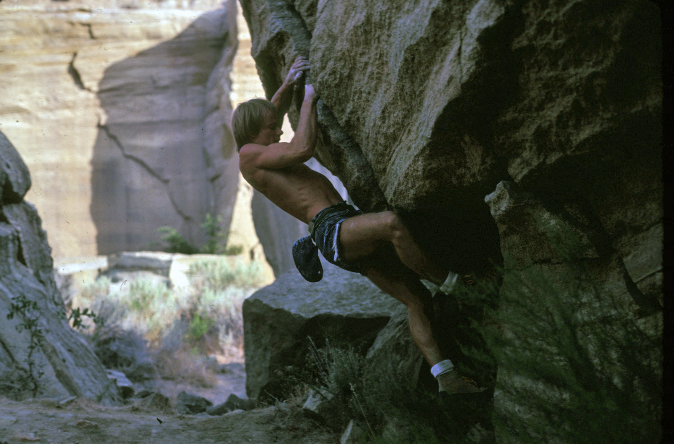
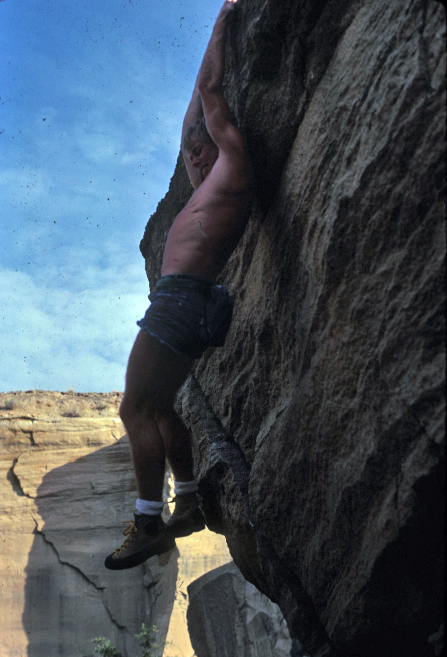
    Moving around the overhang. John Platt Photo
    He better be wearing underwear. John Platt Photo
    He better be wearing underwear. John Platt Photo
    Tablerock
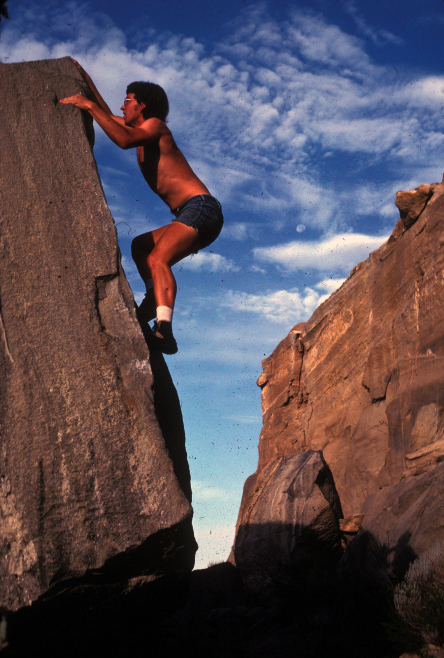
    He’s got the top and the mantel is easy. John Platt Photo
    Tablerock
    But no, he’s not done yet. There followed several more pirouettes past the camera before dropping to the ground. John Platt Photo


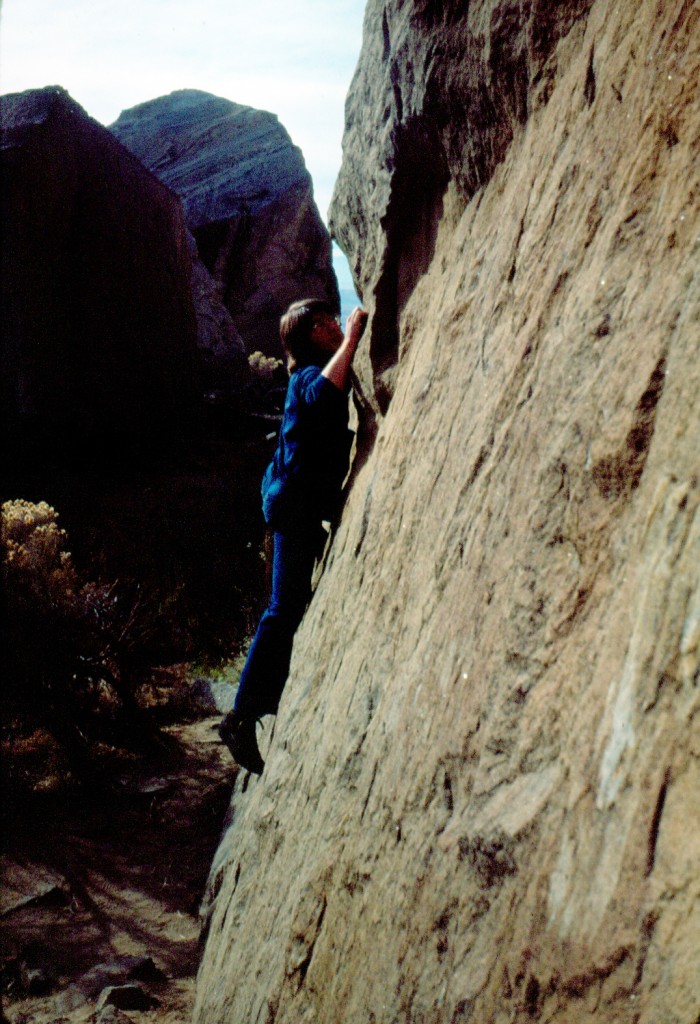
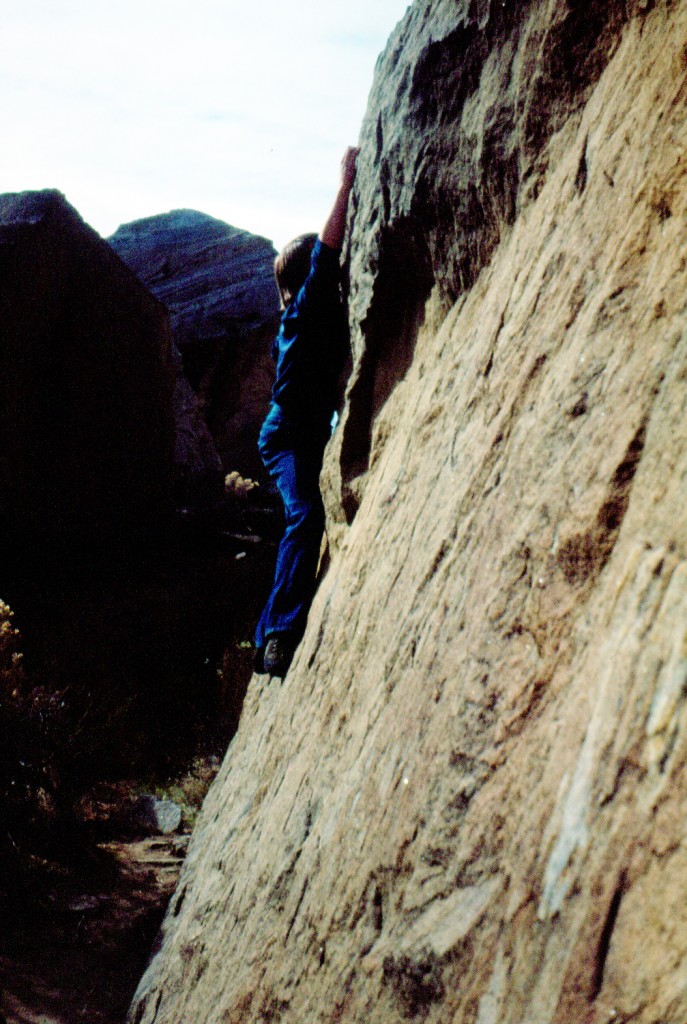
    Bob working a classic mid-cliff slab in blue jeans and Fabiano Directisma “blue boots” as we called them. They were totally rigid from heel to toe making them terrible for walking, but they worked perfectly on the tiny nicks and chips in the quarried rock. Mike Weber Photo
    Bob Boyles working a classic mid-cliff slab in blue jeans and Fabiano Directisma “blue boots” as we called them. They were totally rigid from heel to toe making them terrible for walking, but they worked perfectly on the tiny nicks and chips in the quarried rock. Mike Weber Photo
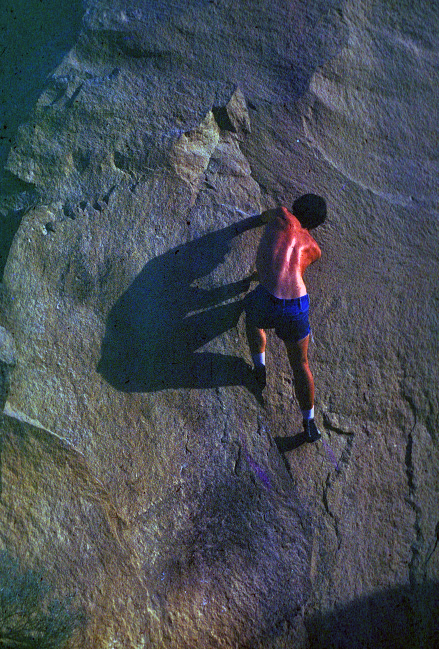
    Bob stretching through the crux moves. Mike Weber Photo
    Bob stretching through the crux moves. Mike Weber Photo
    A young John Platt working the sharp edge of a classic mid-cliff Tablerock boulder. Tom Lopez
    A young John Platt working the sharp edge of a classic mid-cliff Table Rock boulder. John Platt Photo
    John at work on the “Layback Crack”.
    John at work on the “Layback Crack.” John Platt Photo
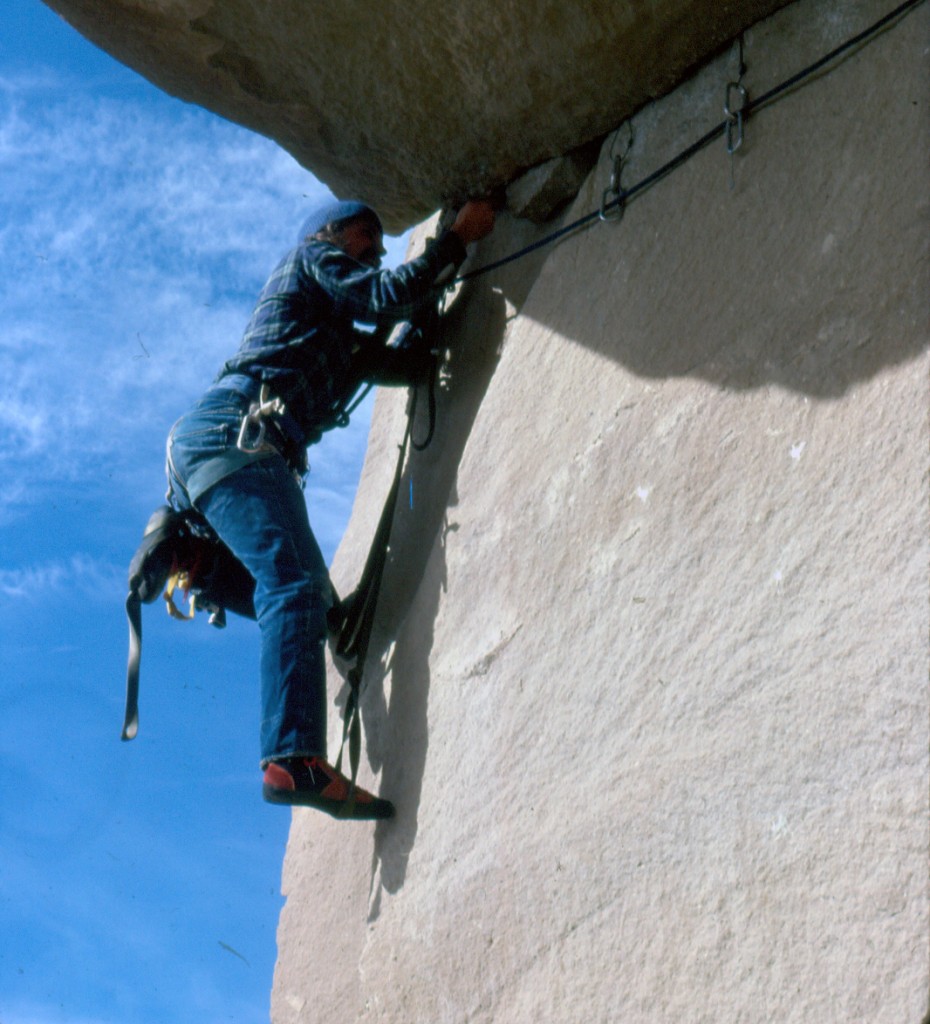
    Mike Weber doing a “clean” aid ascent of the “Roof” using only hexes and stoppers.
    Mike Weber doing a “clean” aid ascent of the “Roof” using only hexes and stoppers. Bob Boyles Photo
    Tablerock
    Mike resting before rounding the edge of the big roof. Bob Boyles Photo
    Tablerock
    Mike stepping out of his etrier and going free. Bob Boyles Photo

    Also see John Platt’s page.